Zach Cregger Addresses the Backlash Surrounding Resident Evil
The director discusses why focusing on game accuracy over artistic vision created a frustrating experience.
The Challenges of Adaptation and Audience Expectations
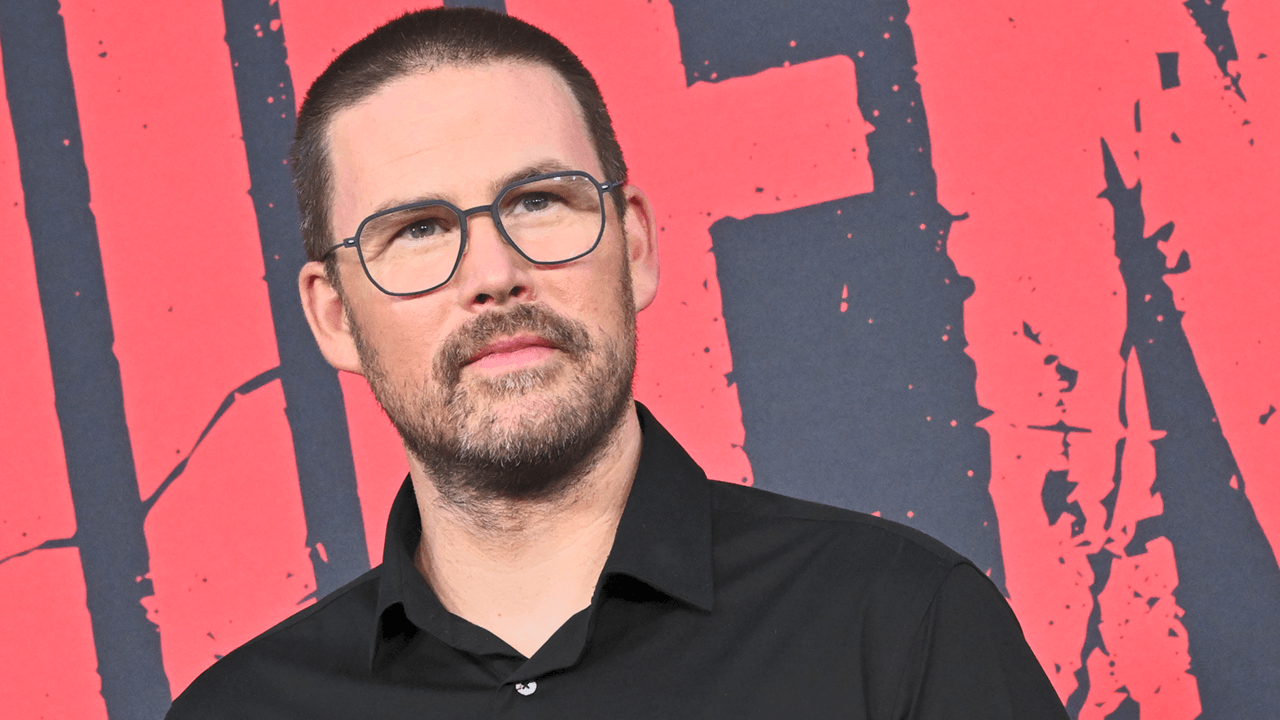
Renowned director Zach Cregger, known for horror hits like Barbarian and Weapons, has reflected on the period leading up to the premiere of his latest project, Resident Evil. The director admits that the public discourse surrounding the film was deeply discouraging. According to Cregger, much of the criticism bypassed the film's artistic merit, focusing instead on how accurately the work mirrored the narrative lines of the original Capcom games.
Why the Discussion Was Unproductive
Cregger explained that fan dissatisfaction largely centered on details such as the absence of specific characters, visual elements like snow in Raccoon City, or the inclusion of smartphones. The director noted that he made these changes intentionally to improve the film’s quality, yet this failed to appease fans who expected a frame-by-frame copy of the game. "I hoped the audience would view the film as an independent work, but it turned out the conversation was only about what was 'wrong' compared to the original," the director stated.
Financial Success and Future Plans
Despite the negative buzz prior to its release, Resident Evil ultimately achieved significant success. With a budget of $75 million, the film grossed over $400 million worldwide and received positive reviews from critics, including an 8/10 score from IGN. While the director says he is proud of the result, the process served as a valuable lesson.
What Lies Ahead for the Director?
Zach Cregger noted that he is less interested in adapting existing intellectual properties (IP) in the future, as the pressure associated with such projects is exhausting. He is currently working on an original sci-fi thriller titled The Flood, which will star Jennifer Lawrence. The film is scheduled for release on 11 August 2028. Regarding a potential Resident Evil sequel, while the director has ideas, he remains cautious, adhering to the principle of "never say never."