XCMG Unveils Fully Autonomous, Cabless Electric Truck
The SDA411 concept aims to revolutionise port and terminal logistics through L4 autonomous technology.
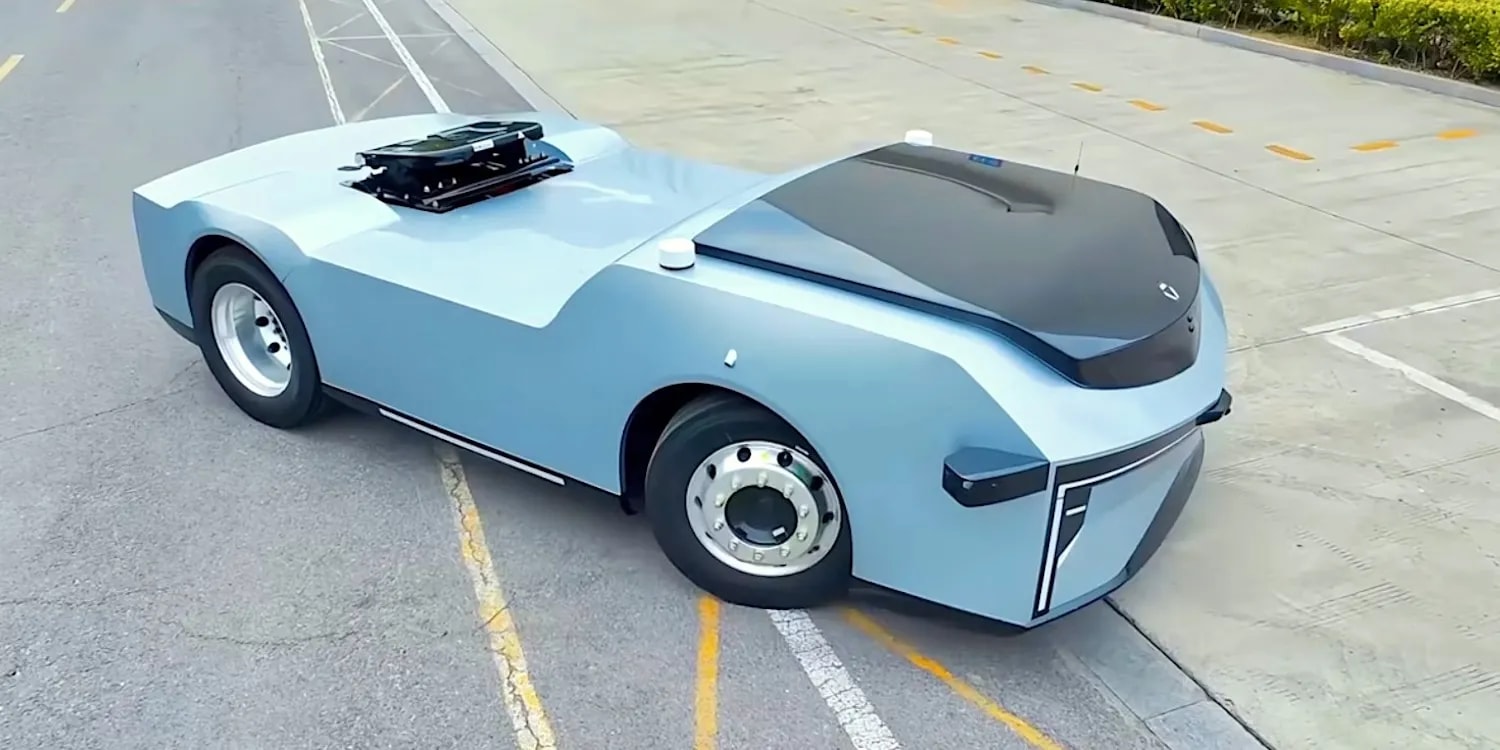
The logistics sector is entering a new technological phase. Chinese heavy machinery giant XCMG has unveiled its latest project, the SDA411—a fully electric, cabless autonomous truck specifically designed for transporting cargo within ports and terminals.## Technology for Unmanned LogisticsThe SDA411 is equipped with an L4 autonomous driving system, meaning the vehicle can navigate, identify obstacles, perform tasks, and park without human intervention. According to the company, the truck features a 360-degree vision system, allowing it to operate efficiently in busy environments where machinery and people work in close proximity.Terminal trucks, often referred to as "yard dogs," are ideal candidates for electrification. Their operation is characterized by low speeds, high torque, and short-distance travel. The quiet, vibration-free operation of an electric motor provides an optimal solution for this type of work.## Labor Shortages and AutomationLabor shortages in the industrial sector are a global issue. Despite high wages, younger generations are showing less interest in driving heavy trucks, and the retirement of experienced drivers is exacerbating the crisis. Autonomous machinery like the SDA411 is seen as one way to address this problem.It is important to note that automation does not necessarily mean the complete replacement of human labor. On the contrary, such systems could allow drivers to transition into supervisory roles, where they can monitor multiple autonomous units simultaneously. This approach makes the workflow safer and more efficient while allowing people to remain in the industry for longer.## What Does the Future Hold?Although the SDA411 is currently at the conceptual stage, XCMG is actively working on its practical implementation. Video footage shows the truck autonomously manoeuvring around the company's premises and stopping at charging stations. However, the charging process still requires human assistance, indicating that the technology has further steps to take before reaching perfection.For countries like Georgia, which places significant focus on the development of transport corridors, the emergence of such technology is an interesting signal. The automation of ports and logistics centres may become an integral part of the industry in the coming years. However, market competition and the cost optimisation of such systems will remain the deciding factors.