xAI Tackles Energy Shortage With Converted Jet Engines
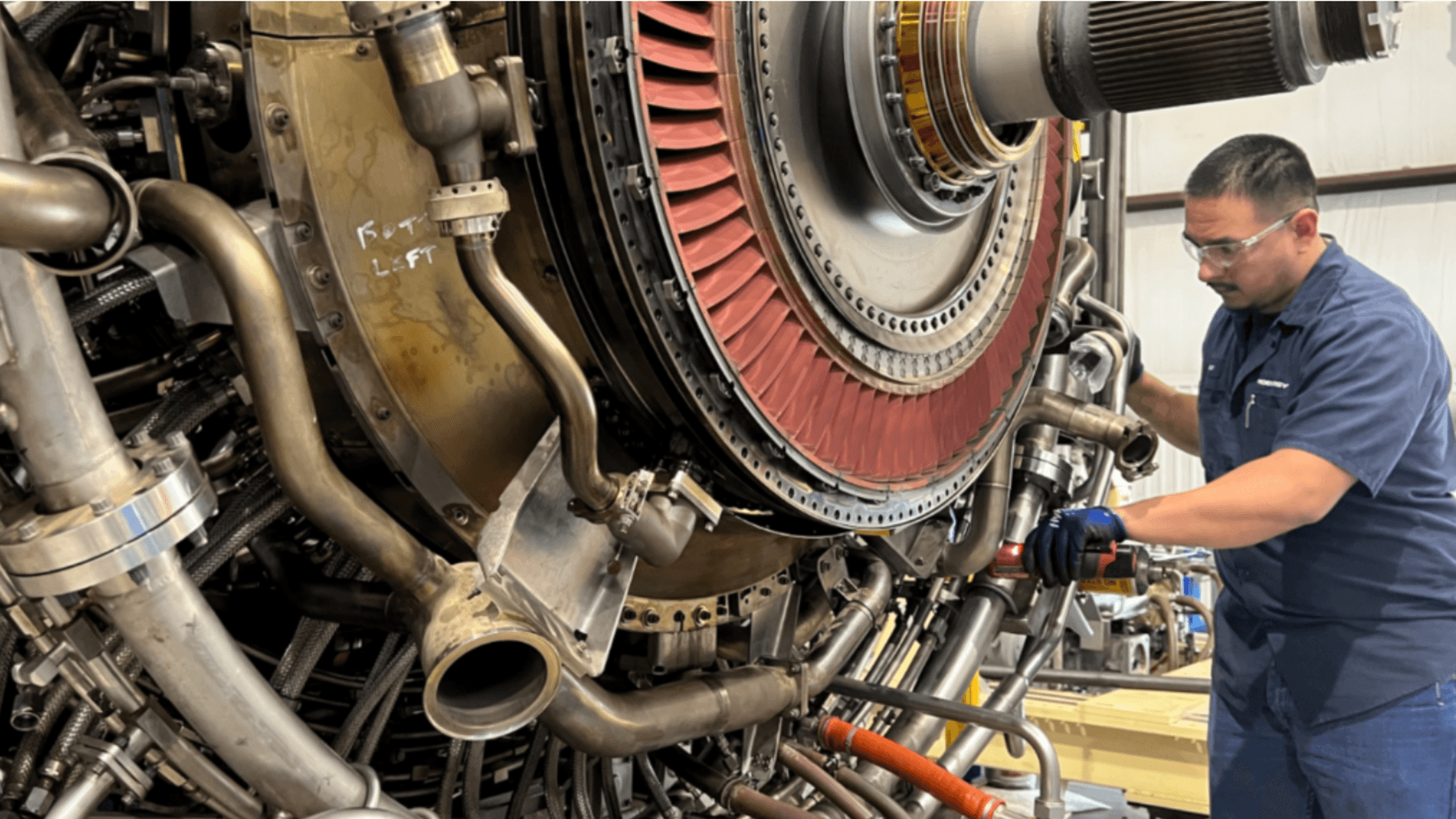
The rapid expansion of artificial intelligence and data centres has triggered a significant energy crisis. As traditional power grids struggle to keep pace with soaring demand, technology giants are increasingly turning to unconventional and often controversial solutions. Elon Musk’s xAI has installed eight converted jet engines at its Mississippi data centre, which powers the Colossus 2 computing complex. ## Aviation Technology in Energy This unusual initiative is led by Missouri-based company ProEnergy. They transform retired General Electric aviation engines into stationary power generators. Each turbine is capable of producing approximately 50 megawatts of electricity, enough to power roughly 15,000 homes. For tech companies, this approach is highly efficient; connecting a data centre to the traditional power grid can often take years. According to analysts at Rystad Energy, this method allows a data centre to become fully operational within 24 months, whereas grid connection procedures can take up to seven years. ## Environmental Concerns and Challenges While this strategy addresses the immediate power deficit, it raises serious environmental questions. Mississippi regulators have granted xAI permission to operate the turbines, albeit with specific conditions regarding emission standards. Local environmental groups, including the Southern Environmental Law Center, have protested the decision, citing concerns over increased emissions of carbon monoxide and formaldehyde. This is not the first time xAI’s operations have sparked environmental controversy. Musk’s plans remain ambitious, with the company aiming to increase its computing capacity sevenfold by the end of 2027. However, electricity shortages in the data centre sector have become a primary bottleneck. Statistics indicate that more than half of the data centres planned for April 2026 have been stalled or delayed due to a lack of available power. Other industry giants, including OpenAI and Microsoft, are facing similar hurdles. Until energy infrastructure catches up with technological progress, such improvised solutions are likely to become increasingly common.