xAI Legal Battle: Tensions Mount Over Memphis Data Centre
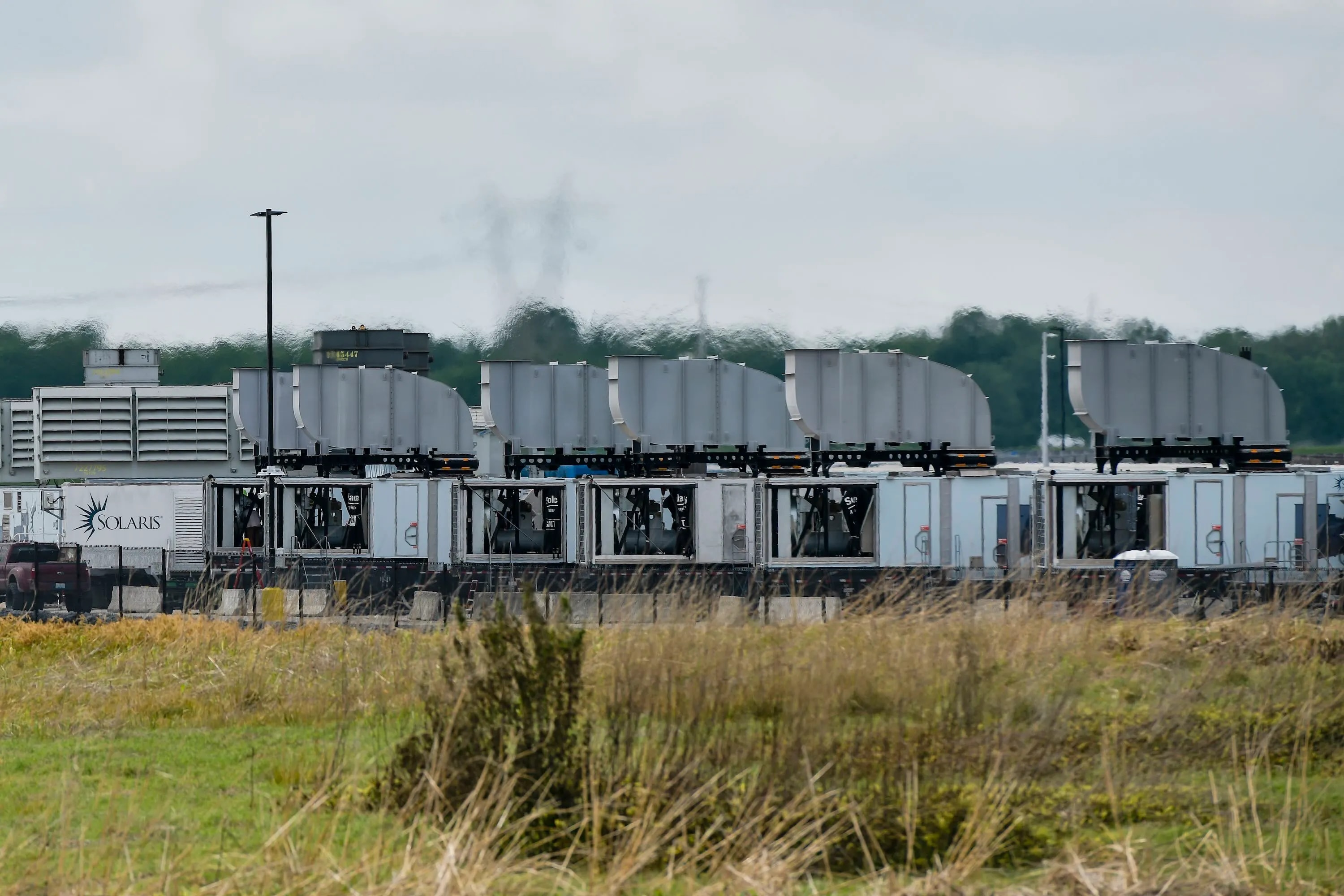
The legal landscape is becoming increasingly complex for xAI. Federal Judge Debra M. Brown has denied the company's motion to dismiss a lawsuit filed by the NAACP. The case centres on Colossus, xAI’s data centre located in the suburbs of Memphis, which serves as the training hub for the company’s generative artificial intelligence models.
Environmental Standards and Disputed Turbines
According to the lawsuit, xAI installed and began operating at least 35 combustion turbines at the Colossus facility without obtaining the necessary permits for air pollution control. The plaintiffs argue that the company has violated the Clean Air Act, posing a significant threat to the health of local residents. In its defence, xAI maintained that the turbines should be classified as "mobile sources," which would exempt them from standard permitting requirements.
Judge Brown rejected the company’s arguments. In her ruling, she clarified that the turbines cannot be classified as mobile sources and affirmed that the NAACP has the legal standing to sue over alleged violations of environmental law. Furthermore, the court dismissed xAI’s claim that such civil lawsuits are unconstitutional.
The Data Centre Crisis
This dispute is not an isolated incident. Public sentiment regarding data centres has shifted sharply worldwide in recent months. Large-scale server farms consume vast amounts of energy and often exert a significant impact on the environment. For instance, New York State has already imposed a moratorium on the construction of new data centres, while other regions are considering similar restrictions.
Facing this mounting pressure, tech giants such as Amazon and Microsoft have been forced to adjust their policies, moving away from non-disclosure agreements (NDAs) with government agencies to increase transparency regarding their data centre operations. Abre' Conner, a representative for the NAACP, hailed the court’s decision as a "major victory," stressing that no company, regardless of its influence, has the right to disregard environmental regulations.
Implications for the Tech Sector
The xAI case serves as a reminder that the development of artificial intelligence extends far beyond the refinement of algorithms. It requires immense infrastructural resources that must be managed within strict legal frameworks. Such disputes are likely to become more frequent in the future, compelling companies to invest more heavily in environmentally friendly technologies.
For users in Georgia, this news is significant as it highlights how the corporate social responsibility of global tech firms is now increasingly focused on sustainability. It appears that the "golden age" of artificial intelligence is no longer sustainable without the rigorous enforcement of environmental standards.