xAI Faces Legal Battle Over Environmental Violations in Memphis
A federal judge has rejected the company's motion to dismiss a lawsuit regarding its data center.
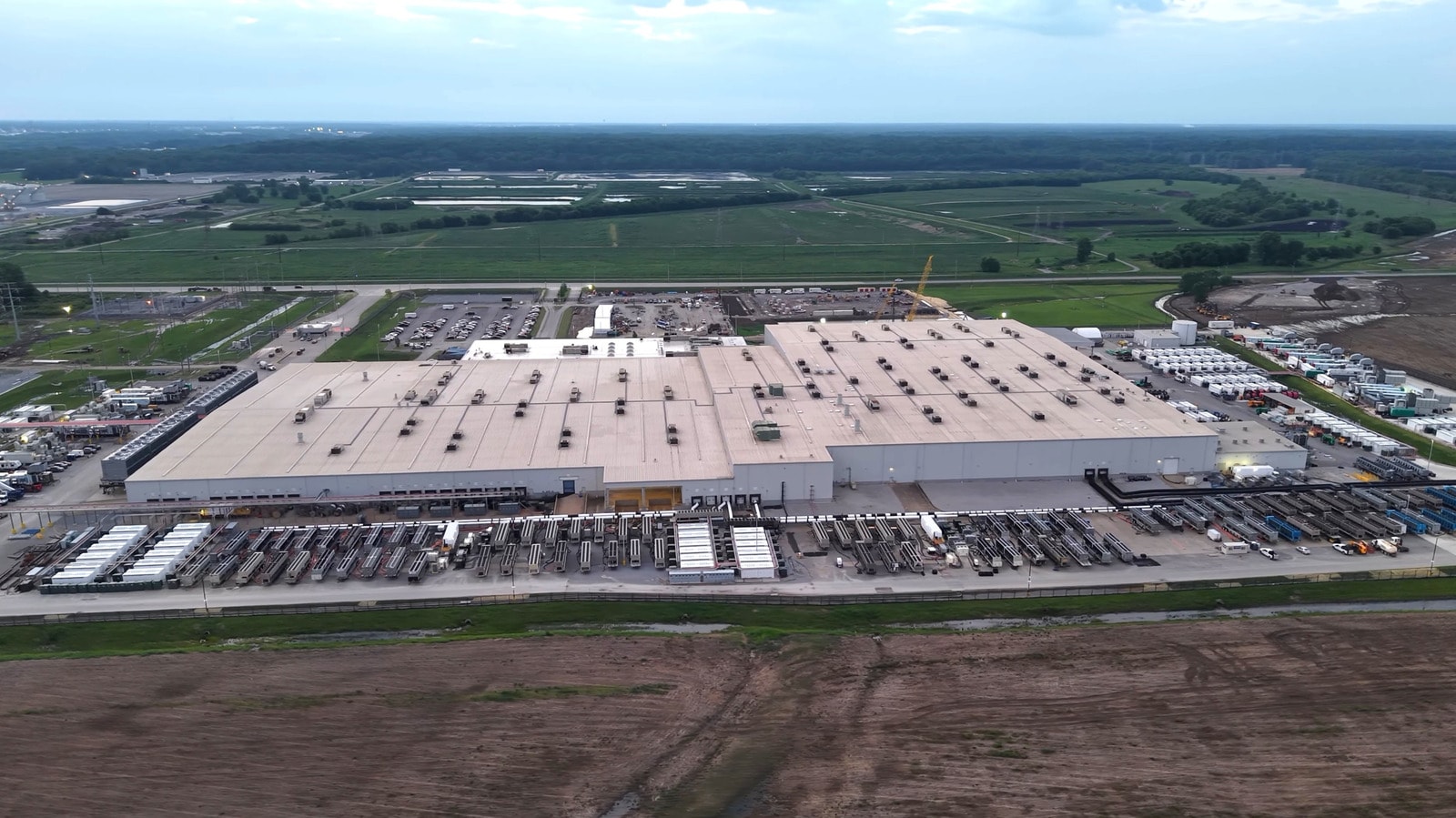
Elon Musk’s artificial intelligence firm, xAI, is facing significant legal challenges. U.S. District Judge Debra M. Brown has denied the company's motion to dismiss a lawsuit concerning its data center in Memphis, Tennessee. The case, brought forward by the NAACP, accuses the company of violating the Clean Air Act and operating methane gas turbines without the necessary permits.
The Core Dispute and Judicial Ruling
The legal battle began in April when the civil rights organisation initiated action against xAI. The plaintiffs argue that the company is unlawfully utilising gas turbines to power its data centers. In its defence, xAI attempted to classify the turbines as "mobile," which would exempt them from certain regulatory requirements. However, Judge Brown emphasised in her ruling that the data center's power supply system does not meet the criteria for mobility and, therefore, is not exempt from the obligation to obtain the required permits.
Interestingly, the U.S. Department of Justice had partially supported xAI’s position, arguing that the company’s operations were an integral and critical part of U.S. military interests. Despite this support, the court prioritised adherence to environmental legislation and decided to allow the case to proceed.
Challenges for AI Infrastructure
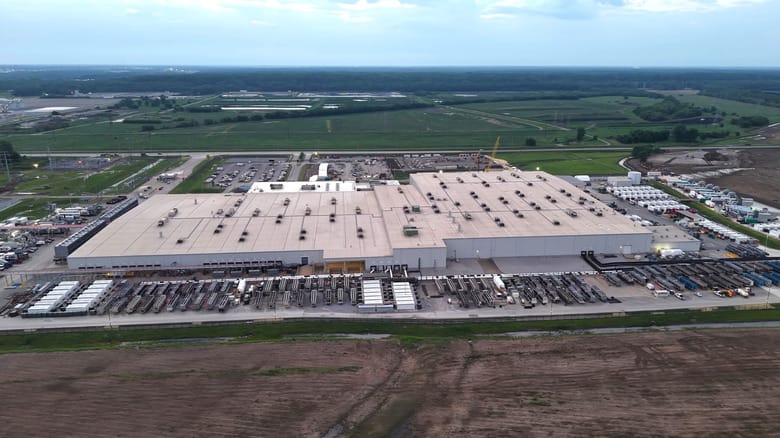
This incident highlights the growing tension between the rapid development of artificial intelligence and local communities. Tech giants, including xAI, are constructing massive data centers to meet the immense computational power required to train AI models. However, the energy consumption of these facilities and their environmental impact are increasingly sparking concerns among local residents.
Notably, despite the ongoing litigation, xAI has not halted its operations. Furthermore, the company has continued to install additional gas turbines for another data center in the nearby city of Southaven, Mississippi. This action further intensifies the conflict and raises questions regarding corporate responsibility.
What This Means Globally
Although this specific dispute is confined to the U.S. legal system, it sets an important precedent for global technology companies. As countries worldwide prioritise the development of digital infrastructure and data centers, the importance of maintaining environmental standards and energy efficiency will only increase. Such international precedents may eventually influence how large-scale technology projects are regulated at a local level, ensuring a necessary balance between technological progress and environmental protection.