Woman Arrested in Philadelphia for Blocking Delivery Robot
The incident highlights growing public anxiety over the impact of autonomous technology on human employment.
Street Protests: Robots Versus Human Jobs
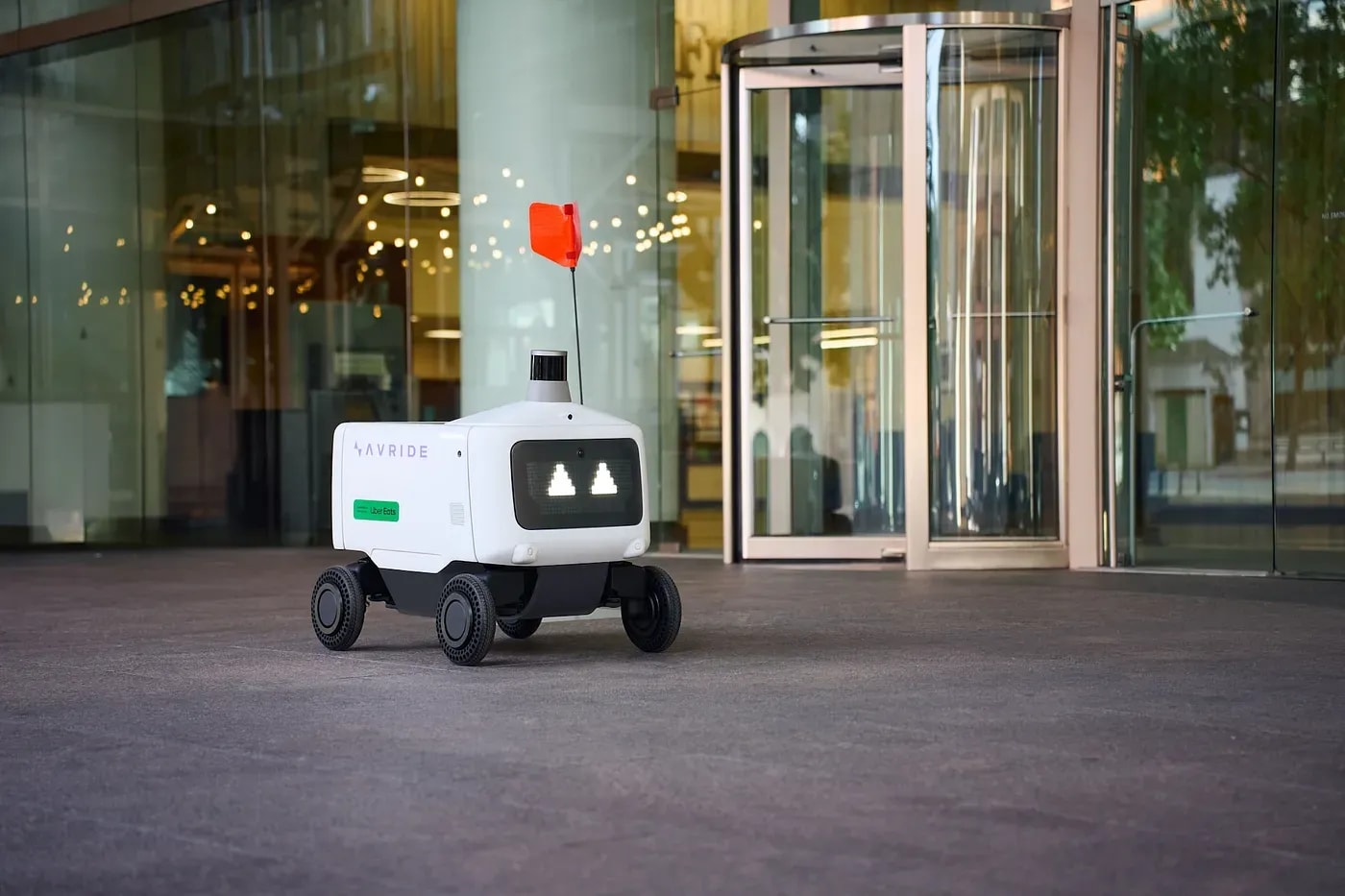
An unusual incident on the streets of Philadelphia has highlighted growing public tension regarding artificial intelligence and autonomous technology. Caroline Marvin, a local resident, was arrested in the city centre after she intentionally blocked an Uber delivery robot and refused to move.
Marvin stated that her actions were a form of protest. She publicly admitted that she uses this tactic to hinder autonomous devices, believing they are replacing courier jobs. "I know they are taking people's jobs, so I protest them every time I see them—I stand in front of them and won't let them pass," she said following the incident.
Police Response and Legal Consequences
Police officers arrived at the scene and instructed the woman to clear the path and allow the robot to continue. When Marvin ignored the order, law enforcement arrested her. She has been charged with disorderly conduct. Footage of the incident spread rapidly across social media and news outlets, sparking a heated public debate.
While delivery robots have become a common sight in downtown Philadelphia, public sentiment remains divided. This is not the first time autonomous devices have faced hostility from locals. Earlier this year, a similar robot was knocked over and damaged in the city centre.
The Impact of Automation on Employment
The incident in Philadelphia is more than just one woman's protest; it reflects broader concerns surrounding rapid technological advancement. A segment of the public fears that robotaxis, delivery robots, and artificial intelligence agents pose a serious threat to low-skilled jobs.
Although technology companies emphasise the efficiency and speed of automation, critics point to the social cost of these changes. The Philadelphia case demonstrates that integrating autonomous systems into urban infrastructure may prove more complex than initially planned.
In Georgia, where technology services and delivery applications are developing rapidly, the topic of automation is becoming increasingly relevant. While radical protests like the one seen in Philadelphia have not yet occurred, the incident serves as a significant lesson on how public attitudes toward technology can shift if a large portion of the population perceives it as a threat to their well-being.