Why You Should Never Daisy-Chain Power Strips
Daisy-chaining power strips is a major fire hazard that risks overloading your electrical circuits.
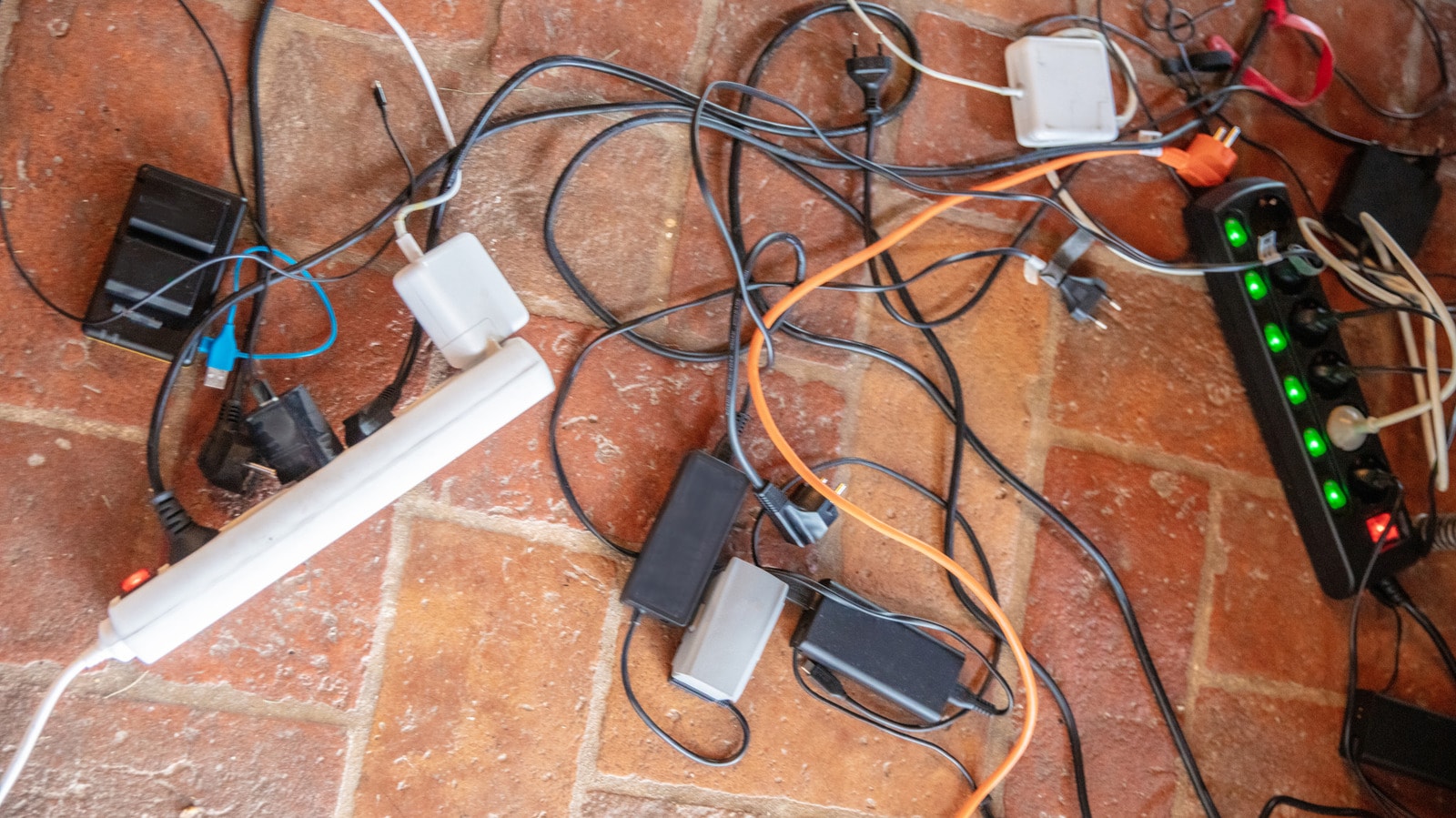
Modern home offices and gaming corners are increasingly crowded with electronics. Between computers, multiple monitors, chargers, printers, and audio systems, wall outlets are often in short supply. This leads many users to plug one power strip into another. While it may seem like a convenient solution, it is one of the most dangerous electrical safety mistakes you can make. Daisy-chaining power strips introduces significant risks that every user must understand to prevent short circuits and fire hazards. ## Why Daisy-Chaining is Dangerous The primary issue is that adding more sockets does not increase the electrical capacity of the circuit. When you plug a second power strip into the first, the total electrical load of all devices connected to the second strip must pass through the plug, internal components, and cable of the first. Each power strip has a maximum load limit, typically measured in amperes. If the first strip is already operating near its limit, adding a second can lead to a critical overload. Excessive current flowing through the wires causes "resistive heating." Over time, this high temperature can melt the plastic housing and wire insulation, potentially igniting nearby furniture or paper. ## What to Do If You Lack Outlets If one power strip is insufficient, the solution depends on your specific needs: - Need more sockets? For low-power devices, it is better to purchase a single power strip with more outlets. However, remember that an 8-outlet strip does not necessarily have a higher capacity than a 4-outlet one. These are different specifications, so always check the technical data. - Distance issues? If your wall outlet is far away, buy a strip with a longer cord. Do not use additional extension cords. The National Fire Protection Association (NFPA) explicitly advises against such configurations, as extension cords also have their own limits. If your circuit breaker trips when you plug in a strip, moving devices to a second strip will not solve the problem. It is a clear sign that the electrical circuit is overloaded. Furthermore, never use damaged, burnt, or loose power strips; attempting to repair them with electrical tape is never safe. ## Heavy Appliances and Surge Protectors Beyond daisy-chaining, another common mistake is plugging high-power appliances into power strips. Devices such as electric heaters, microwaves, and refrigerators consume significant power and must be plugged directly into a wall outlet. Standard power strips are designed for lower-consumption electronics like PCs, monitors, printers, and smartphone chargers. It is also important to remember that surge protectors do not change the situation. A device designed to protect against voltage spikes still has a specific power limit. Consequently, daisy-chaining surge protectors is just as dangerous as daisy-chaining standard power strips. The golden rule of safety is simple: always check the maximum load limit of your power strip and compare it to the total power consumption of the devices connected to it. If one outlet is not enough, simply use another wall socket in the room for a separate power strip.