Why You Don’t Need Audiophile Headphones for Gaming
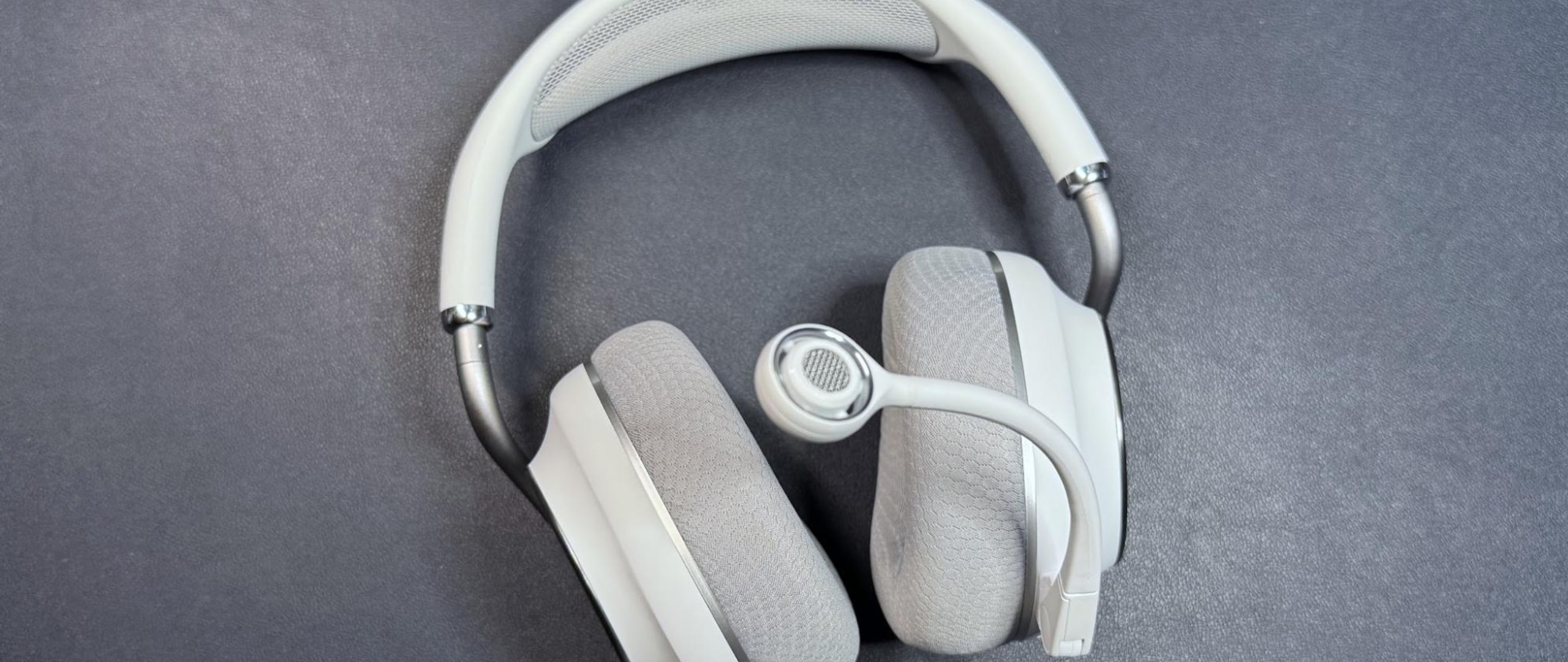
Many gamers are tempted to bypass dedicated gaming gear in favour of high-end audiophile headphones. The logic seems sound: since the primary purpose of a headset is audio reproduction, audiophile models should logically offer the best experience. However, in the gaming world, absolute acoustic accuracy does not always equate to the best performance.
Audiophile equipment is designed with one goal: to reproduce recorded audio with maximum precision, exactly as the studio intended. Gaming headsets, conversely, prioritize ergonomics, convenience, team communication, and game-specific acoustics.
Sound Accuracy vs. Tactical Advantage
While the wide soundstage and detailed layering of audiophile headphones add realism to virtual worlds, competitive shooters require something different. In online matches, the priority is precise tactical information—footsteps, gunshot direction, and positioning. An overly detailed audio background can often obscure these critical cues.
Furthermore, in RPGs or adventure titles, the goal is not laboratory-grade clarity, but rather an epic, dramatic atmosphere. Gaming headsets achieve this much more effectively through tailored EQ profiles.
Comfort and Daily Convenience
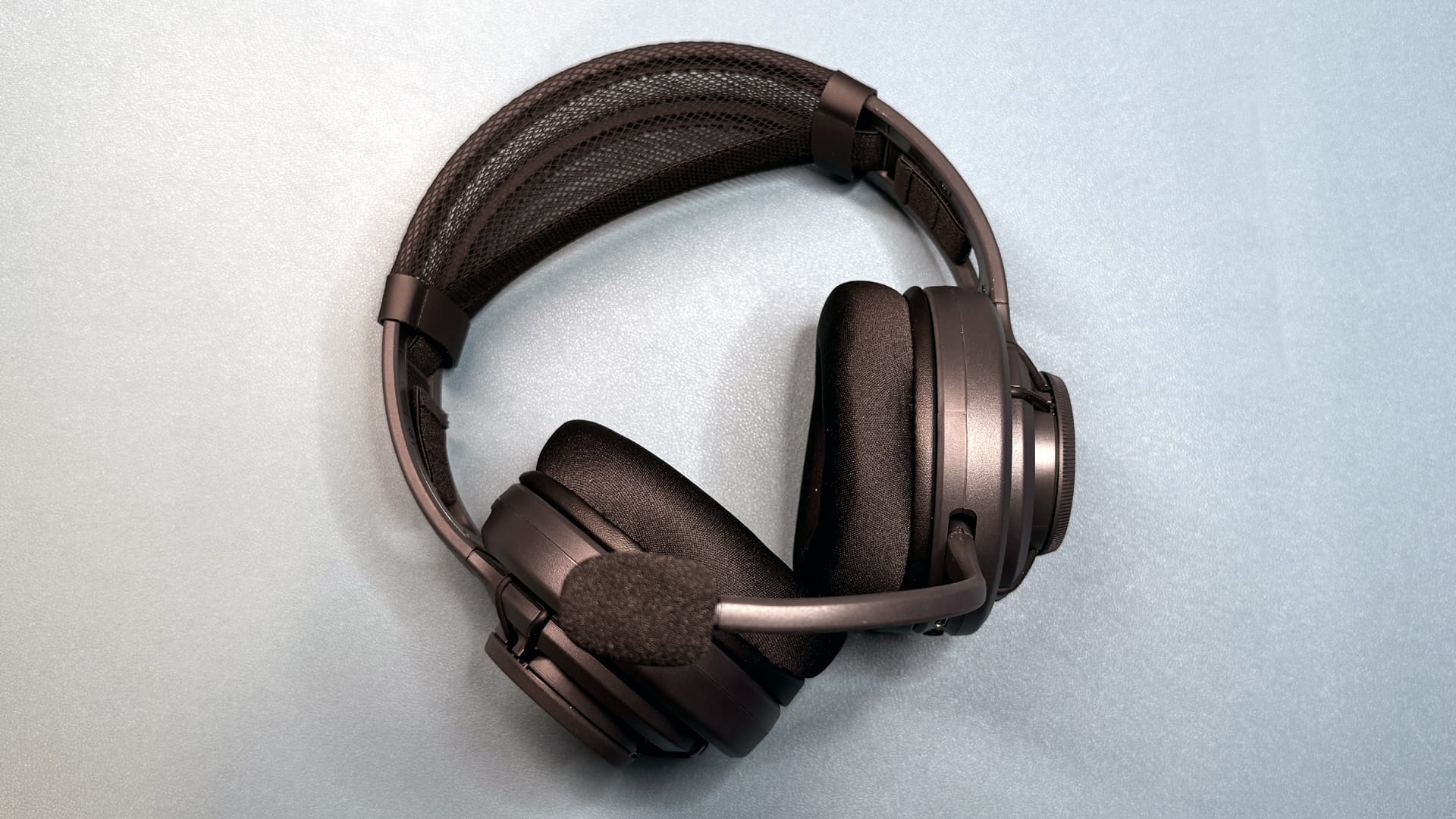
Most audiophile headphones are open-back with large drivers, which can be comfortable for long sessions. However, gaming models are specifically engineered for physical endurance. While devices like the Corsair Virtuoso Pro or Turtle Beach Atlas Air utilize open designs, the majority of the market remains closed-back and highly customizable.
For example, Turtle Beach’s ProSpecs technology uses soft cushions designed for glasses wearers, while the Logitech G735 is designed to avoid snagging on long hair or piercings.
In terms of convenience, gaming models are the clear winners. Audiophile gear is almost always wired and often requires an external amplifier or audio interface. Gaming headsets—including the Turtle Beach Stealth Pro II and Razer BlackShark V3 Pro—offer multi-device connectivity, audio mixing, and instant profile switching. The HyperX Cloud Alpha 2 Wireless even includes a desktop control station. Conversely, premium audiophile attempts like the Audeze Maxwell and Maxwell 2 can be cumbersome; their Bluetooth connection often overrides the 2.4 GHz signal, and manual switching between them is not possible.
Communication and Team Play
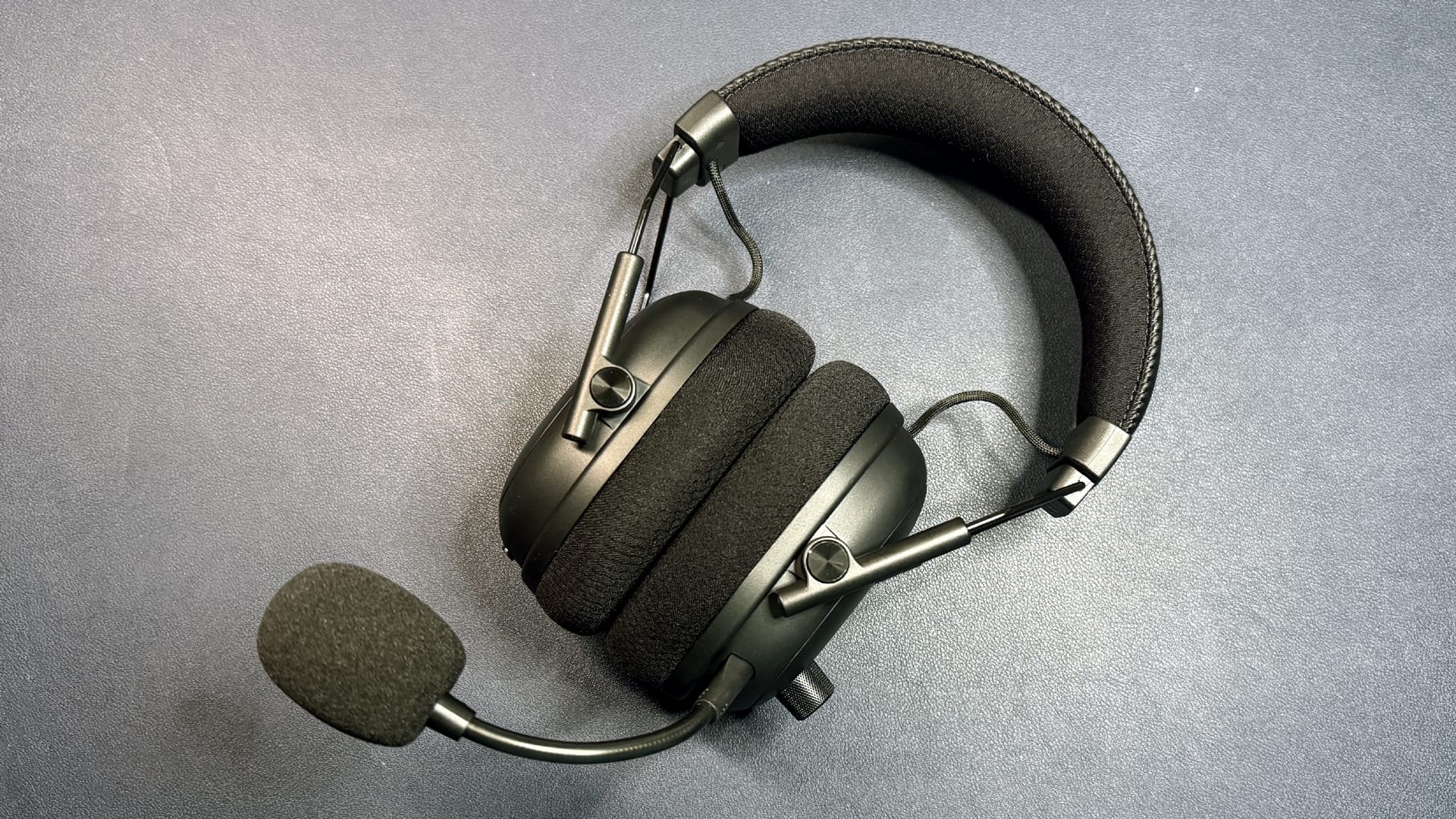
A standalone microphone will always outperform a headset-mounted one, but gaming accessories have made massive strides. The microphone on the Razer BlackShark V2 Pro (2023) rivals many dedicated desktop models.
More importantly, gaming headsets include essential features like ChatMix, found in the SteelSeries Arctis Nova series. This system allows you to balance game audio against voice chat directly from the headset. These are complemented by sidetone and software-based noise cancellation—features entirely absent in traditional audiophile headphones.
What Should a Gamer Choose?
Models like the expensive Audeze LCD-GX, with its 90mm planar magnetic drivers, sound extraordinary, but their gaming potential is limited to a standard wired connection to a PC.
If your primary goal is critical music listening, the audiophile class is unrivaled. However, if you are looking for a device for multi-hour gaming sessions where wireless freedom, clear team communication, and instant audio control are critical, a modern gaming headset is a far more practical and sensible choice.