Why the New Fitbit Edge Lacks Contactless Payment Support
Without NFC: The Reason Behind Google's Decision
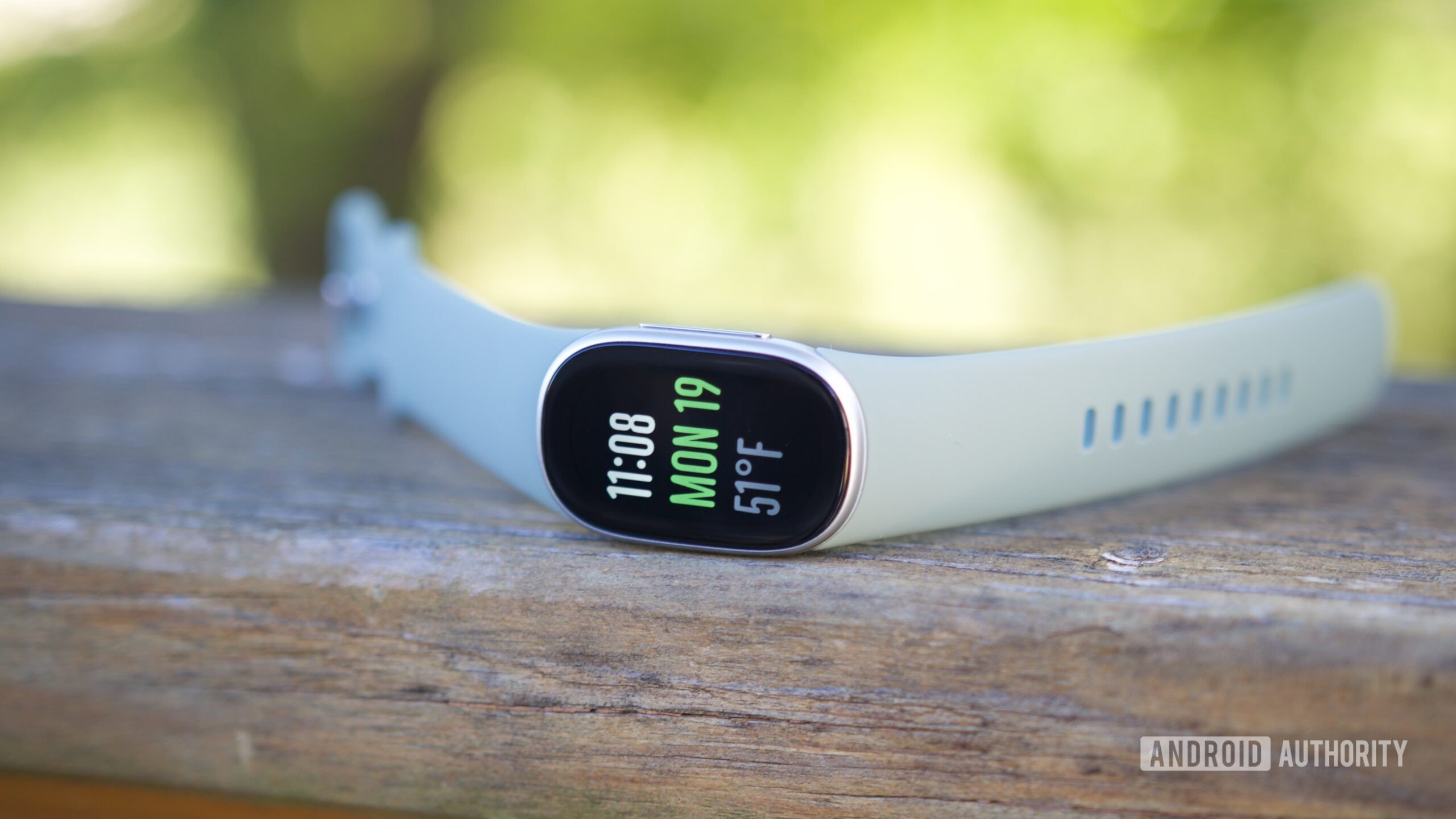
The recently unveiled Fitbit Edge fitness tracker has captured significant attention. While the device features a range of modern health monitoring tools, one specific detail has raised questions within the tech community: the tracker lacks NFC (Near Field Communication), meaning users cannot utilise it for contactless payments.
For many, this is a source of disappointment, particularly for those accustomed to paying at retail stores or navigating public transport using a smartwatch or fitness band. The absence of this feature has become a primary reason why many potential buyers have decided against purchasing the device.
Statistics That Convinced Google
Google has officially explained the reasoning behind this controversial decision. According to the company, the choice is based on an analysis of user behaviour regarding the Fitbit Charge 6. Data shows that less than one percent of Charge 6 owners used NFC for payments, suggesting that the feature was effectively redundant for the broader audience.
Based on these statistics, Google decided to remove the component from the Fitbit Edge, likely to simplify the device's internal structure or to prioritise other technical features. While the decision is logical from a statistical standpoint, it remains a step backward for users who expect multifunctionality from their smart devices.
What Features Does the Fitbit Edge Offer?
Despite the absence of NFC, the Fitbit Edge remains a powerful device for those focused on health tracking. The tracker is equipped with all the essential sensors modern users expect, including:
- ECG functionality: For diagnosing heart rhythm irregularities.
- Skin temperature sensor: Helping users gain a better understanding of their overall physical state.
- Altimeter: For measuring changes in altitude, which is particularly useful during active exercise and hiking.
Furthermore, the device integrates fully with smartphones, offering users a wide range of notification and physical activity monitoring capabilities. While contactless payments are very popular in Georgia, the health monitoring features of the Fitbit Edge may still prove attractive to users who prioritise fitness metrics over the convenience of wrist-based payments.