Why the 8K Television Era Failed to Take Off
The industry's grand expectations for high-resolution displays have failed to convince consumers, leaving 4K as the reigning standard.
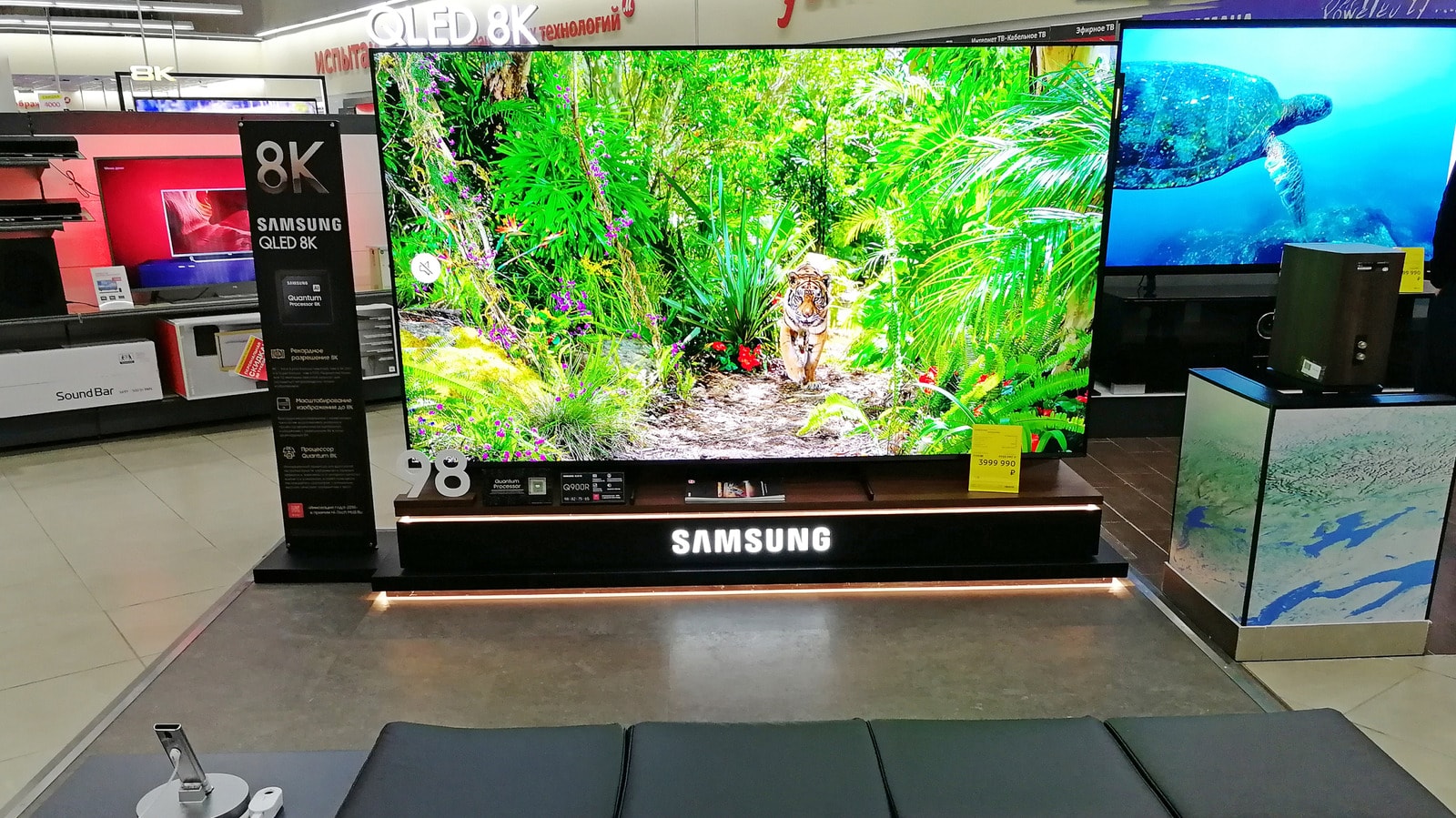
Between 2016 and 2022, the tech industry was convinced that 8K resolution was the inevitable next step in television evolution. Today, at the end of 2026, the reality is starkly different: 8K televisions are as rare in modern homes as retro gaming consoles. The industry’s grand expectations failed to materialise, as 8K could not convince consumers that upgrading from the 4K standard was necessary.
Manufacturers Exit the 8K Market
For years, leading companies that championed 8K technology have gradually abandoned the format. This year, LG officially ceased production of 8K panels, a clear signal of the segment's decline. Sony made a similar move back in 2025, while TCL attributed its withdrawal to extremely low consumer demand. Today, Samsung is effectively the only major player left continuing to release 8K models.
The statistics are telling: as of 2024, there were nearly a billion 4K televisions in use worldwide, while the total number of 8K devices sold since 2015 stands at only 1.6 million. Sales peaked in 2022, after which interest dropped sharply.
Content Shortages and Technical Limitations
The primary advantage of an 8K TV is its 7680 x 4320 pixel count—four times that of 4K. However, this figure becomes meaningless when there is a lack of films, series, or streaming services that support the resolution. The 8K ecosystem failed to develop as the 4K ecosystem did, making the $3,000 to $40,000 price tag unjustifiable for most buyers.
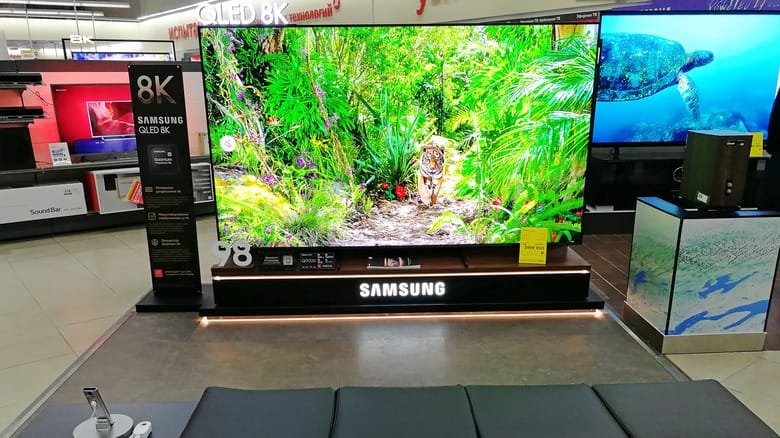
Furthermore, processing and streaming 8K content requires immense resources. Home internet speeds are often insufficient to handle such high-quality signals, and 8K gaming requires hardware that remains inaccessible to the general public.
Why We Cannot See the Difference
According to a 2025 study from the University of Cambridge, the human eye cannot distinguish between 4K and 8K screens from a certain distance. For a 44-inch television, for example, the advantage of 8K is practically zero when viewed from 2.5 metres away. This indicates that the technology has reached a point of diminishing returns.
For today’s consumer, colour quality, HDR support, and brightness are far more important than pixel count. 4K televisions remain the optimal choice. With its high price and lack of content, 8K technology has remained a niche product that is unlikely to ever establish itself in the mass market. For consumers, this means that when purchasing a television, it is better to focus on high-quality 4K models that fully satisfy all necessary requirements.