Why Smartphones Are Getting More Expensive: The Memory Chip Shortage

The tech world is facing a new challenge that industry experts are calling "chipflation." Persistent shortages of RAM and rising costs are ending a decades-long trend that consistently made electronics more affordable.
The Memory Crisis and Its Impact
With Apple’s next-generation iPhone presentation scheduled for the coming days, consumers are likely to see increased prices. This shift is not merely a marketing decision; it is a direct result of the supply chain crisis currently gripping the global market. According to AlphaSense data, over 400 company reports from the last quarter cited "memory prices" and "memory shortages," confirming the scale of the problem.
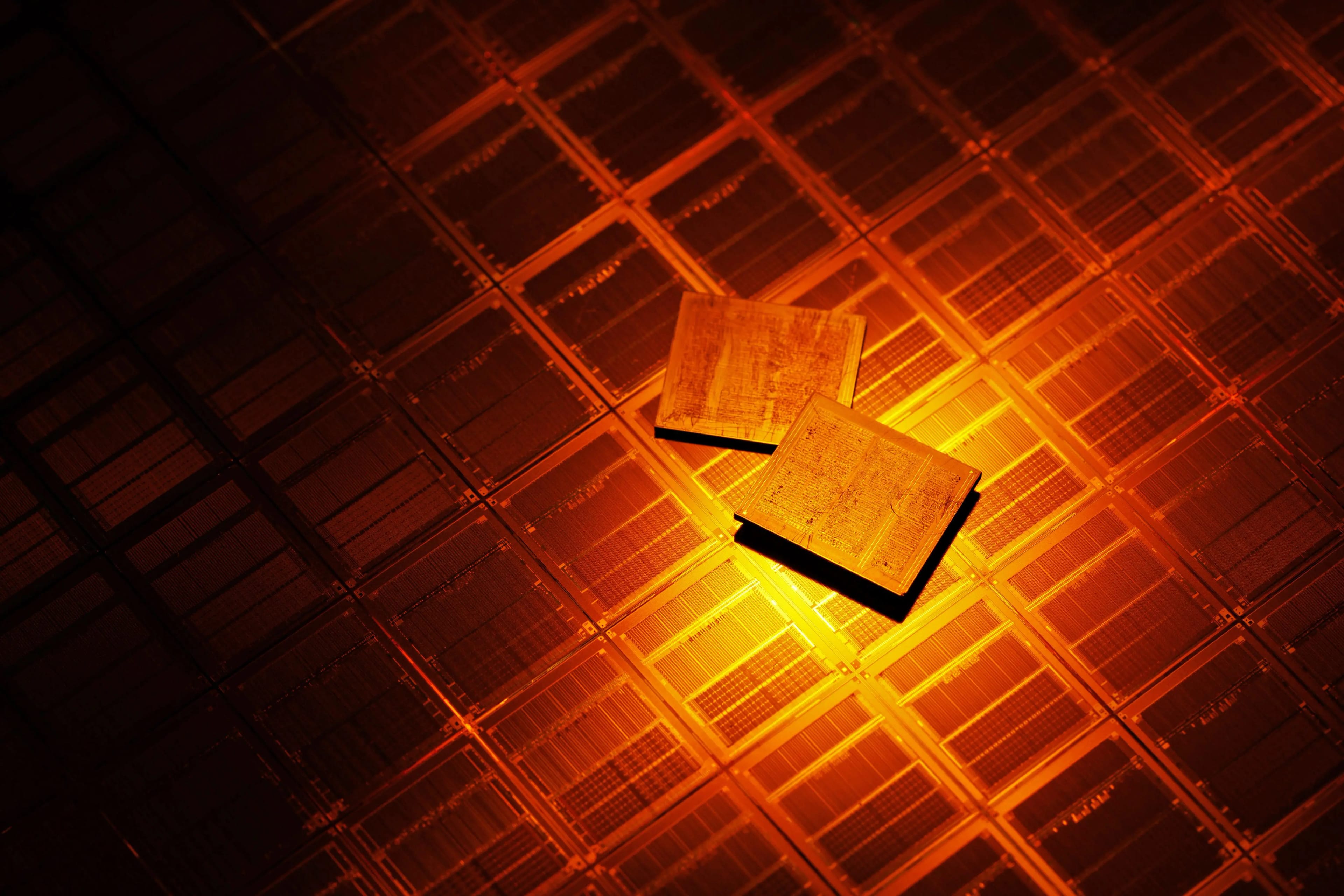
For years, technological progress meant more power at lower prices. However, the current memory crisis—which some analysts refer to as "RAMageddon"—is shifting this dynamic. Rising costs for components produced by giants like Micron are directly reflected in the price of finished products.
What Awaits the Consumer
For consumers, including those in Georgia who closely follow the latest technological trends, this means that the newest generation of smartphones and laptops will be more expensive. Because the memory shortage is global and no quick resolution is in sight, the trend of rising prices is expected to continue for the foreseeable future.
Such supply chain fluctuations highlight once again how dependent the modern digital economy is on the availability of physical components. Until manufacturers find alternative solutions, consumers will have to accept that purchasing more powerful devices will be impossible without significantly higher financial expenditures.