Why Relying on AI for Hiking Routes Can Be Dangerous
From misleading routes to ignored park regulations, over-reliance on chatbots is putting outdoor enthusiasts at risk.
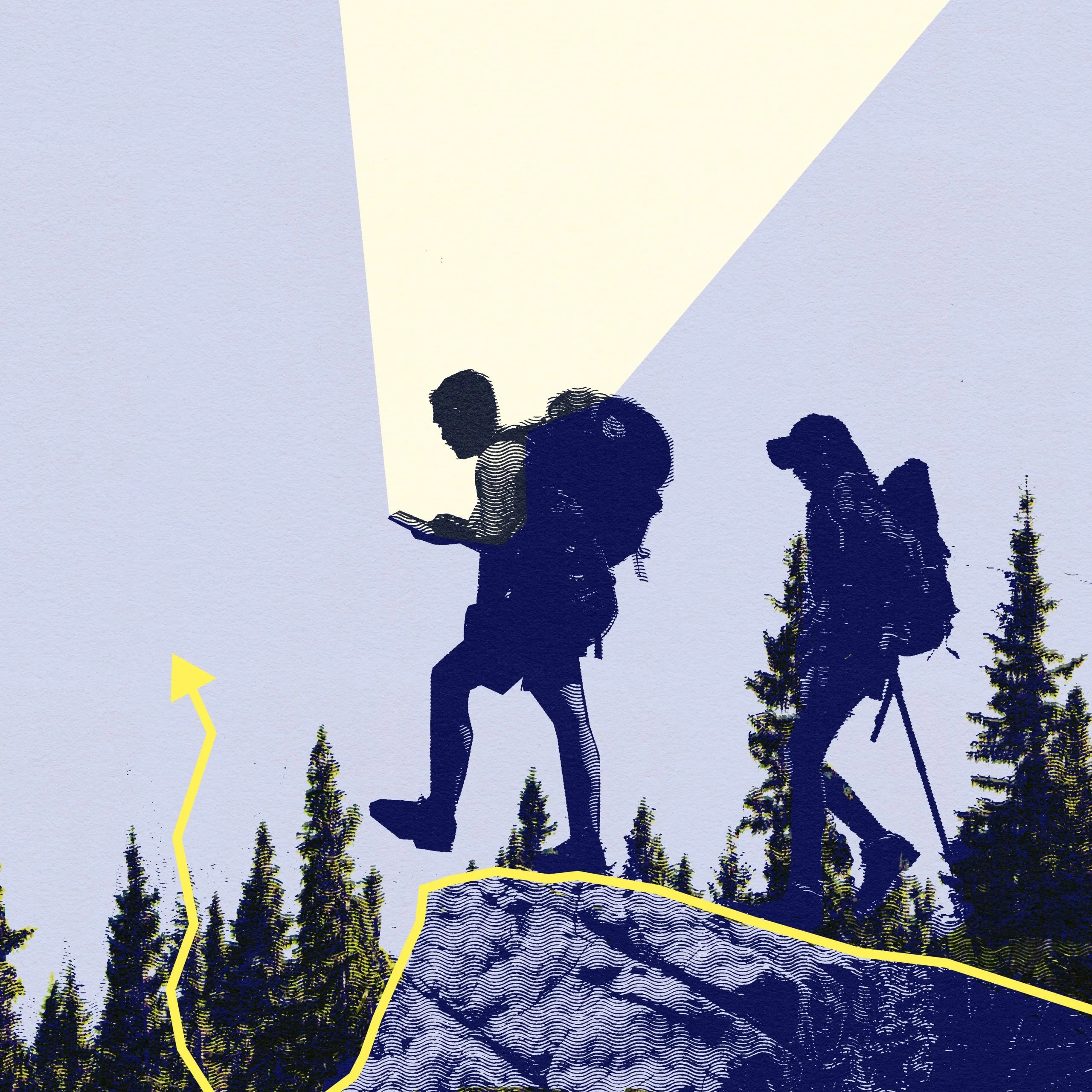
More hikers are turning to AI chatbots, such as Google’s Gemini or Anthropic’s Claude, to plan their routes. However, relying too heavily on this technology can pose a serious threat to human life. A recent incident on Mount Shasta in California illustrates this risk: three young people followed chatbot advice, misjudged their own abilities and preparation levels, and became stranded on the mountain overnight, requiring an emergency rescue operation.
Why AI Gets It Wrong
Experts refer to this phenomenon as "cognitive surrender." According to Clemson University professor Chris Flathman, when people trust AI, they often stop thinking critically. Chatbots frequently present information in a highly convincing tone, even when the data is outdated or entirely fabricated. In many cases, the system generates answers based on internet forums and unverified videos, which can lead to catastrophic results in high-risk activities like mountaineering.
Beyond incorrect routes, chatbots often provide misleading advice regarding park regulations. For example, a visitor to Mount Shasta pitched a tent in a prohibited area simply because an AI convinced them it was allowed. Similar cases are being reported across various U.S. national parks, where up to 26% of visitors now use AI to research travel information.
How to Stay Safe
Despite technological advancements, search and rescue teams continue to emphasize the importance of traditional methods. Before heading into high-altitude or difficult terrain, it is essential to verify information through official sources:
- Use only reliable, updated maps and official agency websites.
- Consult with experienced guides or park rangers.
- Never rely on a single digital tool; always have an alternative plan.
Historically, technology has always changed how we travel. A decade ago, problems were caused by social media platforms and inaccurate GPS data; today, AI has taken on that role. However, as specialists point out, when dealing with locations where a mistake could be fatal, the planning process must be approached with maximum seriousness. AI can be a helpful tool, but it should never replace human judgment and personal responsibility.