Why Quantum Computers Require Temperatures Colder Than Space
The Paradox of the Quantum Cold
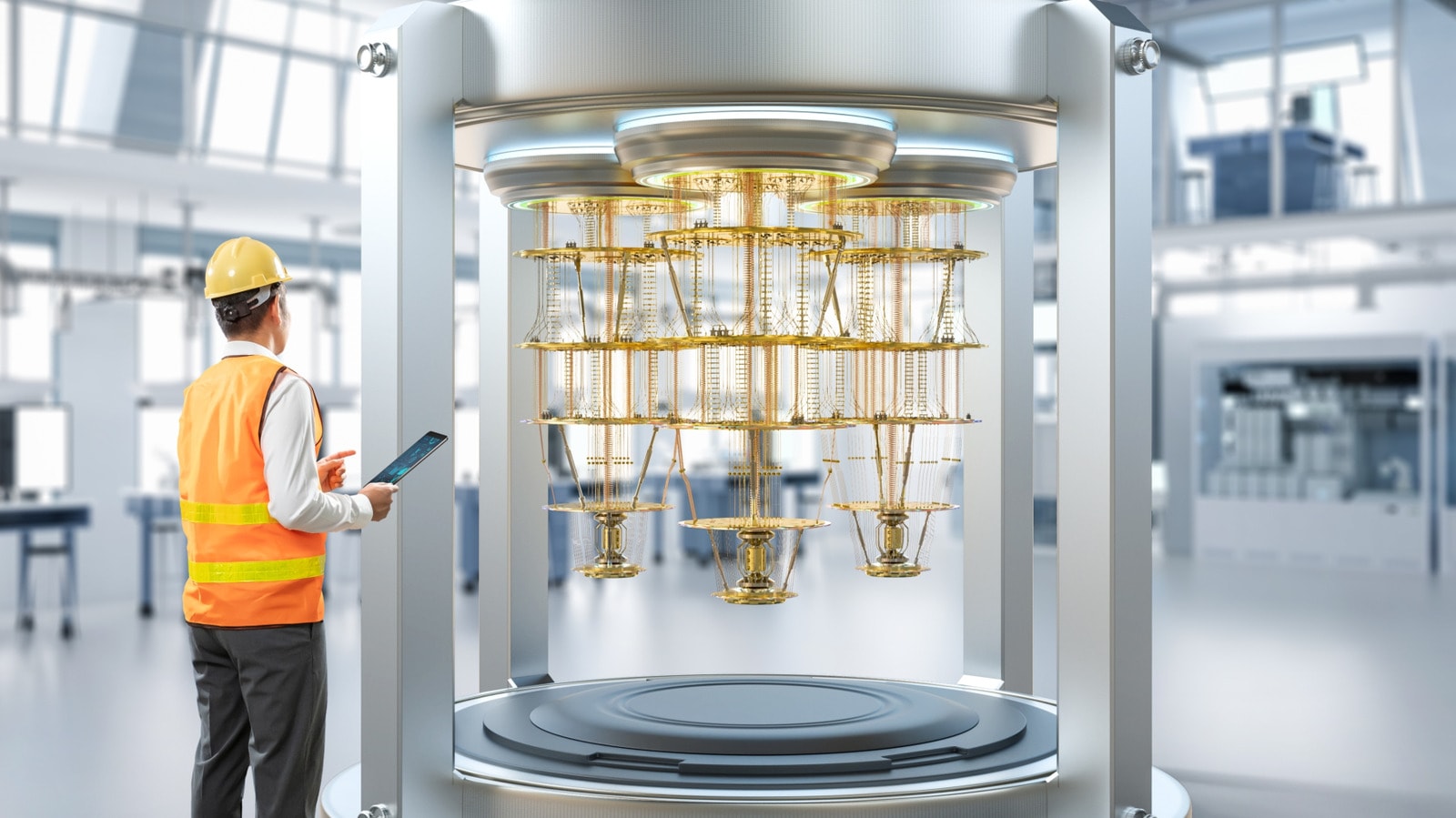
When we discuss quantum computers, we often picture the futuristic, chandelier-like structures housed in laboratories. Yet, the most striking feature of these devices is not their appearance, but their temperature. IBM's latest modular cryogenic systems maintain temperatures below 15 millikelvins. This figure is roughly 180 times colder than the temperature of outer space, which sits at 2.7 kelvins. In effect, these environments within our planet's laboratories are some of the points closest to absolute zero in existence.
Why is the Cold Necessary?
Traditional computers process information using bits (0 and 1) that function like simple switches. The fundamental unit of a quantum computer, however, is the qubit, which is far more complex. A qubit can exist in multiple states simultaneously, granting it exceptional computational power. Nevertheless, these systems are extremely sensitive to external factors.
According to the laws of physics, heat is the result of molecular motion. Any thermal energy, even the slightest vibration, forces qubits out of their state. This phenomenon is known as "decoherence," which drastically increases the probability of errors in quantum system calculations. This is precisely why IBM and other technology giants strive to cool the system as much as possible, ensuring that nothing disrupts the interaction between qubits.
Technical Challenges and Alternatives
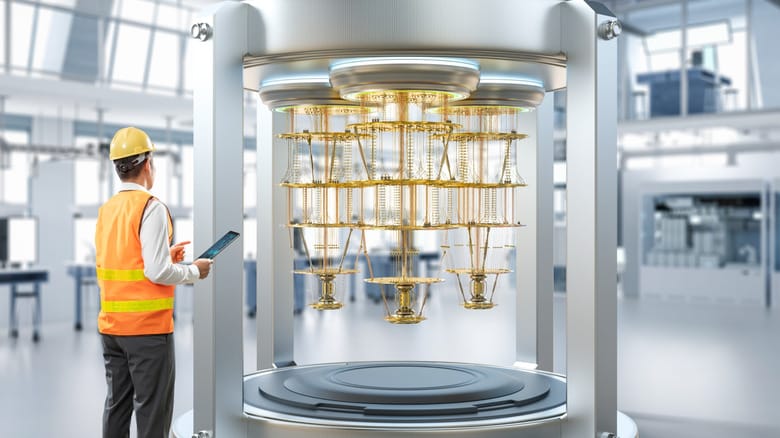
The primary hurdle for quantum computers is the "dilution refrigerator"—a system consisting of metal plates that gradually cool from top to bottom. Paradoxically, the wires required to control the qubits are at room temperature, which conducts heat into the system. As more qubits are needed to increase computing power, more wires are required, which makes cooling the apparatus even more difficult.
Despite this, alternative approaches exist. For example, neutral-atom machines developed by QuEra use lasers to trap atoms in a vacuum and cool them to microkelvins, reducing the need for complex refrigerators. Photonic systems are also being developed, where light particles are used to carry information, allowing certain components to operate at room temperature.
What Does the Future Hold?
The development of quantum computers is a double-edged sword. On one hand, this technology will revolutionise medicine through molecular simulations for new drugs. On the other hand, quantum computers could potentially break modern encryption standards that currently protect our banking and personal data. However, experts reassure the public that creating machines of such power is still a long way off, and NIST has already approved new post-quantum encryption standards that are ready for implementation. At this stage, the main challenge remains maintaining a stable and "cold" environment.