Why is the Mac mini cheaper than Apple laptops?
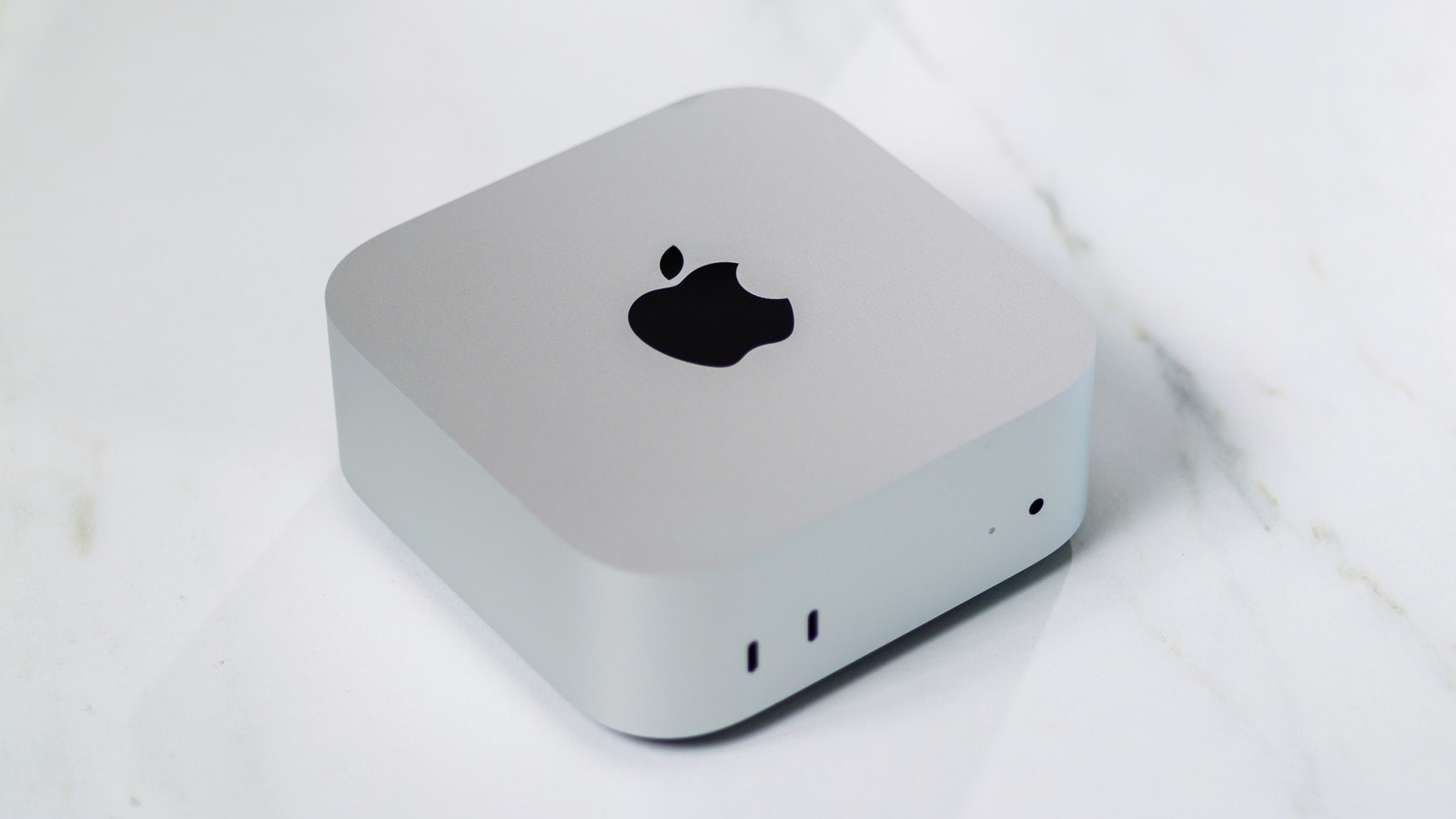
Navigating the Apple ecosystem can be challenging, especially when choosing between desktop and portable devices. The price difference between the Mac mini and MacBook series is not accidental; it is driven by specific technical and structural factors.
What drives the price?
The primary difference lies in the combination of components. With a MacBook, the user is paying not only for a powerful processor and RAM but also for a high-quality display, keyboard, trackpad, and battery. These integrated components significantly increase the final cost of the device.
In the case of the Mac mini, Apple offers a "bare" system unit. Because the device does not include a monitor, keyboard, or mouse, the company does not need to factor the costs of these peripherals into the product price. Furthermore, the compact design of a laptop and the engineering solutions required for mobility—such as specialized cooling systems and lightweight chassis—demand more expensive manufacturing processes.
Who is the Mac mini for?
The Mac mini is an ideal choice for those who already have a workspace set up with a monitor, keyboard, and other accessories. It allows users to access the power of Apple's latest chips at a much lower price point than a laptop would offer.
For users in Georgia who often seek budget-friendly yet powerful solutions for a stationary workspace, the Mac mini represents one of the most rational choices. If mobility is not your priority, this desktop model allows you to redirect the savings toward upgrading your monitor or other essential peripherals. Ultimately, the price difference is not just a marketing strategy, but a direct result of the product's functional purpose.