Why Does Your Device Show Less Storage Than Advertised?
Understanding the difference between decimal and binary storage calculations
Differences in Calculation Systems
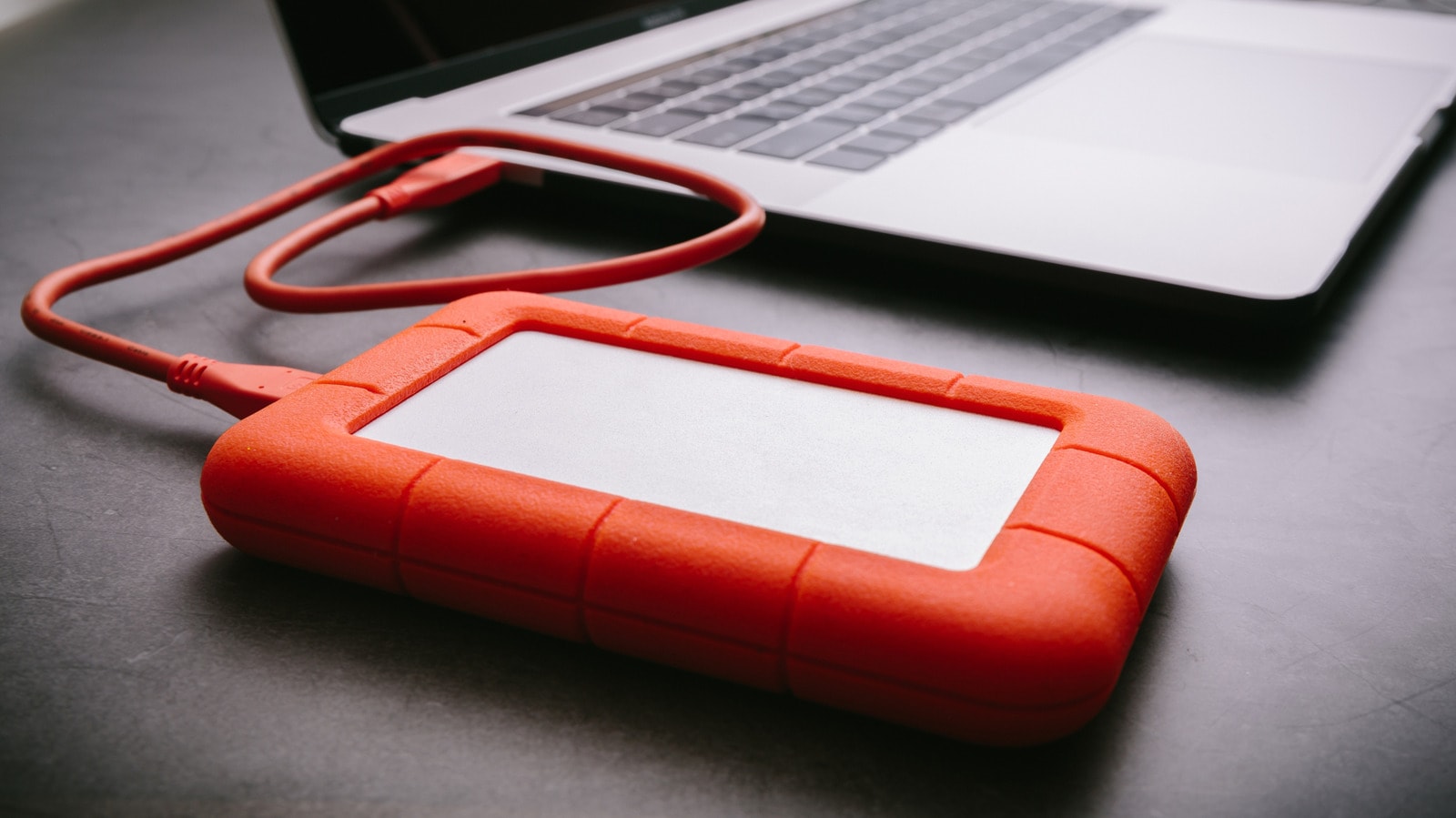
In the digital age, storage capacity is a critical specification. However, users are often frustrated to find less free space than expected when setting up a new device. For instance, a 512GB drive might show up as only 477GB in the Windows operating system. While a 35GB discrepancy may seem minor, it is enough to store hundreds of high-quality photos or several films.
The primary reason for this phenomenon is not deceptive marketing, but rather the use of different mathematical systems. Storage manufacturers measure capacity using the decimal system, where one kilobyte equals 1,000 bytes and one gigabyte equals 1 billion bytes. This approach is more straightforward for marketing purposes.
The Role of Operating Systems
Conversely, platforms like Windows use the binary system. In this system, one kilobyte equals 1,024 bytes, and one gigabyte equals 1,073,741,824 bytes. As storage capacity increases, this discrepancy becomes more pronounced. This is why a 1TB drive appears as 931GB in a binary-based system. Interestingly, Apple products, including macOS, calculate capacity using the decimal system, which is why this "missing" space is not observed there.
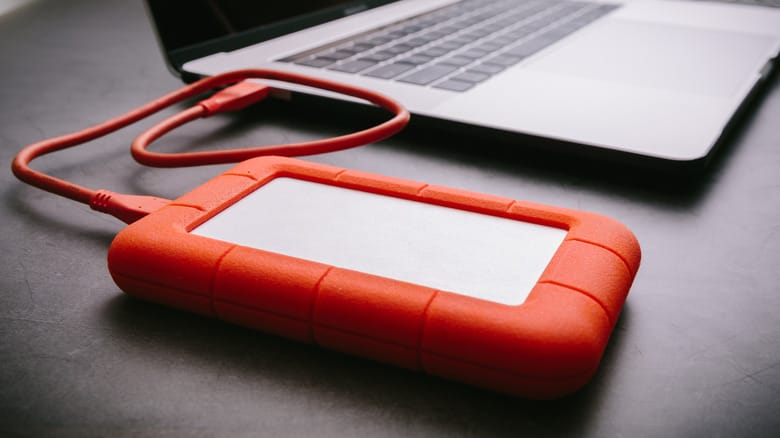
Beyond mathematical differences, another significant factor is the space occupied by the operating system itself. Any device, whether a smartphone, tablet, or laptop, requires pre-installed software. For example, Windows 11 requires over 81GB for system files, while iOS 18 on a 128GB iPhone 16 Pro requires over 22GB. This is precisely why 64GB devices have effectively become obsolete.
How to Avoid Storage Issues
Operating systems are becoming increasingly complex over time, requiring additional space. Furthermore, devices require cache and swap memory for temporary files to ensure the system runs smoothly. If storage is completely filled, the device may slow down or applications may cease to function correctly.
The advice for users is simple: when purchasing a device, always plan for a storage capacity slightly higher than your actual needs. While this technical discrepancy will persist in the market for some time, being informed will help you avoid unexpected discomfort when managing your data.