Why Do Electrical Plug Prongs Have Holes?
The Secret of the Manufacturing Process
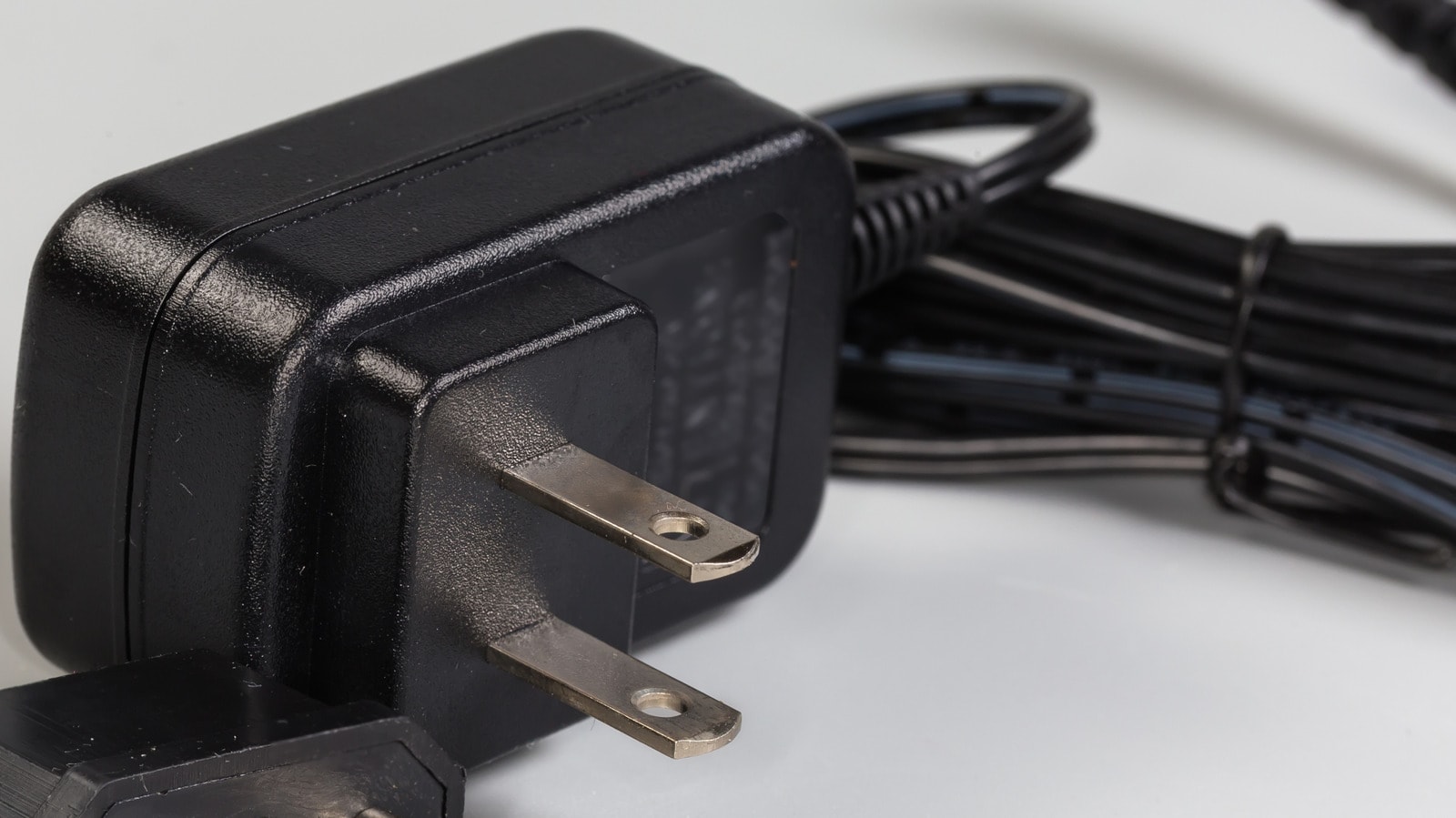
In our daily lives, we have become so accustomed to electrical appliances that we often overlook the minor details embedded in their design. One such "secret" is the small hole found on the metal prongs of electrical plugs. Many assume these are necessary for better conductivity or to help secure the plug in the socket, but the reality is quite different.
In truth, these holes primarily serve manufacturing needs. When a plug is produced in a factory, the metal prongs must be precisely positioned before they are encased in the plastic body. Manufacturers insert special rods into these holes to keep the prongs stable, minimizing the risk of improper assembly. Additionally, these holes are sometimes used to attach safety labels.
Historical Context and the Evolution of Sockets
Interestingly, these holes did once have a practical function in the home. Decades ago, sockets contained a small protruding mechanism called a "detent." When you inserted a plug, this detent would snap into the hole, locking the plug in place to prevent it from falling out easily.
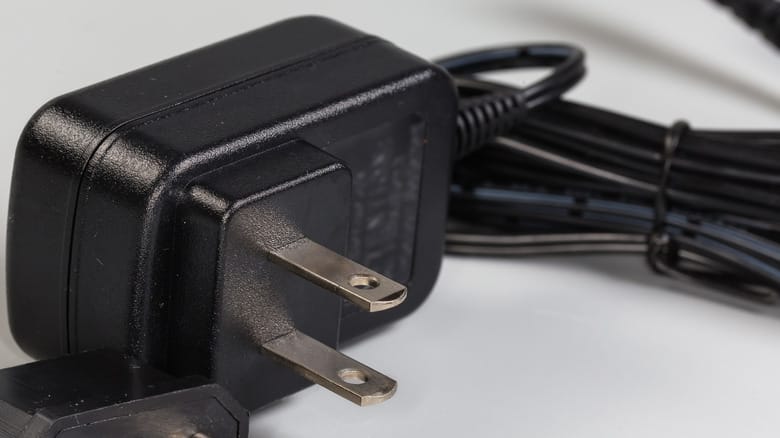
However, standards evolved over time. Underwriters Laboratories (UL) approved new regulations requiring sockets to be capable of securing plugs without the need for these holes. Consequently, manufacturers stopped including detents in sockets because they no longer provided any benefit and only made removing the plug more difficult. The holes remained on the plugs as a traditional design element, which remains compatible with both old and new types of sockets today.
Should You Worry if Your Plugs Lack Holes?
If your electrical device does not have holes in its plug prongs, it does not mean it is defective or fails to meet safety standards. Solid, hole-free metal prongs conduct electricity just as effectively as perforated versions. The most important factor is that the socket itself is in good working order.
If you notice that a plug moves freely or falls out of the socket easily, the issue lies with the wear and tear of the socket, not the plug. In such cases, it is recommended to replace the socket. Remember that when performing any electrical work, it is essential to follow safety rules and disconnect the power at the distribution panel. Under no circumstances should you attempt to drill holes into your plugs; this is not only useless but can also be dangerous.