Why Cleaning Your PC With Expired Alcohol Is Dangerous
Isopropyl alcohol and its 'shelf life'
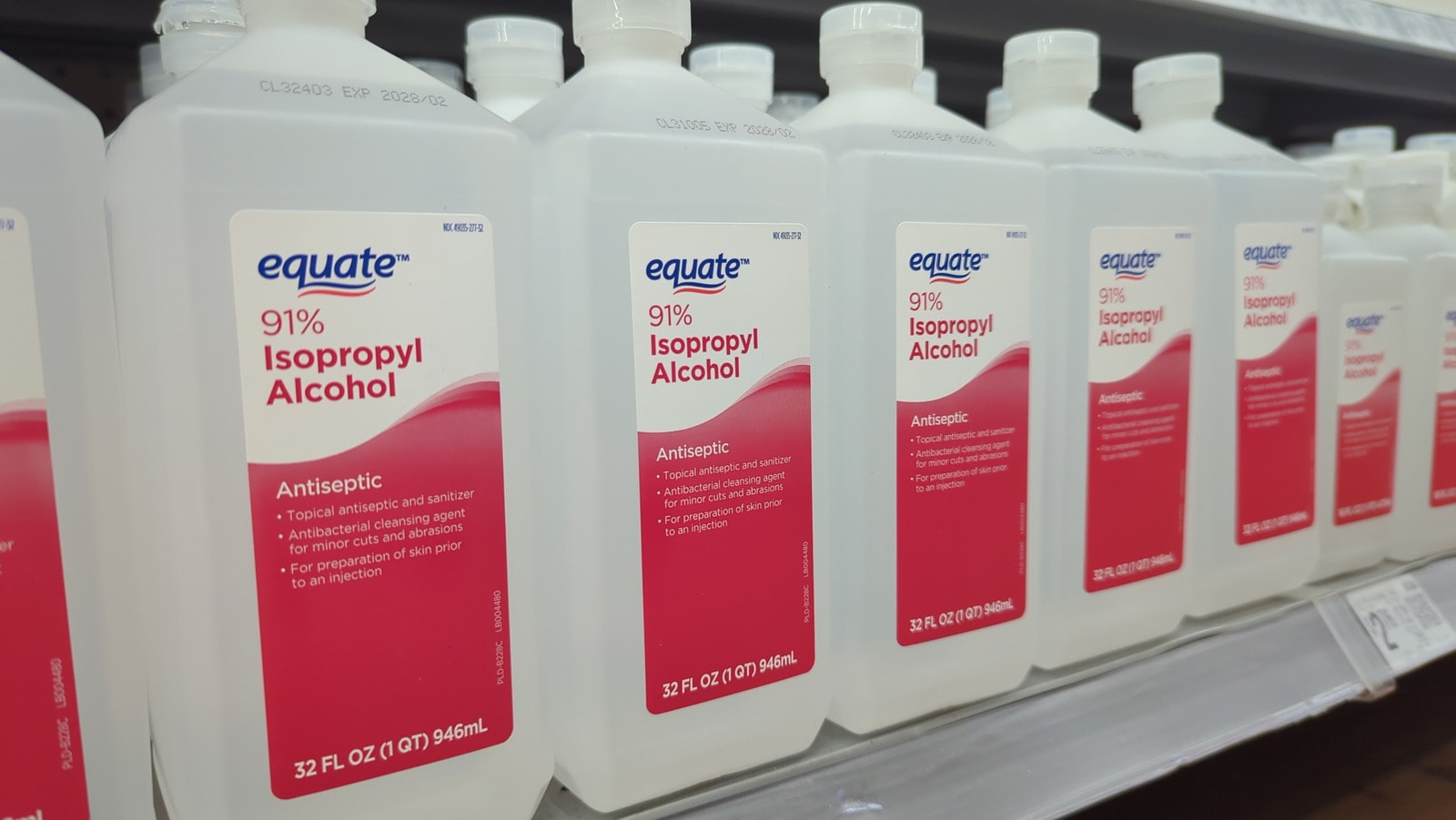
Isopropyl alcohol is widely considered one of the most effective and safe agents for cleaning computers and smartphones. However, it is essential to remember that this liquid has a limited lifespan. While manufacturers often suggest an optimal three-year period, many users store bottles for much longer. If your alcohol has been sitting on a shelf for a decade, using it on sensitive electronic components can be risky.
Why does alcohol lose its effectiveness?
The primary issue lies in the hygroscopic nature of isopropyl alcohol, meaning it has the ability to absorb water molecules from the environment. Even when a bottle is tightly capped, atmospheric moisture can seep through microscopic gaps. Over time, the alcohol concentration decreases, eventually reaching a balance of approximately 65% alcohol and 35% water.
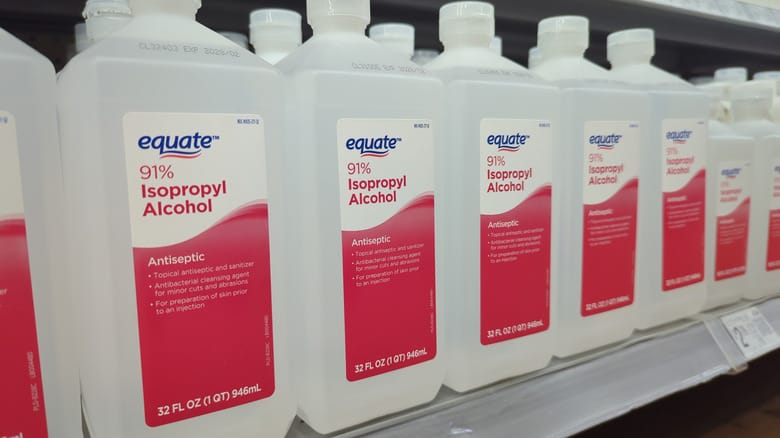
For electronics, an alcohol concentration between 90% and 99% is ideal. Such a solution evaporates quickly, leaving no moisture on components. When the alcohol is diluted with water, the evaporation process slows down, increasing the risk of corrosion or damage to electronic boards. Remember: water and electronics are incompatible.
How to clean your computer properly
While alcohol is excellent for removing thermal paste residue, it is not suitable for all surfaces. For instance, isopropyl alcohol can damage acrylic and polycarbonate parts, harm screen coatings, or leave streaks on glossy surfaces. Furthermore, frequent use of alcohol can dry out rubber gaskets and protective rings.
For safety, we recommend following these guidelines:
- Use compressed air: The safest way to remove dust is with a canister of compressed air and a microfiber cloth.
- Wash filters: It is acceptable to wash computer case dust filters with water, provided you allow them to dry completely before reinstallation.
- Check your screen: If your monitor or smartphone has a special anti-reflective coating, verify that the manufacturer permits the use of alcohol.
In conclusion, if you are unsure about the freshness of your alcohol, it is best to avoid direct contact with motherboards or other sensitive elements. Using a clean, fresh solution is essential for the longevity of your hardware.