Why Are Modern RPGs Featuring Fewer Urban Environments?
Obsidian Entertainment's Josh Sawyer breaks down the technical and financial hurdles behind urban level design.
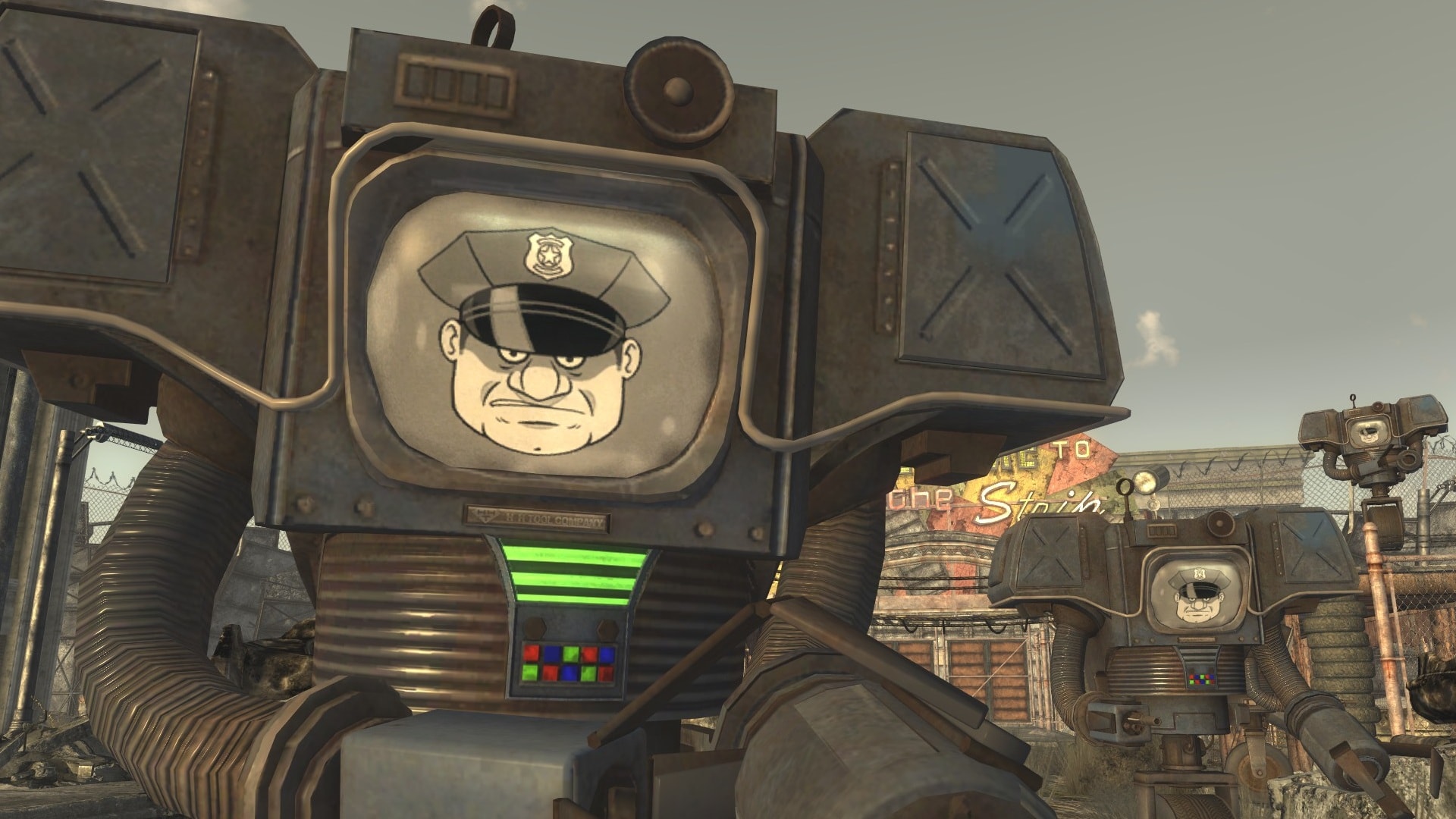
Gamers often wonder why large-scale, fully realized urban environments are so rare in modern role-playing games (RPGs). In a recent video blog, Obsidian Entertainment design director Josh Sawyer addressed this issue, identifying production complexity and high costs as the primary obstacles. According to Sawyer, developing urban environments costs developers roughly four times more per square metre than designing dungeons.
Why Are Cities So Difficult to Build?
When players enter a major city in a game, they expect detailed architecture, numerous interactive characters, and a vibrant atmosphere. Sawyer explains that constructing such an environment requires immense resources. Unlike isolated dungeons, where designers can adhere to specific constraints, a city demands complex logistics, functional building layouts, and a vast amount of content that consumes significant development time. During production, city design often becomes the most difficult barrier, as it requires a delicate balance between visual density and technical optimization.
Exceptions and Successful Examples
Despite these challenges, there are projects in video game history that have successfully created convincing urban environments. Sawyer highlighted the city of Athkatla from Baldur's Gate 2, as well as Disco Elysium and Zero Parades. He noted that the latter titles had a distinct advantage: they did not require the same level of intensive combat mechanic integration as traditional RPGs. Other notable examples, such as Cyberpunk 2077 or the third act of Baldur's Gate 3, further illustrate Sawyer's argument. The development cycles for these games were exceptionally difficult and demanding, which is directly linked to the technical challenges of creating urban levels. In the case of Cyberpunk 2077, the scale and detail of Night City served as a massive test for the studio, while in Baldur's Gate 3, the city segment was where the game's technical limitations were most apparent.
What This Means for Players
Urban adventures are among the most appealing aspects of games for players, as they offer the opportunity to explore a world in depth. Although creating such locations is often economically disadvantageous for studios, players continue to value developers who take these risks. In the future, improvements in procedural generation via artificial intelligence may lower the costs of creating urban environments. Until then, we will likely continue to see rare but massive cities that stand as the pinnacle of game design.