Why Apple Added a Touchscreen to the New MacBook Pro
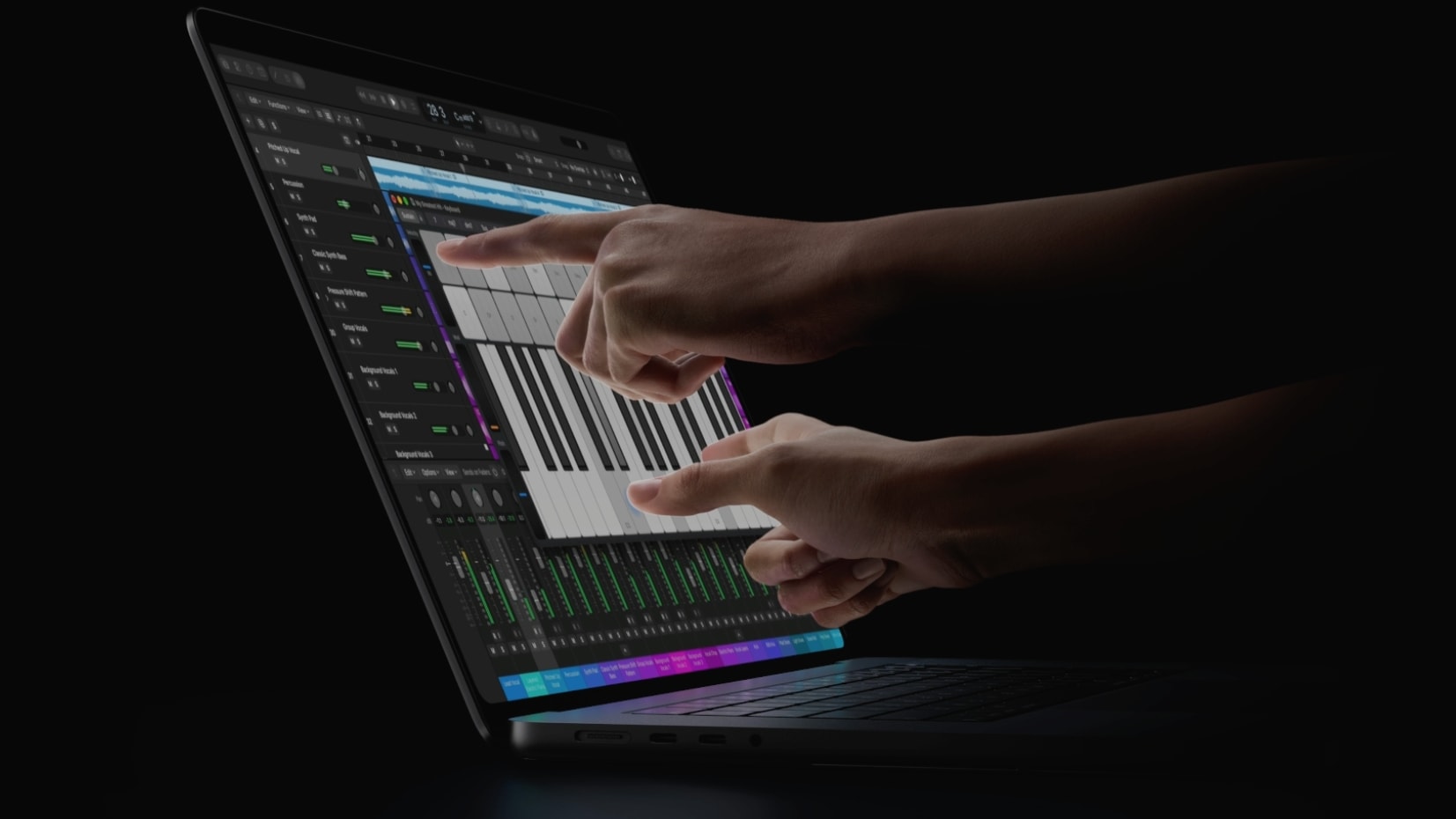
For years, Apple maintained a firm stance against touchscreens on the MacBook line, consistently emphasising that the Mac is a tool built for the keyboard and trackpad. However, with the launch of the new generation MacBook Pro, the company has shifted its approach. According to senior executives, technological advancements have finally allowed them to integrate touch capabilities without compromising the laptop's core concept.
A Touchscreen as an Additional Feature
John Ternus, Apple’s head of hardware engineering, explains that the MacBook Pro remains an "indirect input device." This means that the keyboard and trackpad remain the primary tools for the user, with the touchscreen serving as an added convenience for specific situations. Greg Joswiak, Apple’s head of marketing, noted that the decision was driven by demand from professional users. He stated that a new generation of creative professionals is already accustomed to touch interfaces, making the MacBook feel less intuitive without this functionality.
Overcoming Technological Barriers
Integrating a touchscreen was not a simple task. Apple executives stressed that they did not want to increase the weight or thickness of the laptop. The new OLED screens, which Apple describes as the best in its history, allowed for the integration of a touch layer without altering the device's design. Furthermore, engineers addressed several technical challenges:
- The thermal architecture was redesigned to prevent the screen from overheating during operation.
- A special anti-reflective coating was applied to reduce the visibility of fingerprints.
- The screen hinges were reinforced to ensure stability while using the touch interface.
What This Means for Users
The new MacBook Pro models are already available for pre-order, with sales beginning on November 6. The starting price is $2,899. This move indicates that Apple is willing to meet modern user expectations while still adhering to its own standards. For users who rely on Apple technology for professional work, this update may provide an opportunity to optimise their workflows. While traditional input methods remain the priority, the addition of a touchscreen marks a significant step in the evolution of the Mac ecosystem.