What to Do With Your Older Nest Thermostats After Support Ends
Google has ended support for its legacy devices, but you still have options for your hardware.
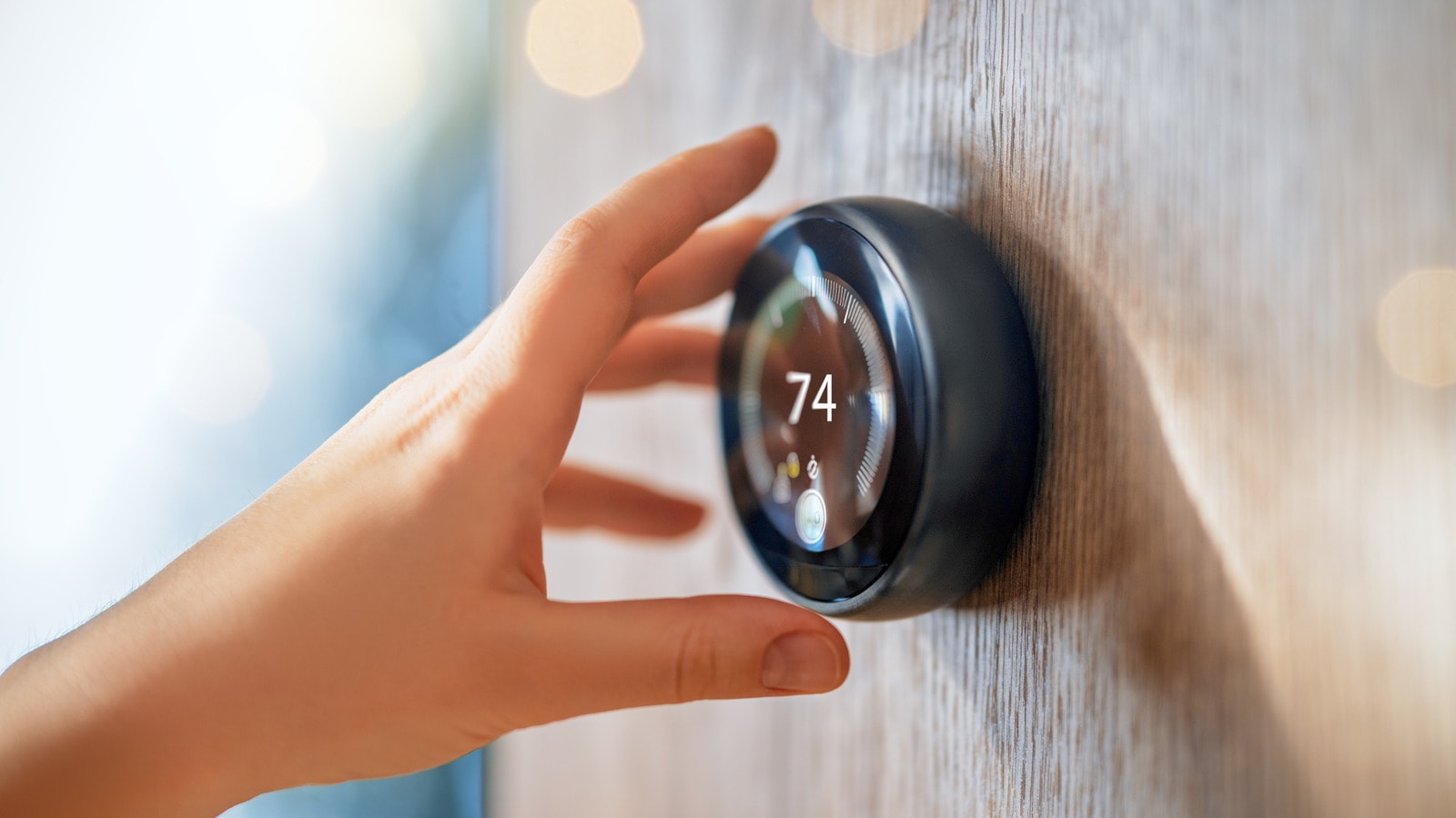
Google has recently disappointed many users by officially ending support for its first and second-generation Nest Learning Thermostats. While we have grown accustomed to frequent updates for smartphones and computers, a thermostat is a device we rely on for years, often over a decade. For many, the sudden decommissioning of these devices after 14 years of operation came as a surprise.
What changes for the user?
It is important to note that your thermostat has not completely broken down. The device will continue to perform its primary function: you can manually adjust the temperature and use the built-in automatic scheduling features. However, due to the shutdown of Google’s cloud services, the device is no longer connected to mobile apps and will no longer receive software updates. Consequently, remote control capabilities and additional smart features have been completely disabled.
Alternative paths: The 'No Longer Evil' project
If you are technically proficient and want to revive your old device, there is an open-source project called No Longer Evil. This solution involves installing alternative firmware on the thermostat. This approach allows you to connect the device to the Home Assistant ecosystem or your own server, which partially replaces the functions disabled by Google.
However, this process carries certain risks. Incorrect actions could potentially brick the device, leaving it unable to function even in its standard, non-smart mode. Therefore, carefully weigh your technical capabilities before taking this step.
Proper disposal and new choices
If you do not wish to repair the device, the best course of action is to recycle it. Google offers a free recycling programme where you can send the device back using a prepaid shipping label. For security purposes, be sure to perform a factory reset before handing it over to ensure your personal data is erased from the device.
When purchasing a new thermostat, pay attention to energy efficiency. Modern models can detect human presence in a room and synchronise with weather forecasts, which significantly reduces electricity costs. Many energy companies offer special discounts or rebates on smart thermostats, which can substantially lower the cost of a new model.
Ultimately, if your home’s temperature regime is stable and you do not require remote control, you can continue to use your old Nest based on its schedule. However, if you are focused on modern comfort and energy savings, upgrading to a new model will be a much more profitable investment in the long run.