What Power Bank Capacity Do You Need to Charge Your Laptop?
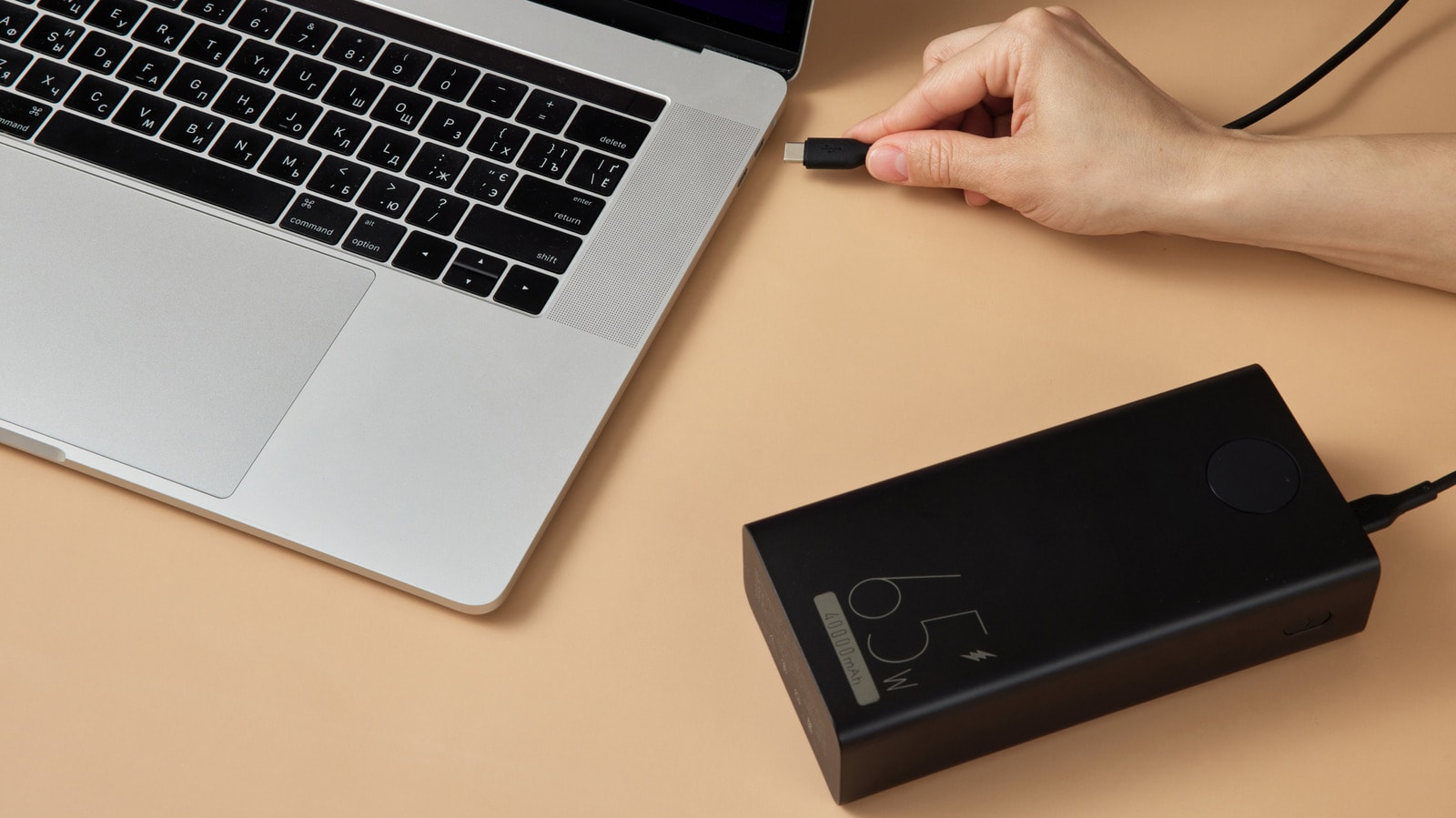
Why Capacity Isn't Everything
Consumers often focus solely on capacity (mAh) when selecting a power bank, which is insufficient for laptops. Unlike smartphones, portable computers require significantly more power. Therefore, it is important to consider not just how many times a charger can fully recharge your device, but also the speed at which it can deliver energy.
The Importance of Wattage
If the power bank's output (measured in Watts) is lower than the minimum threshold required by your laptop, the charging process may not start at all. Alternatively, the laptop may consume power faster than it receives it. In such cases, the device will continue to drain its battery even while connected to the external power source.
Experts advise checking your laptop charger’s specifications before purchasing a power bank. In most cases, modern laptops require a port capable of at least 45W or 65W for stable operation. It is essential to ensure the power bank supports the Power Delivery (PD) standard, which ensures safe and efficient energy transfer.
Key Considerations
- Wattage: Ensure the power bank meets your laptop's minimum power requirements.
- Ports: Verify that the device features a USB-C port that supports fast charging.
- Compatibility: Always compare the power bank's technical data against the parameters of your laptop's original charger.
There is a wide variety of portable technology available in Georgia. However, when purchasing this type of accessory, we recommend focusing not just on the brand, but on the technical details listed on the back of the device. A correctly selected power bank will prove to be an indispensable companion for your laptop during long trips or when you lack access to a mains power source.