What Is Heart Rate Variability (HRV) and Why Does It Matter?
Understanding the vital data behind your recovery and stress levels.
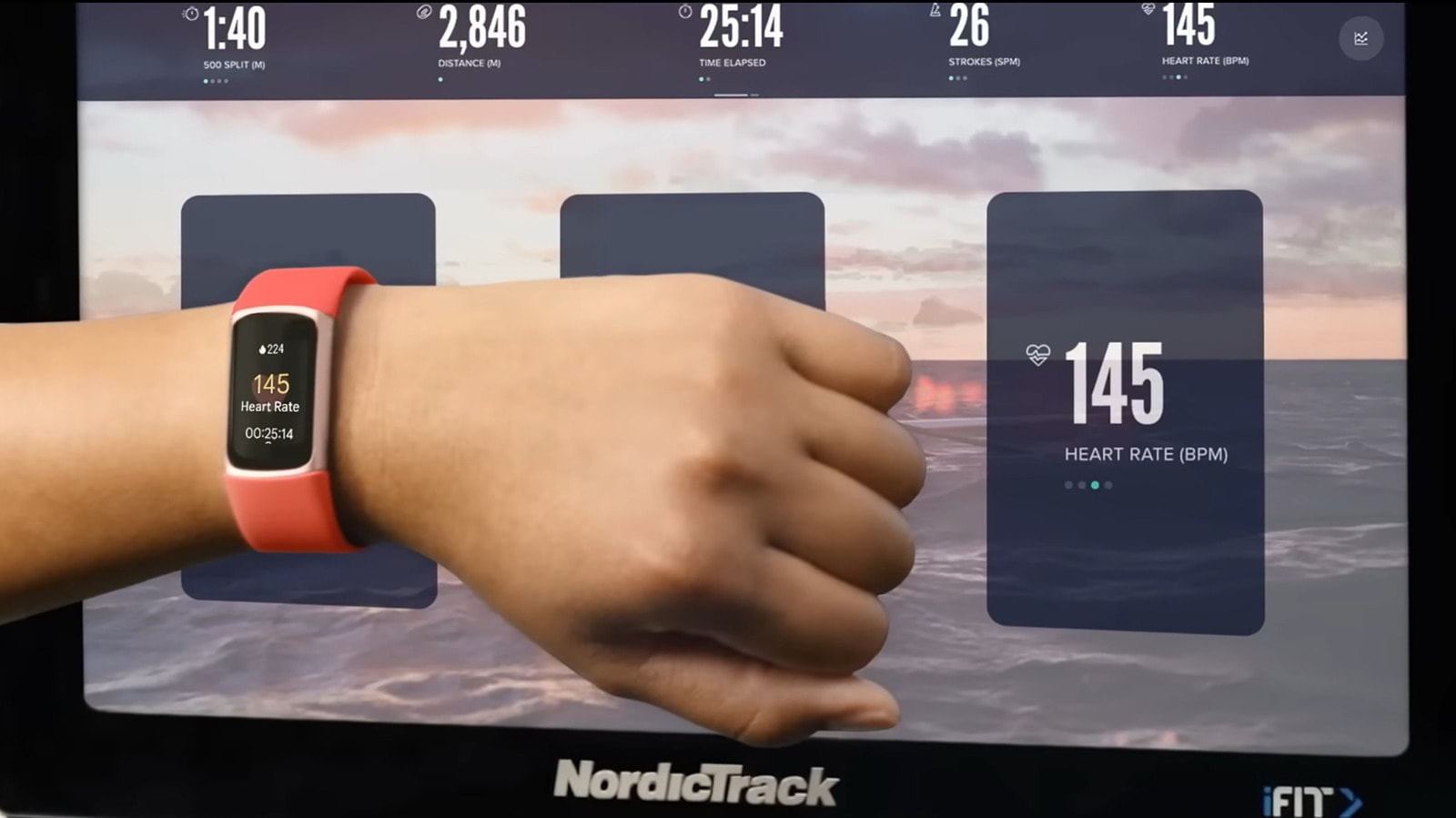
The Essence and Importance of HRV
If you see a metric called HRV (Heart Rate Variability) in your Fitbit app alongside your heart rate, you might find it difficult to interpret. Heart Rate Variability is not a metric that requires "improvement" or comparison against a standard benchmark. It represents the time interval between heartbeats, measured in milliseconds, and is directly linked to the function of your autonomic nervous system. Simply put, HRV shows how effectively your body handles stress and how well it recovers after exertion.
It is important to remember that this data is highly individual. There is no universal "good" or "bad" score; what is normal for one person may be alarming for another. This is why the methodology used by Google for Fitbit devices—the Root Mean Square of Successive Differences (RMSSD)—focuses on your personal, historical data rather than general statistics.
How Fitbit Measures Your Data
Fitbit devices calculate HRV during sleep. The device analyzes the longest period of sleep within a 24-hour window, requiring a minimum of three hours of rest. You can view this data in the Google Health app under the "Vitals" section, which displays both daily trends and your personal range accumulated over the last 30 days.
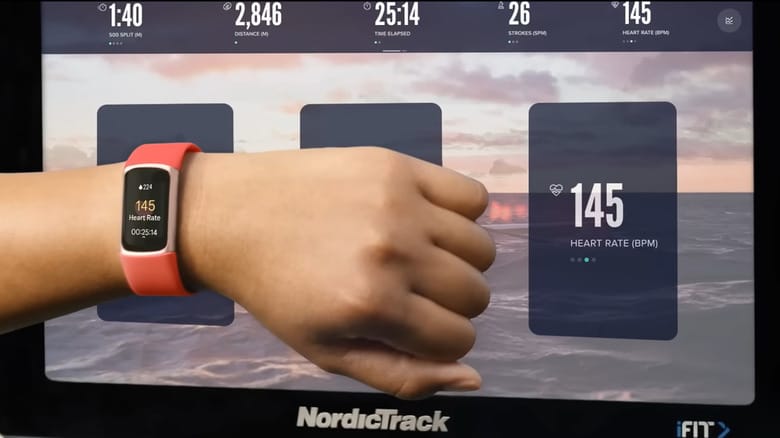
It is worth noting that comparing devices from different brands is difficult. For example, the Apple Watch uses a different calculation method (SDNN), meaning the same person might see different results on a Fitbit versus an Apple Watch. Furthermore, the accuracy of optical sensors is influenced by both the device's position on the wrist and user movement.
When Should You Pay Attention to Changes?
HRV levels can fluctuate due to lack of sleep, intense exercise, stress, or alcohol consumption. If you notice that your HRV is consistently low, it may be a sign that your body needs more rest. However, a single low reading does not indicate illness. Google’s "Readiness Score" algorithm combines this data with sleep quality and heart rate to assess your physical state.
If your HRV changes dramatically and persistently, and is accompanied by other symptoms, it is best to consult a doctor. Fitbit is an excellent tool for observing trends, but it is not a medical diagnostic device. For monitoring your health, tracking long-term changes is most important, as it allows you to better understand your body's needs.