What is an NPU and Why Is It in Modern Laptops?
Understanding the neural engine driving the next generation of computing.
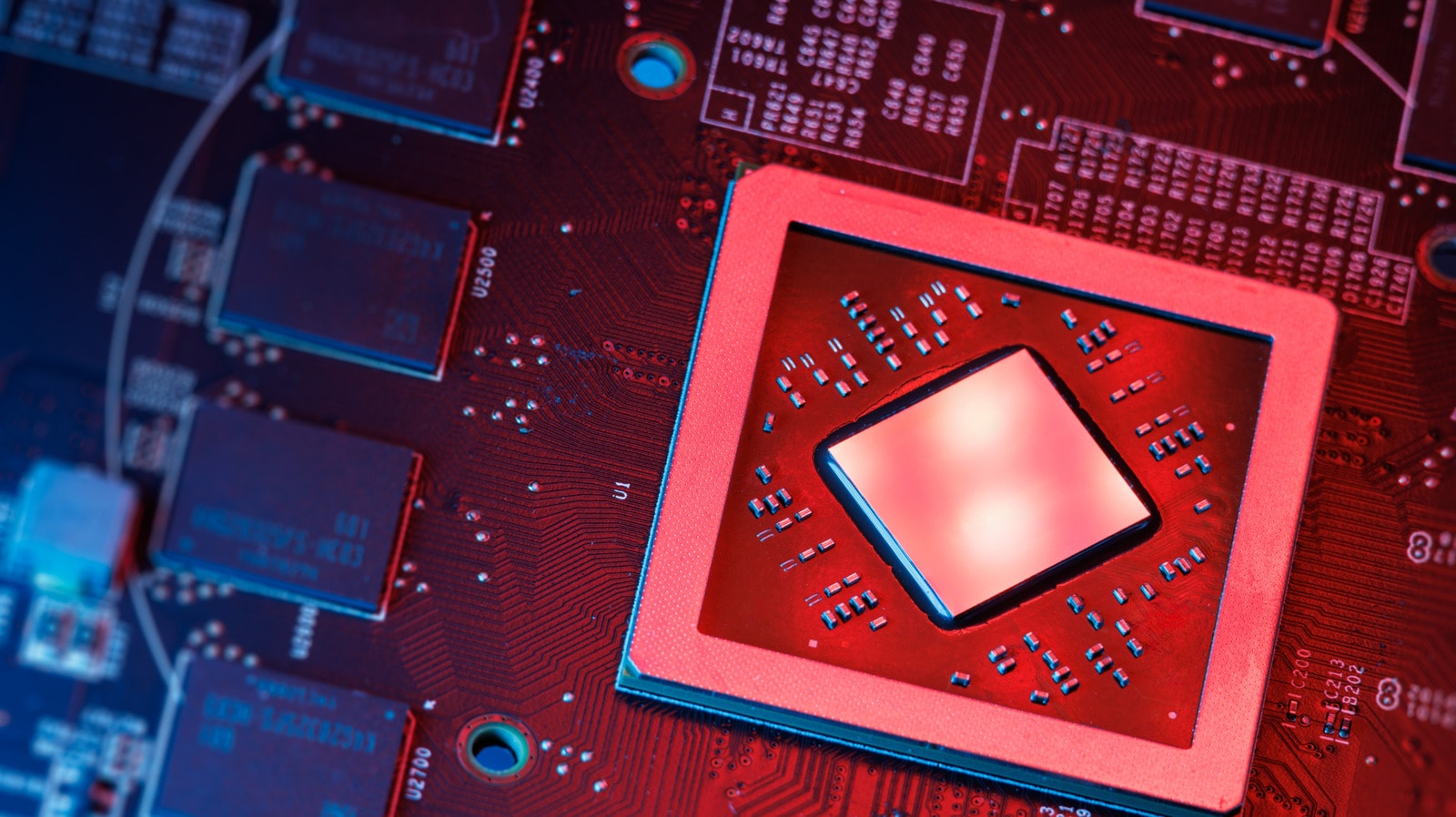
In recent times, those shopping for new laptops have frequently encountered the term NPU (Neural Processing Unit). This specialized component is designed to execute artificial intelligence tasks with maximum efficiency. While most mid-to-high-end laptops on the market are now equipped with this chip, many users are still not fully utilizing its potential.
Why do we need an NPU?
Traditionally, data processing in a computer has been the domain of the Central Processing Unit (CPU) and the Graphics Processing Unit (GPU). However, artificial intelligence algorithms, which rely on matrix calculations, are quite energy-intensive for these components. The primary advantage of an NPU is its energy efficiency: a task that might consume over 100 watts on a GPU can be performed by an NPU in approximately 2 watts.
This is particularly significant for everyday functions like background blur during video calls, noise cancellation, or real-time translation. By offloading these tasks to the NPU, the laptop's battery lasts significantly longer, and the device itself generates less heat.
Microsoft's influence and standards
The widespread adoption of NPUs is no accident. In 2024, Microsoft established a new standard for Copilot+ PC certification. Manufacturers are required to include an NPU in new devices with a performance of at least 40 TOPS (Tera Operations Per Second). This requirement must be accompanied by a minimum of 16GB of RAM and 256GB of storage.
As a result, chip manufacturers—Qualcomm, Intel, and AMD—are actively increasing the power of their NPUs. For instance, Qualcomm’s Snapdragon X Elite launched with 45 TOPS, while new-generation chips are already reaching 85 TOPS. Despite these rising figures, software capabilities are currently lagging behind the hardware.
Real benefits and future outlook
As of today, NPU support is available in applications such as Windows Studio Effects, certain Adobe Creative Cloud features, and Teams' noise cancellation systems. Users can easily monitor NPU load in real-time via the Task Manager, though for the average user, this figure often remains at zero.
However, tech-savvy users can leverage the NPU to run local models, such as Mistral 7B. By using specialized tools like Intel OpenVINO, it is possible to run AI models while keeping CPU load minimal, allowing the system to operate quickly and stably.
Ultimately, the NPU is a technology designed for the future. Until software developers adapt more applications to these chips, the NPU will remain a hidden but essential component that will become an integral part of standard laptops in the coming years. For users buying a new laptop today, the presence of an NPU means the device is prepared for future AI-based updates, which extends the overall longevity of the hardware.