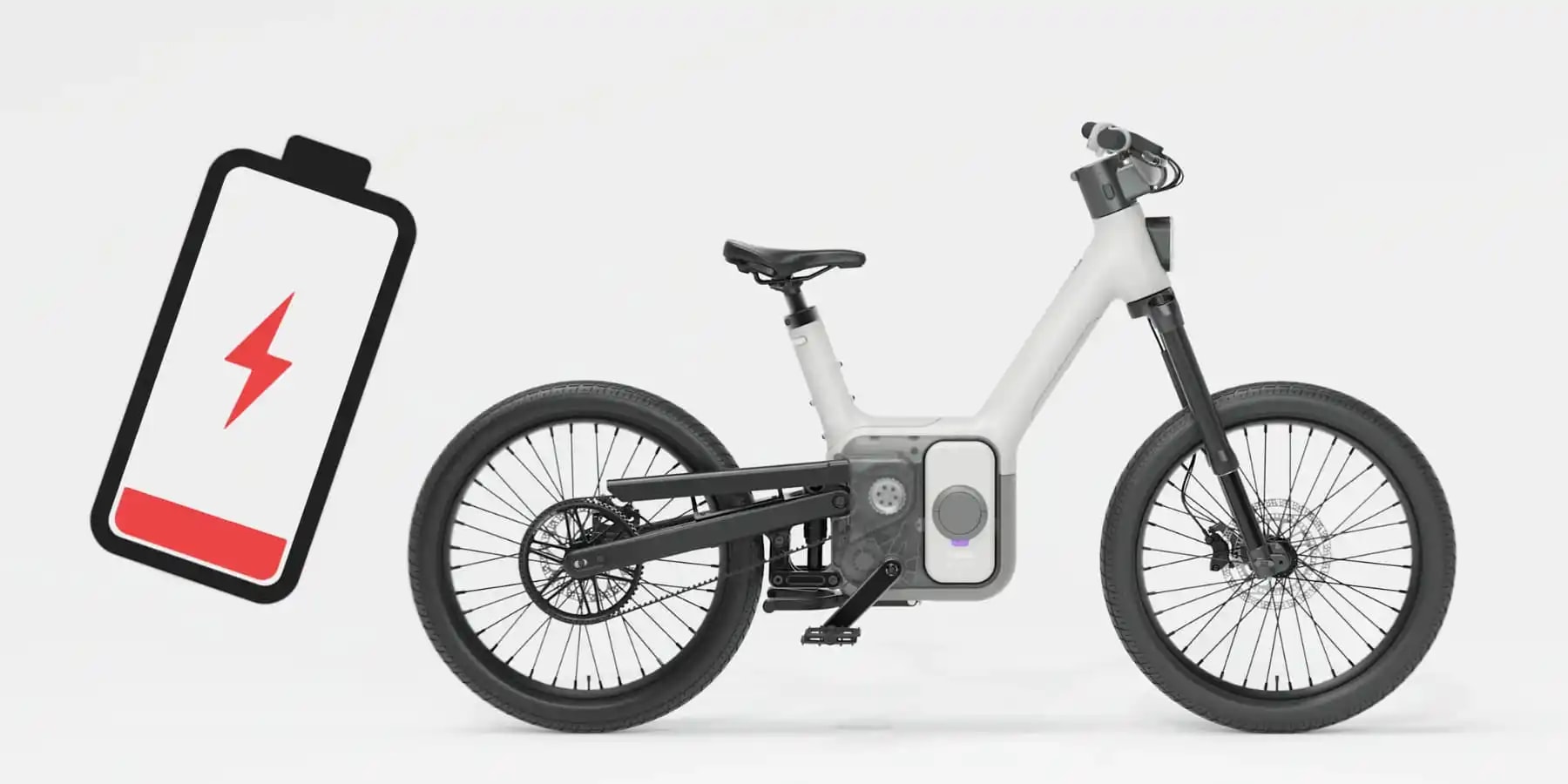
What happens when the ALSO TM-B electric bike runs out of battery?
Exploring the limits of the drive-by-wire e-bike
An innovative system and its challenges
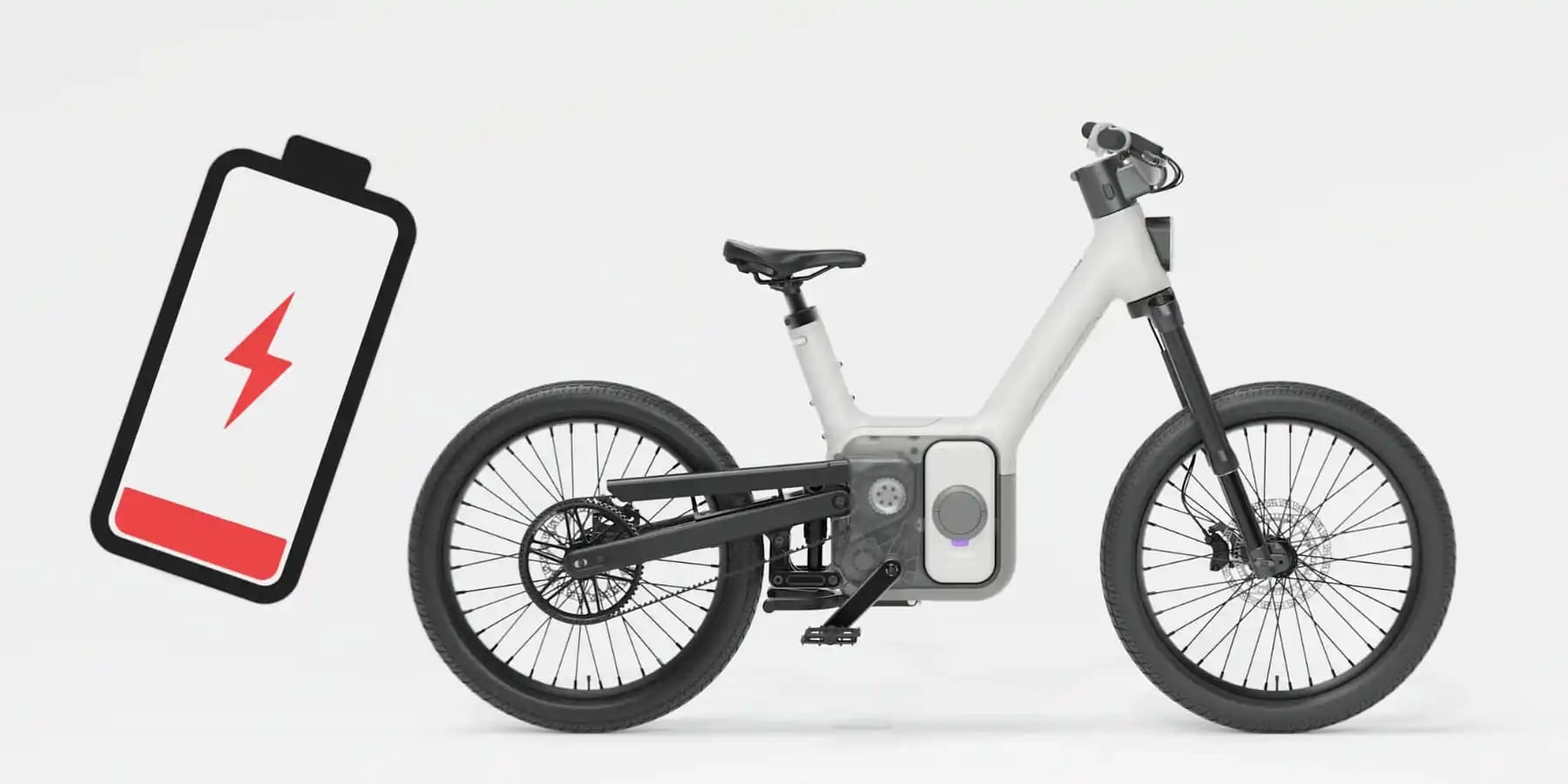
The ALSO TM-B is one of the most distinctive e-bikes on the market. Its primary innovation is its 'drive-by-wire' system, meaning there is no chain or belt connecting the pedals to the rear wheel. Instead, pedalling generates electricity, which then powers the rear motor. This approach allows the bike to simulate gear shifting and provide additional power, but it raises a logical question: what happens when the battery hits zero?
What is 'Infinite Turtle Mode'?
A user recently decided to test this scenario in practice. The experiment revealed that as the battery depletes, the system gradually restricts the level of assistance. When energy levels drop below 4%, the bike automatically switches into a mode dubbed 'Infinite Turtle Mode'. At this point, the system stops drawing from the battery and attempts to transfer the energy generated by pedalling directly to the rear wheel. The principle is similar to old-fashioned mechanical torches that stay lit only as long as you keep winding them.
On flat roads, this mode is reasonably effective and allows for movement at a moderate speed. However, on inclines, the situation changes drastically. Because the bike lacks physical gears and relies entirely on software, gear shifting is locked in low-energy mode. Consequently, riding uphill becomes extremely strenuous, and the bike turns into a heavy, cumbersome piece of transport.
Technical flaws and expectations
The experiment also uncovered other issues. For instance, the bike frequently lost power while stationary, likely due to the system searching for a mobile connection. On one occasion, the system even stopped recognising the battery, making it impossible to charge until the user utilised a physical reset button located under the frame.
This case demonstrates that technological progress brings new risks. While 'Infinite Turtle Mode' allows you to reach your destination even if the battery is fully depleted, the system still requires refinement. For those interested in such innovative transport, it is important to consider that software can present unexpected surprises. The manufacturer still has significant work to do to make such complex systems fully reliable for everyday use.