Webex Gains iPhone Duo Support: New Capabilities Revealed
The latest update optimizes the communication platform for Apple's foldable hardware
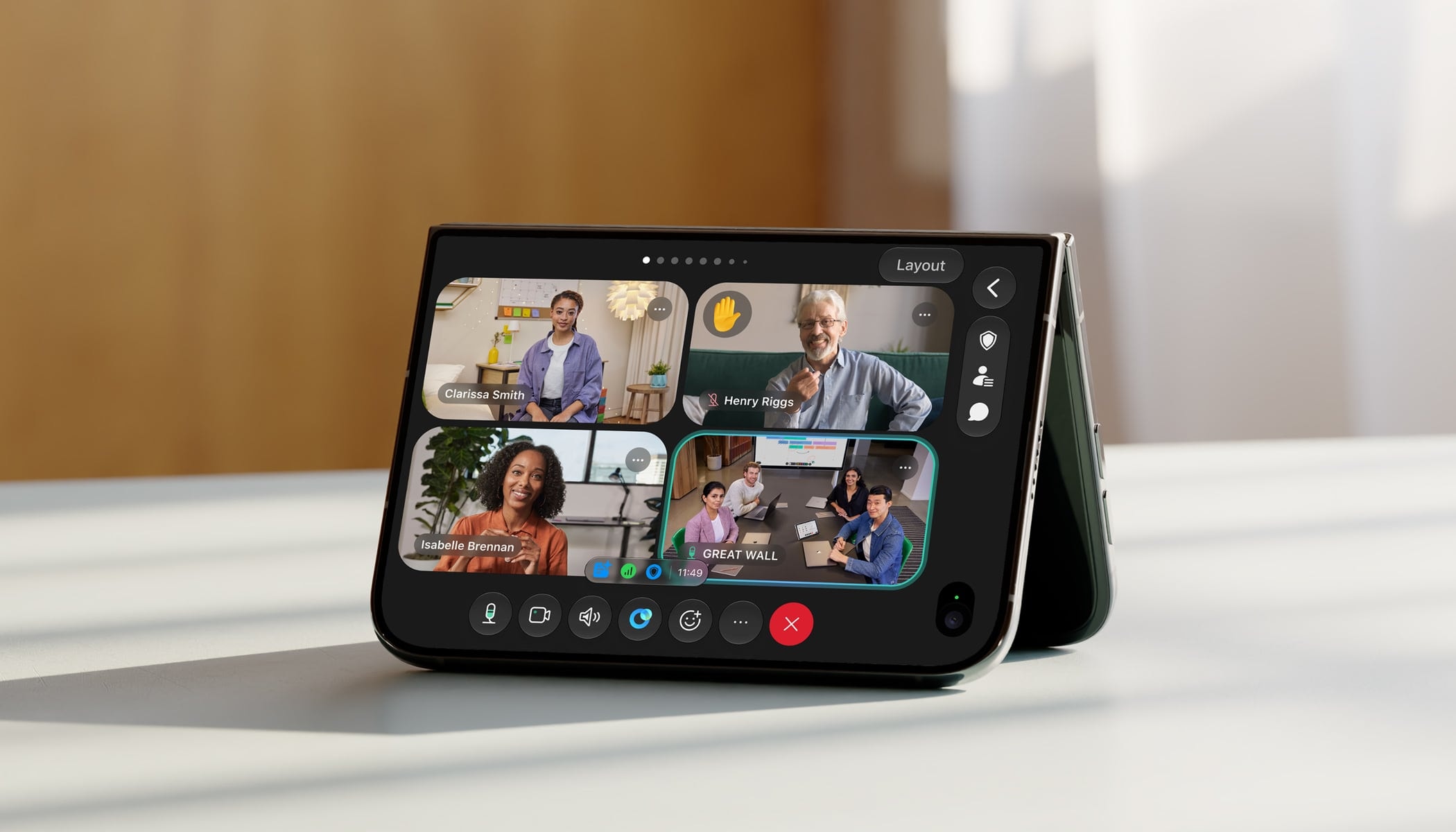
New Features for Foldable Smartphones
Cisco’s video conferencing application, Webex, has received a major update focused on maximizing the potential of Apple’s innovative iPhone Duo. The application is now fully optimised for the device’s various states, whether in folded or unfolded formats, portrait or landscape modes, or even a laptop-like posture.
When a user unfolds the iPhone Duo, Webex automatically leverages the larger screen area. In expanded mode, the app displays more participants during video calls, while shared content remains consistently visible. Furthermore, users gain access to an interactive whiteboard, making remote collaboration significantly more efficient. Split View support also allows Webex to be used alongside other applications, a vital feature for multitasking.
New Camera Capabilities and Artificial Intelligence
One of the most compelling aspects of the update is Webex Mobile Camera Share. When the iPhone Duo is placed in a laptop-like position, users can live-stream their smartphone camera view. This feature is particularly useful during meetings, as participants can not only see real-time processes but also annotate directly onto the video feed.
Beyond visual enhancements, Cisco has added the Webex Notetaker Agent to the app. This AI-powered tool transcribes face-to-face conversations and generates meeting summaries. The agent automatically highlights key points and creates action item lists, greatly simplifying post-meeting workflows.
What This Means for Users
This Webex update marks another step toward the adoption of foldable smartphones in the business sector. iPhone Duo owners in Georgia can now update the application via the App Store. For those who rely on video calls for their work, these features will significantly streamline daily communication.
Notably, these solutions from Cisco highlight a trend where software is increasingly tailored to match hardware specifications. As mobile devices evolve, such features are becoming standard, rendering the work environment more flexible and mobile.