We Chose to Go to the Moon: A Unique Documentary on the Space Race
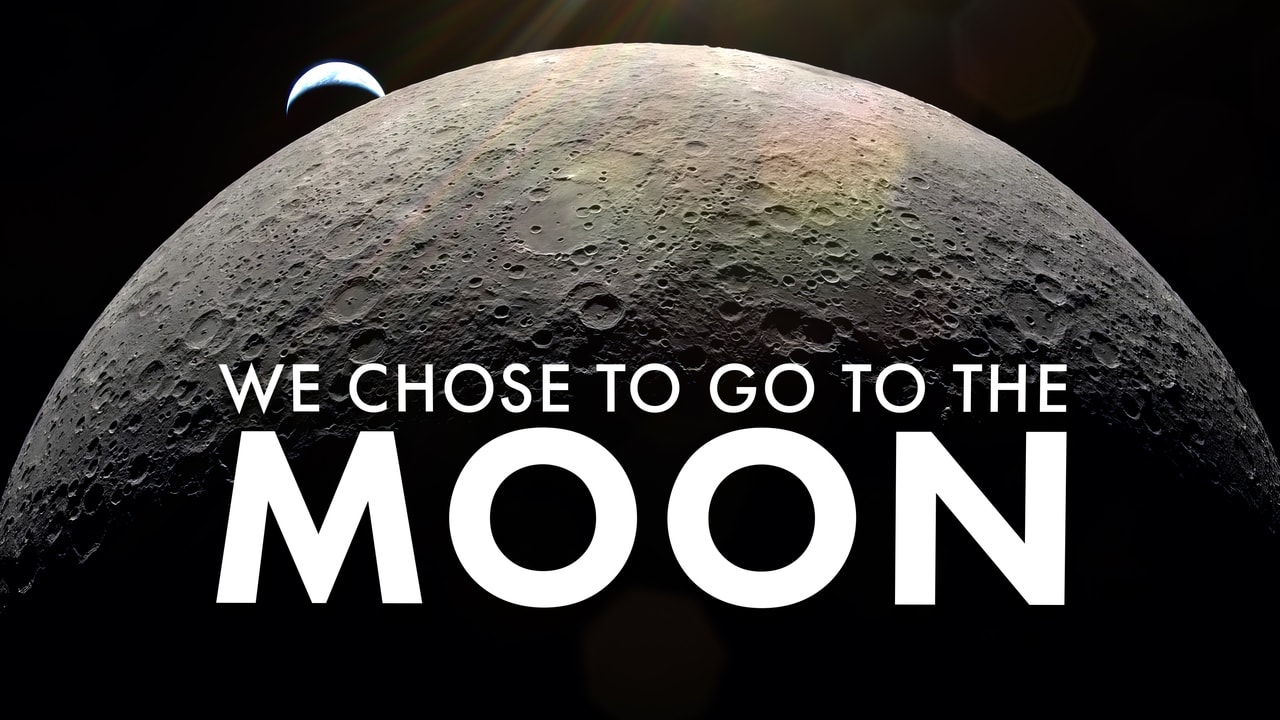
Space History from a New Perspective
The history of the space race and the Apollo missions, a defining symbol of human technological progress, returns in an unconventional format. A joint project between RadicalMedia and PBS titled "We Chose to Go to the Moon" offers viewers more than just a documentary; it is a "living" historical narrative that combines theatre, live music, and archival footage.
Directed by Tony Award winner Michael Mayer, the project was originally staged at Carnegie Hall in New York. It will be available to a wider audience starting November 10 via PBS platforms. The film's introduction is provided by Oscar-winning director Ron Howard, who prepares the audience for an era when landing on the moon was the ultimate impossible dream turned into reality.
Star-Studded Cast and Historical Figures
The script was written by and features historian John Monsky as the narrator. The production boasts an impressive cast, including Skylar Astin, Elizabeth Gillies, and Claybourne Elder. They portray the historical figures who made the space program a reality: astronauts Neil Armstrong, Buzz Aldrin, Michael Collins, and Ed White, as well as their families and mission control staff such as Poppy Northcutt and mathematician Katherine Johnson.
Under the musical direction of Ian Weinberger, the Orchestra of St. Luke’s performs iconic songs from the era. Viewers will hear hits such as "Fly Me to the Moon," "Rocket Man," and "Space Oddity." A particularly emotional moment is the tribute to Neil Armstrong, performed by his son, Mark Armstrong, and his grandson, Kali Armstrong.
Why It Matters
"We Chose to Go to the Moon" is not merely a technical record of lunar missions. It is a human story that utilizes rare archival footage and historical artifacts brought back from the moon to convey the responsibility and risk inherent in space travel. The project places special emphasis on the dramatic Apollo 13 mission, considered one of the greatest tests in the history of space exploration.
For audiences in Georgia interested in science and the history of space technology, such projects are noteworthy for how modern media popularizes complex technical achievements through a cultural lens. Although the project is built around American space history, it reflects events of global significance that can serve as a source of inspiration for any technology enthusiast.