Waymo Under Scrutiny Over Autonomous Vehicle Safety Concerns
Regulators are questioning the effectiveness of the company's software updates following reports of ongoing safety incidents.
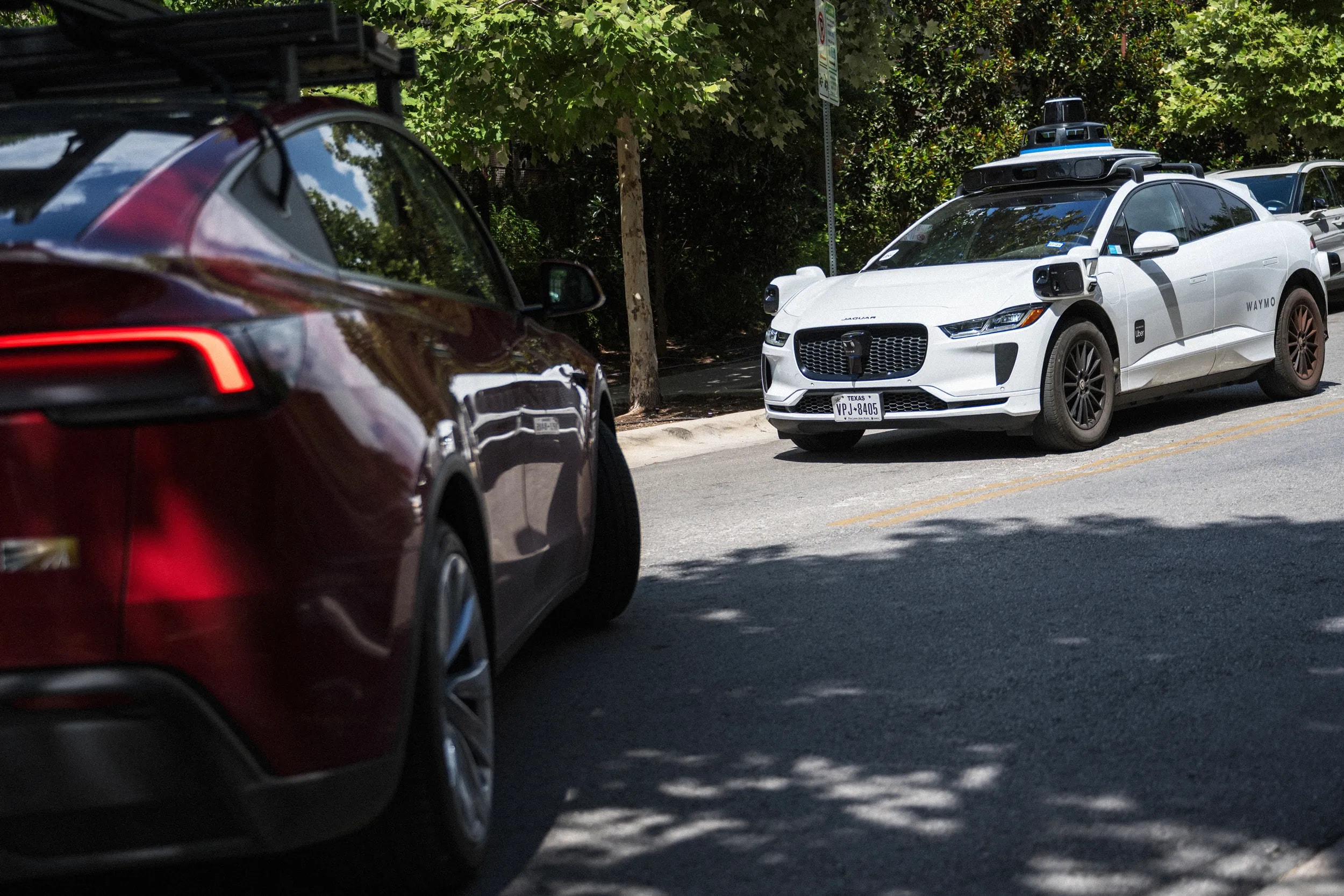
Waymo, a leader in autonomous driving technology, is once again under the microscope of American regulators. The National Highway Traffic Safety Administration (NHTSA) is investigating the effectiveness of a software update deployed by the company last year, which was intended to eliminate dangerous incidents involving school buses.## The Core of the IssueThe issue concerns robotaxis passing school buses that have their red lights flashing and stop signs extended. These signals indicate that the bus is loading or unloading students. In every US state, passing such a vehicle is strictly prohibited by law and poses a severe threat to children's lives.Waymo released a software update to address this flaw in mid-November and initiated a voluntary recall in December. However, according to regulatory data, most incidents involving school buses were recorded after these dates. Furthermore, the National Transportation Safety Board (NTSB) documented an incident as recently as January of this year, suggesting that the software "fix" was not comprehensive.## Company Position and Future ChallengesWaymo spokesperson Dana Gallagher stated that the company has significantly improved how its vehicles interact with school buses. According to Gallagher, Waymo vehicles have not received any citations for such violations since March of last year. The company maintains that it is prepared to continue cooperating with regulators as its autonomous systems remain in a constant process of learning and development.Interestingly, the company has also actively collaborated with local schools to address the problem. For instance, the Austin school district granted Waymo the opportunity for specialized practical testing, where robotaxis were tasked with interacting with real buses and signals. Despite these data collection efforts, incidents continued for some time.## Why This MattersIn road safety, investigations of this nature often conclude with significant financial sanctions. In similar precedents, automakers and software developers have been forced to pay tens of millions of dollars in fines. For countries where autonomous transport development is still in its early stages, this story serves as an important lesson. It demonstrates that integrating artificial intelligence into transport systems requires not only technical perfection but also strict regulations and continuous monitoring to ensure that technology does not violate safety standards in the real world.