Volkswagen’s New Move in the EV Market: The ID. AURA L5
The German automaker is leveraging Chinese technological expertise to reshape its electric vehicle strategy.
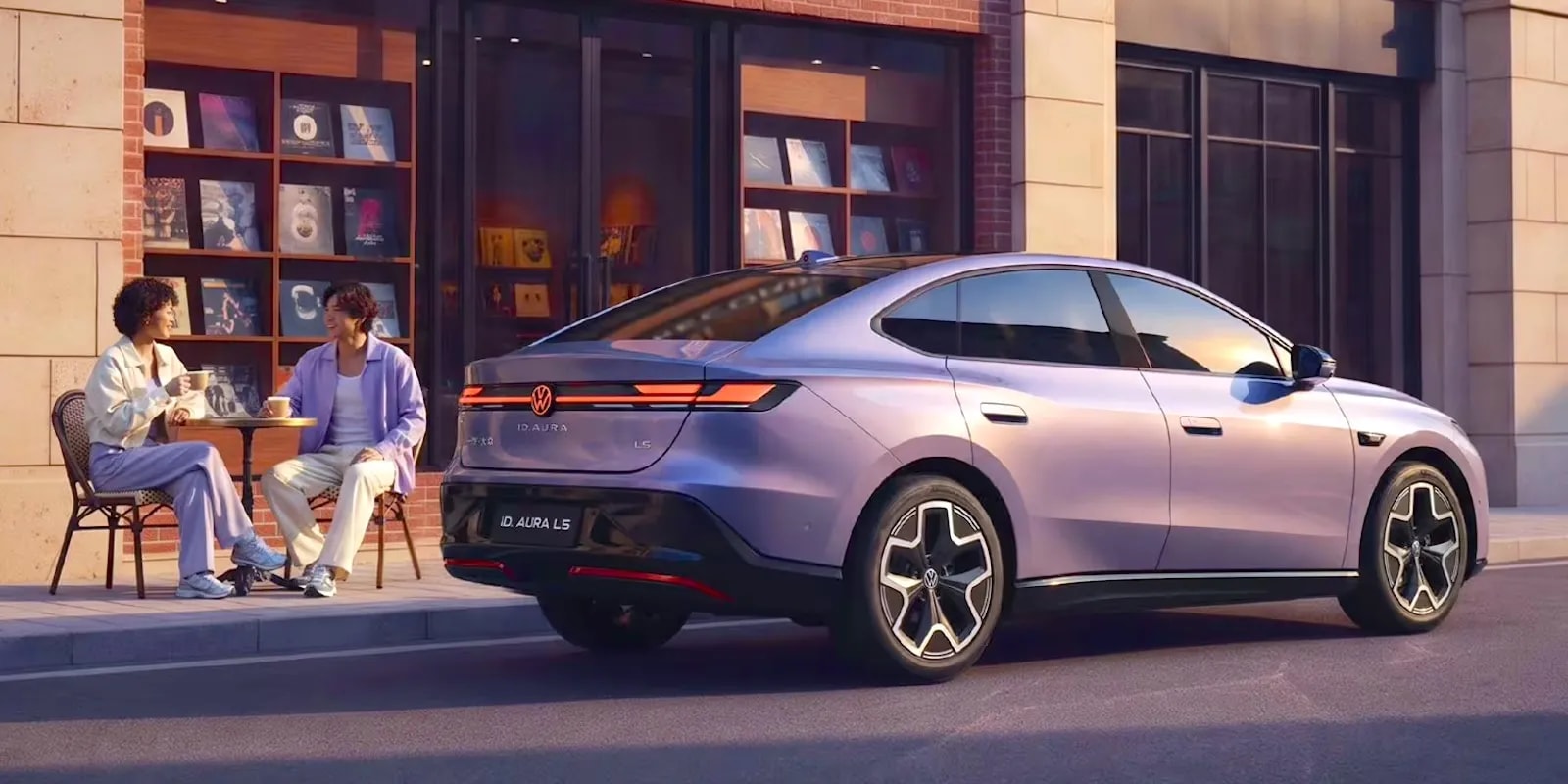
A New Era for Volkswagen
Historically renowned for producing accessible, mass-market vehicles, Volkswagen is currently facing a significant challenge. The company is striving to return to its roots by creating an electric vehicle that is affordable for the general public. As part of this strategy, the new FAW-VW ID. AURA L5 aims to compete directly with popular models like the Tesla Model 3.
Design and Practicality
The ID. AURA L5 was developed through a collaboration between Volkswagen’s Chinese and German teams. The vehicle features a fastback-style rear, frameless doors, and sophisticated, modern proportions. According to the manufacturer, the vehicle's construction allows for 84.4% of the cabin space to be used effectively. Notably, the electric tailgate opens at an angle of more than 70 degrees with an opening width of over 1,000 mm, significantly simplifying the transport of large cargo.
Software: The Key Advantage
The most compelling aspect of the ID. AURA L5 is its technological foundation. The car is equipped with Volkswagen’s new "Integrated Technology Matrix" (VEGA), the core of which is the China-developed Electronic Architecture (CEA). This system enables the vehicle to be more flexible, secure, and capable of continuous updates.
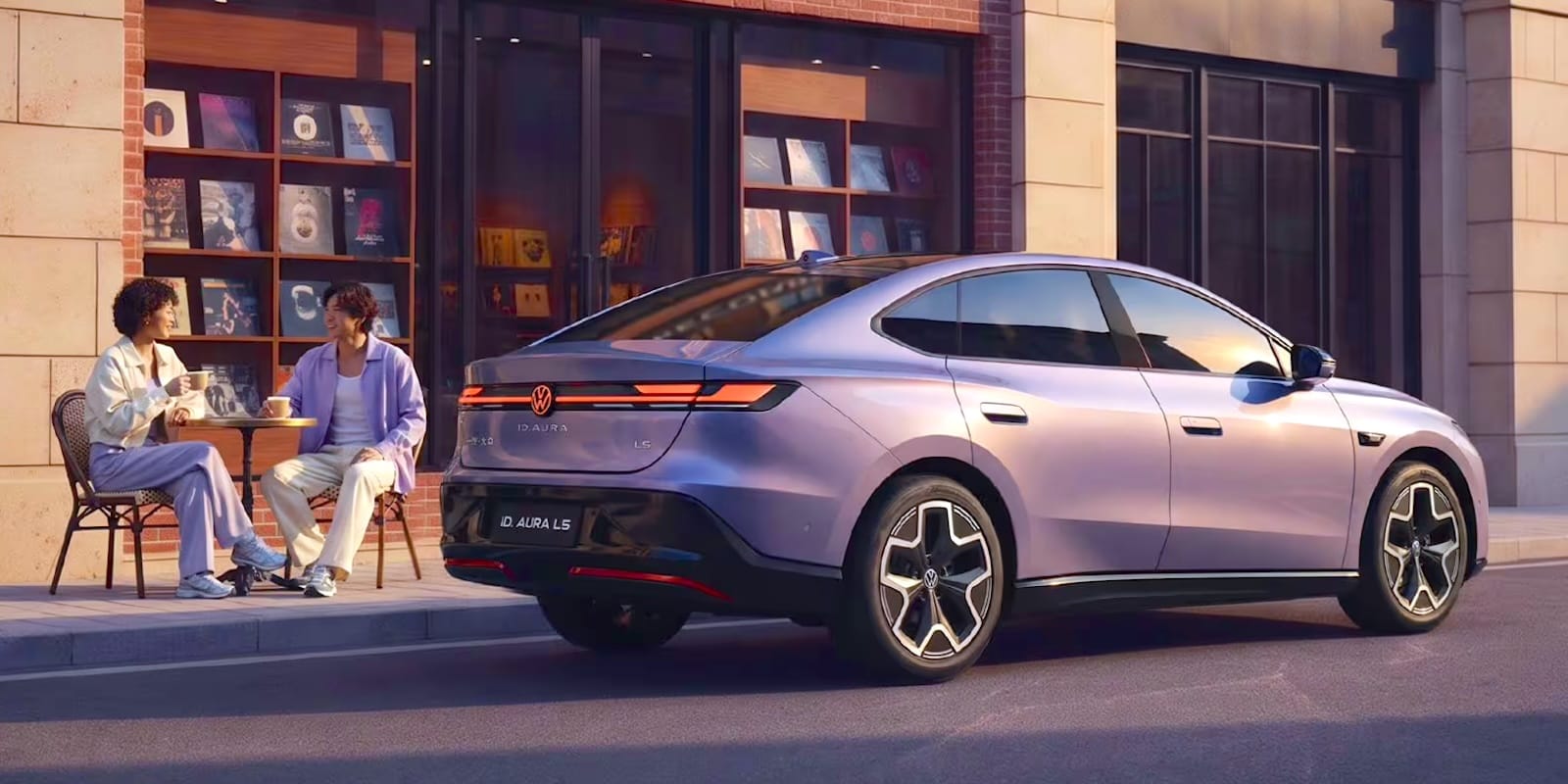
Volkswagen is actively utilizing artificial intelligence, specifically the C-Brain toolkit, to enhance the efficiency of the vehicle's software. The CEA system is already implemented in five new models, and the company is considering applying this Chinese expertise to the European market. Reports suggest that Volkswagen leadership is considering adopting this Chinese architecture for 75% of its models sold in Europe.
What Does the Future Hold?
The technical specifications of the ID. AURA L5, including a 155 kW (approximately 208 horsepower) electric motor, indicate that Volkswagen is making a serious push into the mid-size sedan segment. While exact battery parameters have not yet been disclosed, the car’s debut at the China International Import Expo (CIIE) clearly demonstrates the importance of the Chinese market to the German automaker.
For consumers, this development is significant as it shows Volkswagen’s attempt to address previous software shortcomings with a more flexible approach. If the company successfully transitions this Chinese technological expertise to its European models, it could radically transform the driving experience.