Vladimir Putin Calls Elon Musk a 'True Genius'
The Russian president has discussed his close ties with the tech billionaire and acknowledged the success of his satellite internet.
An Unexpected Assessment from the Russian President
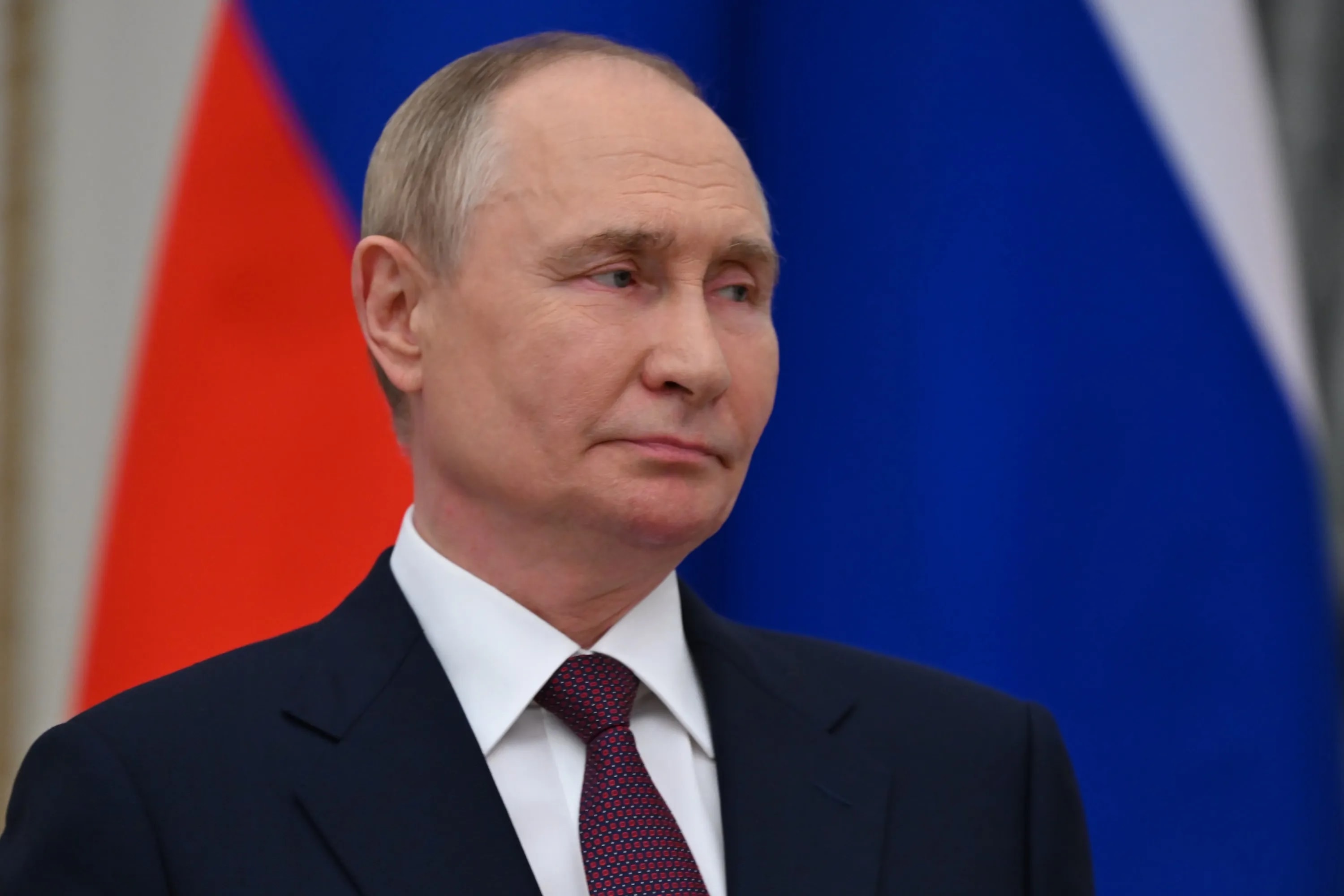
Russian President Vladimir Putin has openly praised Elon Musk, calling him a "true genius." Putin made the remarks at the Russia-Africa Summit, where he assessed the achievements of the SpaceX head, specifically the development of the Starlink satellite network. According to Putin, Musk has already managed to put more than 5,000 satellites into orbit, while Russia is only taking its first steps in this direction.
Furthermore, the Russian president noted that there is "close contact" between himself and Elon Musk. The discussion touched upon the Rassvet project, which is Russia’s attempt to create its own alternative to Starlink’s global satellite internet. This acknowledgment highlights how critical space technologies and global communication systems have become in modern geopolitical conflicts.
Starlink and the Ukrainian Front Line
Reports of a potential connection between Musk and Putin have caused serious concern within the international community. The Ukrainian defense forces actively use the military version of Starlink, Starshield, which is crucial for communications and drone operations on the front line. Ukrainian officials fear that any rapprochement between Musk and Russia could negatively impact Ukraine’s access to this critical technology.

Recently, frequent outages of Ukrainian drone communications have been reported, leading to speculation that SpaceX may have restricted access. Musk himself stated on the social network X that Ukraine had violated terms of service by using the technology for "offensive drone attacks." However, he emphasized that disabling Starlink would cause an immediate collapse of the Ukrainian front line, stating that this was merely a statement of fact rather than a threat.
What Awaits the Technology Sector?
Currently, the Starlink service is operating normally in Ukraine, though political tensions remain high. The partial easing of US sanctions against Russia has further intensified the discussion regarding the extent to which private technology giants can remain independent of state interests.
For countries like Georgia, which are also heavily dependent on modern technological solutions, this situation once again demonstrates how vulnerable critical infrastructure can be when it is in the hands of a single private individual or company. In the future, the use of such technological solutions for military purposes will likely require further regulation and international oversight.