VisionQuest: How the New Vision Finds His Own Identity
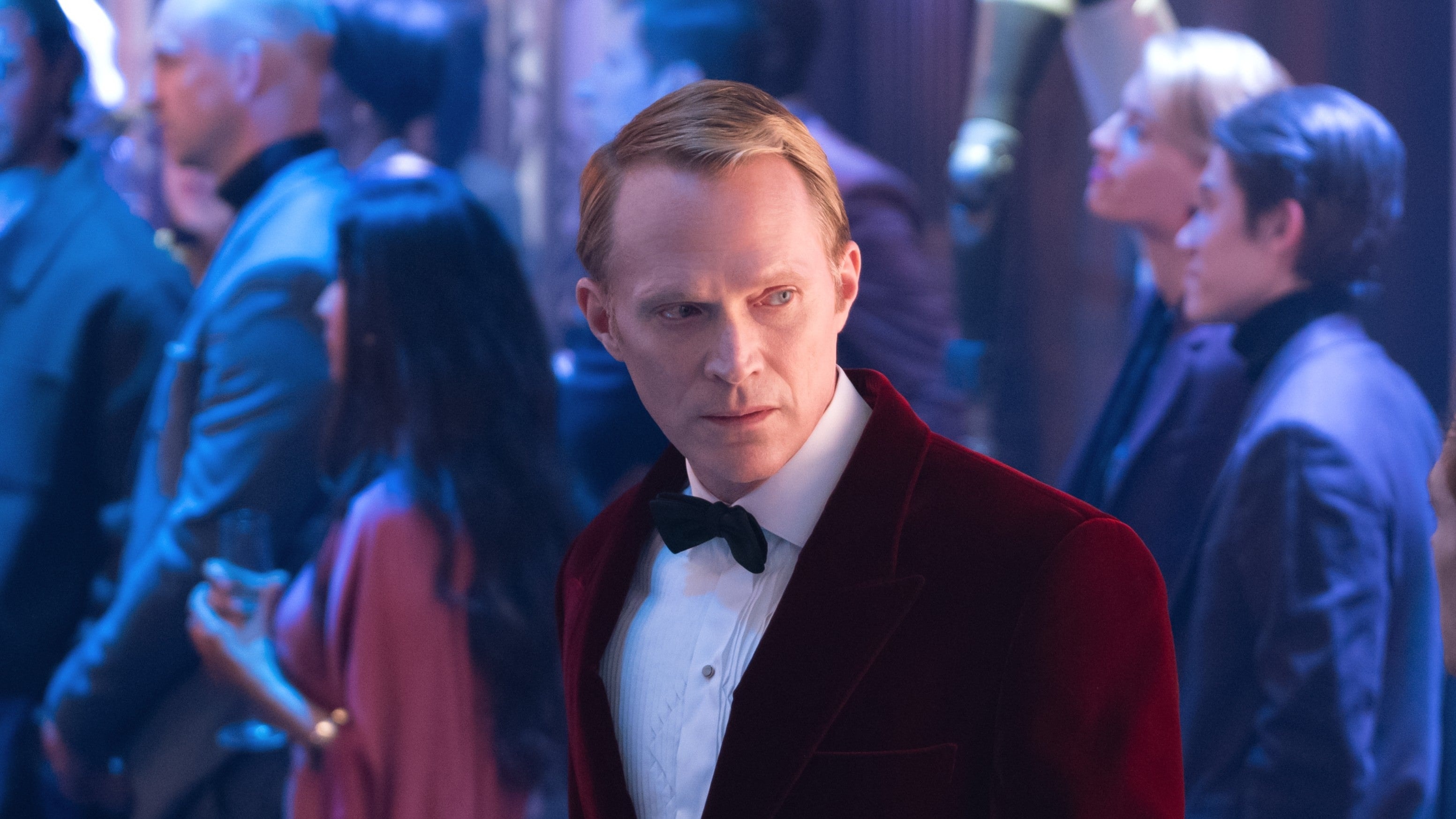
The New Vision and the Search for Emotion
The third and fourth episodes of Marvel's new series, VisionQuest, are now available on Disney+. While the project initially appeared to be a simple continuation of the WandaVision storyline, it has unexpectedly discovered its own "soul" and emotional depth. Paul Bettany’s character, who began the series as a cold, emotionless machine, has entered a new phase of development.
A central strength of the series is the evolution of the protagonist's internal conflict. Although he possesses the memories of the original Vision, he remains a new entity. In episodes three and four, we see the hero attempting to understand his identity and restore the human qualities that defined his predecessor. This process is far more consistent and convincing than similar transformations seen in other Marvel projects.
The Return of Ultron and the AI Environment
One of the most impressive aspects of the series is Ultron, voiced by James Spader. In the show, he serves not only as a source of humour but also as a critical observer, evaluating human nature from his unique artificial intelligence perspective. By the end of the fourth episode, Ultron’s actions steer the plot in a compelling new direction, heightening anticipation for the upcoming fifth episode.
Furthermore, the series pays close attention to other AI characters, such as F.R.I.D.A.Y., E.D.I.T.H., and D.U.M.-E. What were once merely voice interfaces or auxiliary tools are now developing into fully-fledged characters. Their emotional journeys run parallel to Vision’s development, adding layers of complexity to the show.
Narrative Development and Challenges
The series is not without its flaws. For instance, the disappearance of the Paladin character and the introduction of Jocasta (T'Nia Miller) feel somewhat abrupt and clunky. However, Jocasta’s potential as a future antagonist and an interesting subject for Ultron helps balance these narrative bumps.
It is also worth noting that the series does not require viewers to have exhaustive knowledge of every previous project. It provides enough context to easily follow the story after WandaVision while maintaining its own independent character. The show is no longer just a "trilogy finale," but an standalone story that re-evaluates the role of artificial intelligence within the Marvel Universe. For fans following the Marvel Cinematic Universe, VisionQuest may prove to be one of the most positive surprises of the year.