Vibe Coding: How Users Are Taking Control of Their TV Interfaces
Cleaning Up TVs with AI
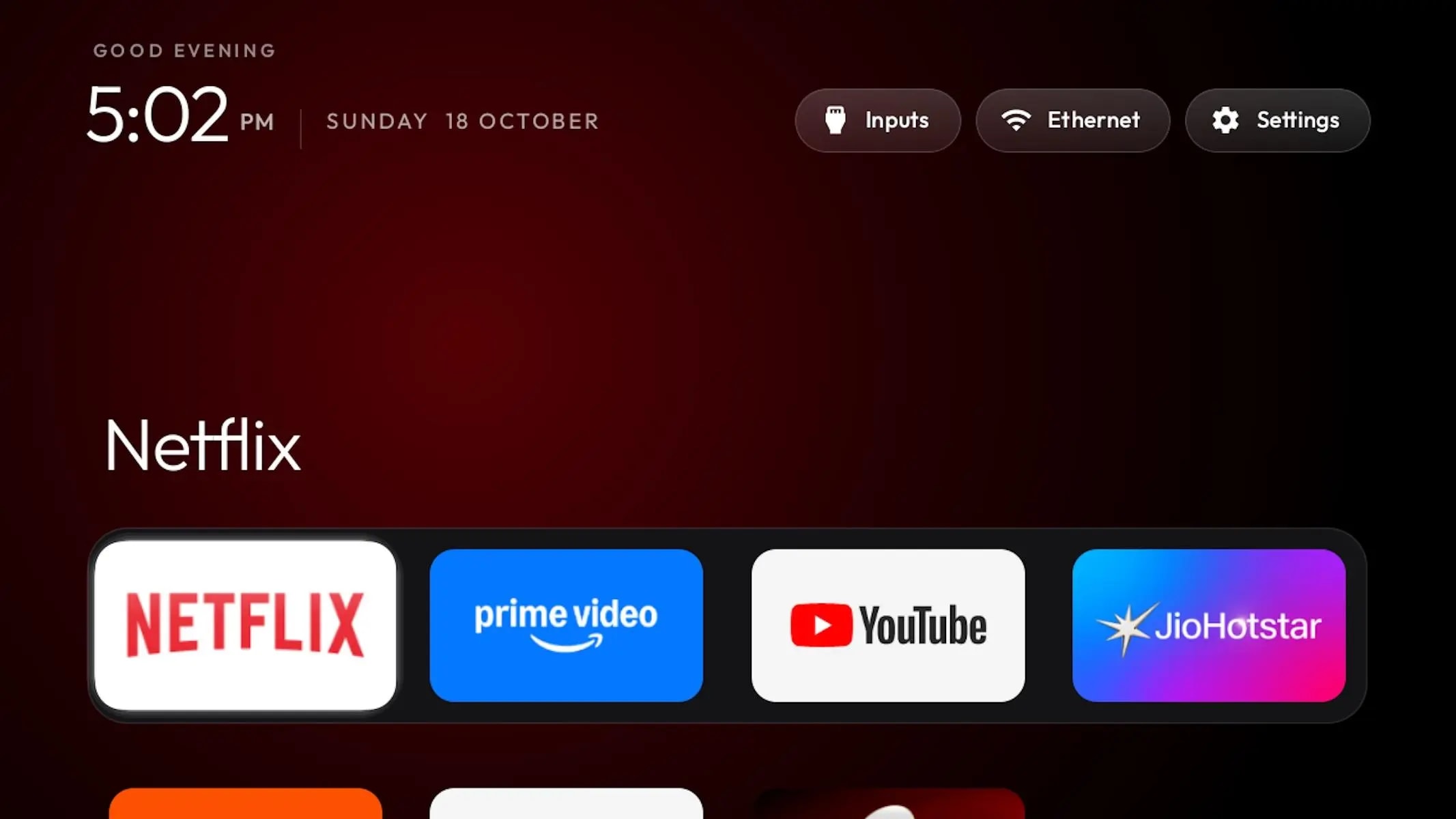
Modern Smart TVs are increasingly resembling advertising platforms rather than simple entertainment devices. Users dissatisfied with constant on-screen ads, data tracking, and cluttered interfaces are turning to a new trend known as "vibe coding." This process involves using Large Language Models (LLMs) and open-source tools to "clean" a television’s operating system, block advertisements, and customize the home screen to personal preferences.
Projects such as Cleanyourtv, tv-detox, and dumbtv have recently gained popularity. Their primary goal is to improve TV performance and limit the tracking mechanisms that monitor what users watch. Notably, these methods do not require "hacking" or rooting the TV. Instead, they rely on Android developer tools, specifically the Android Debug Bridge (ADB), which makes the process reversible.
Why This Matters
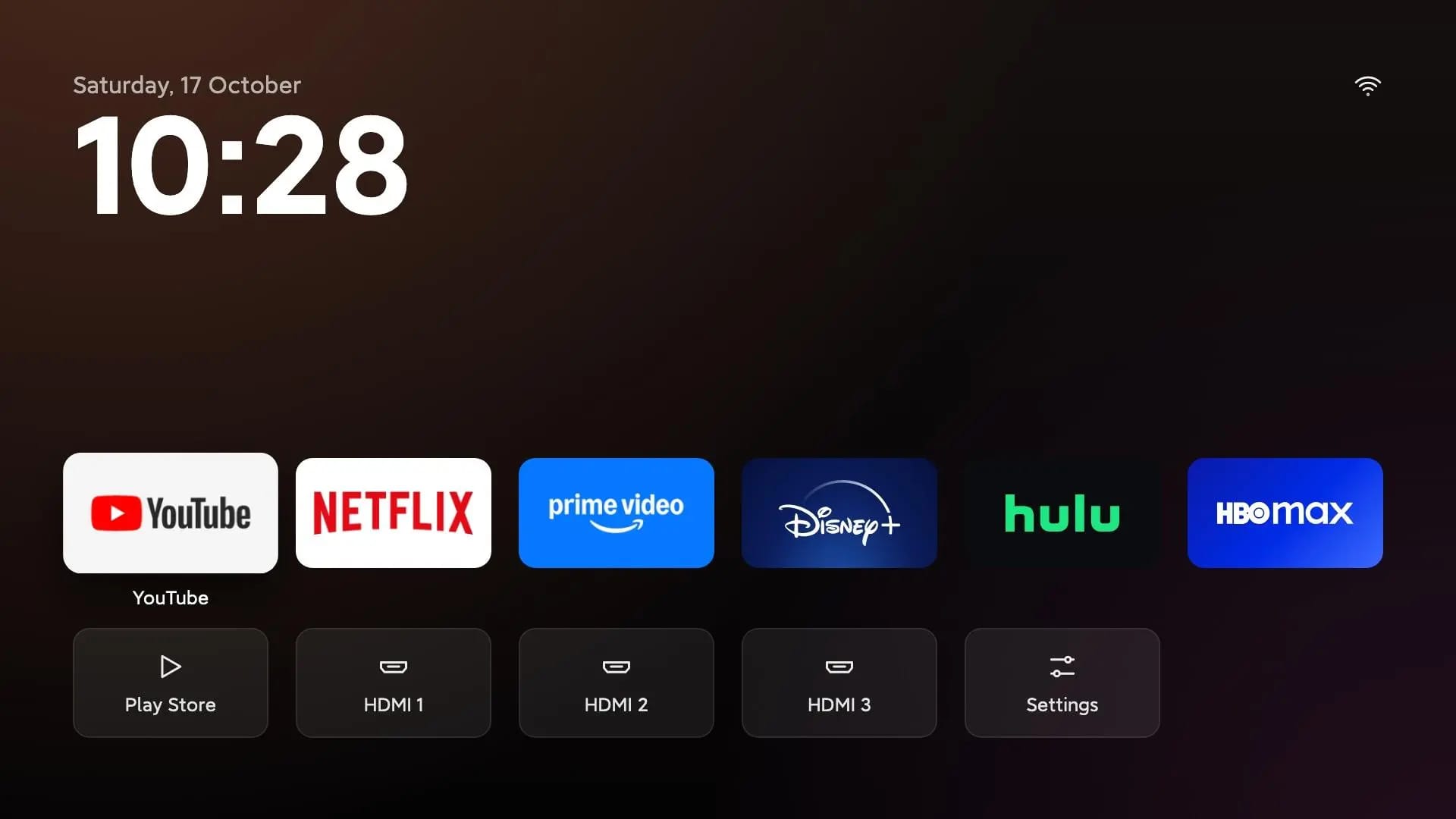
While such manipulations were technically possible before, AI has significantly simplified the process. With the help of an AI assistant, it is now possible to create a completely new, minimalist interface that suits your taste. Some users go as far as styling their home screens like video games, though this is largely an expression of dissatisfaction with the status quo.
It is important to note that these methods primarily work on devices running Android TV and Google TV, such as those from Sony, TCL, and Hisense. Samsung’s Tizen OS and LG’s webOS are much more closed, making similar changes significantly more difficult and sometimes risky. Incorrect interference could potentially render a television unusable.
Data Protection or Illusion?
It is essential to remember that changing the interface does not always mean a complete cessation of data collection. Televisions connected to the internet almost always send some information back to the manufacturer. Automatic Content Recognition (ACR) technology allows companies to monitor viewing habits to serve targeted advertisements.
While settings to disable ads and tracking exist within menus, they are often well-hidden. The "vibe coding" movement serves as a form of protest against this system. However, for those seeking total privacy, the most effective method remains disconnecting the TV from the internet or using a standalone streaming device, such as an Apple TV 4K, which is less focused on ACR.
Ultimately, TV manufacturers must acknowledge this user dissatisfaction. If official interfaces do not become more flexible and less intrusive, users will continue to "fix" their systems themselves.