Verizon to Charge $10 Monthly for iPhone Handoff Feature
The new service, which enables dual-device connectivity, carries a higher price tag at Verizon compared to other global carriers.
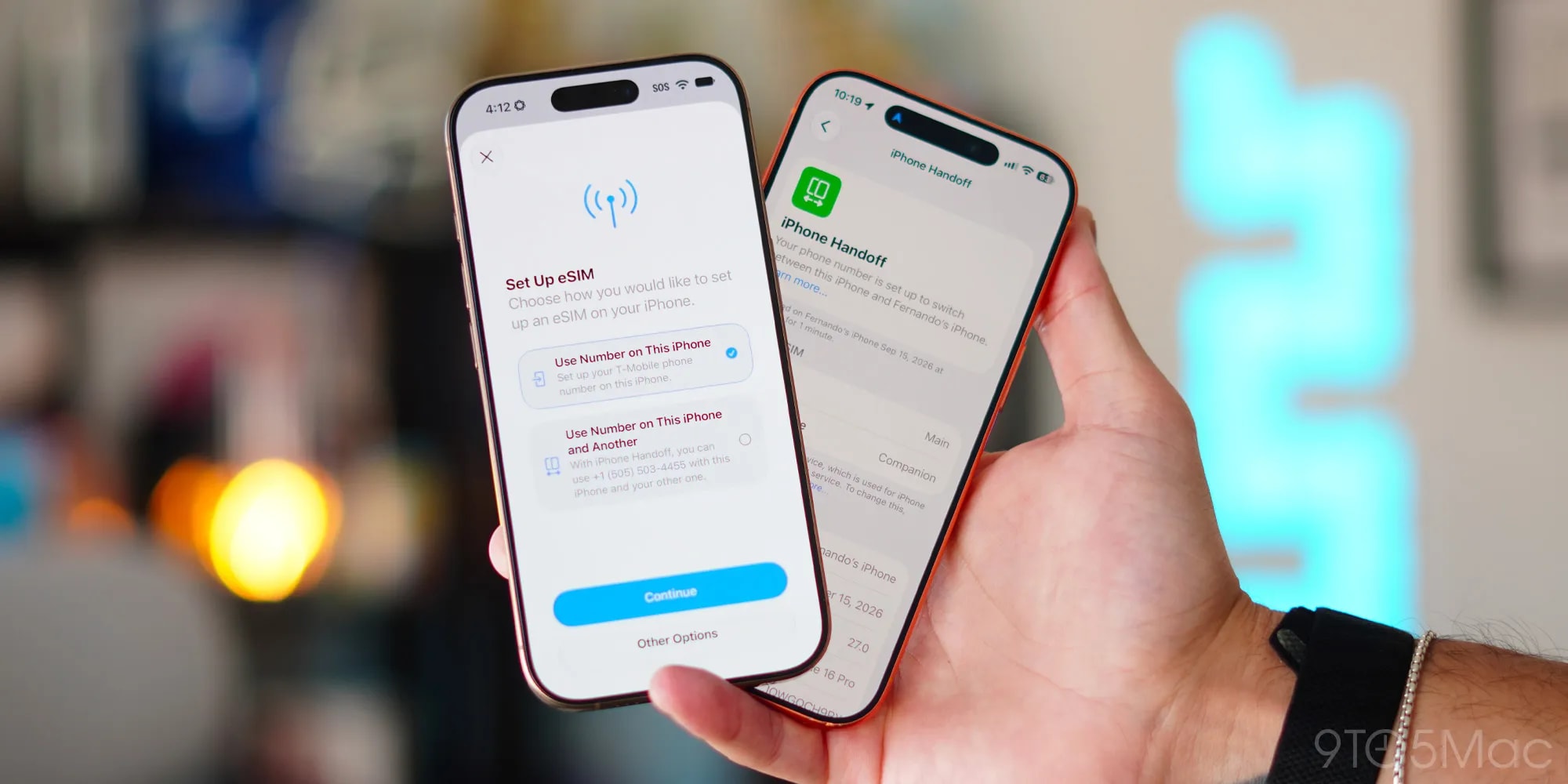
New Capabilities and Pricing for iPhone Handoff
The iPhone Handoff feature, introduced by Apple to allow users to operate a single phone number across two different iPhones simultaneously, is gradually being adopted by major mobile carriers worldwide. American telecommunications giant Verizon has officially confirmed that activating this service will cost users $10 per month.
The feature, an integral part of iOS 27, was first announced at WWDC, with further details revealed during the company's "Surprise and Shine" event last month. Handoff allows for the seamless transfer of active status between devices, a convenience designed for those who utilize different iPhone models for professional and personal use.
Differing Approaches Among Carriers
Verizon’s pricing is among the highest in the market. For comparison, T-Mobile offers the same service for $5 per month, while Germany's Deutsche Telekom includes the functionality within its existing MultiSIM service for €6.95. Consequently, Verizon customers will pay twice as much for the service as their counterparts at T-Mobile.
Notably, not all carriers are rushing to implement this technology. AT&T has stated that it does not plan to support iPhone Handoff at this time. Company representatives noted that they prefer to focus on existing standard methods for eSIM activation and transfer, which are already familiar to their user base.
What This Means for Users
To utilize iPhone Handoff, both iPhones must be running iOS 27, and users must have a compatible tariff plan that supports the service. While the feature carries a cost, it significantly simplifies digital workflows for those who carry two devices and wish to receive calls and messages on a single number.
For users in Georgia who are active within the Apple ecosystem, this development serves as an interesting indicator of how mobile connectivity standards are evolving. However, before similar services appear on the local market, domestic operators must first implement full eSIM support and the necessary technical infrastructure to ensure such features function correctly.