Used Electric Vehicles Are Selling at Record Speeds
High fuel costs and limited new car availability are driving a surge in demand for pre-owned EVs.

A significant trend is emerging in the global automotive market: demand for used electric vehicles (EVs) has surged. High fuel prices and the increasing difficulty of purchasing new cars are pushing buyers toward the secondary market, where electric vehicles are disappearing from dealership lots almost instantly.
Why 'Days on the Lot' Matters
For auto dealers, the term "days on the lot" refers to the time a vehicle spends in a showroom before being sold. This metric is critical because vehicles are often financed through credit lines, meaning every day of delay incurs additional interest costs for the dealer. Consequently, when specific models sell at record speeds, it serves as a clear indicator of a healthy automotive market.
As of October, the average wait time for new vehicles was 82 days, exceeding the industry standard of 75 days. Against this backdrop, the sales pace of used EVs is impressive. For instance, the Audi Q4 Sportback e-tron Quattro finds a new owner in an average of just 29.8 days.
Leading Models and Price Increases
Beyond Audi, models such as the Toyota BZ4x, Lexus RZ300e, Honda Prologue, and Polestar 2 are in high demand, spending less than 35 days on dealership lots. They are followed closely by popular models including the BMW i4, iX, Kia EV6, and Chevrolet Equinox EV.
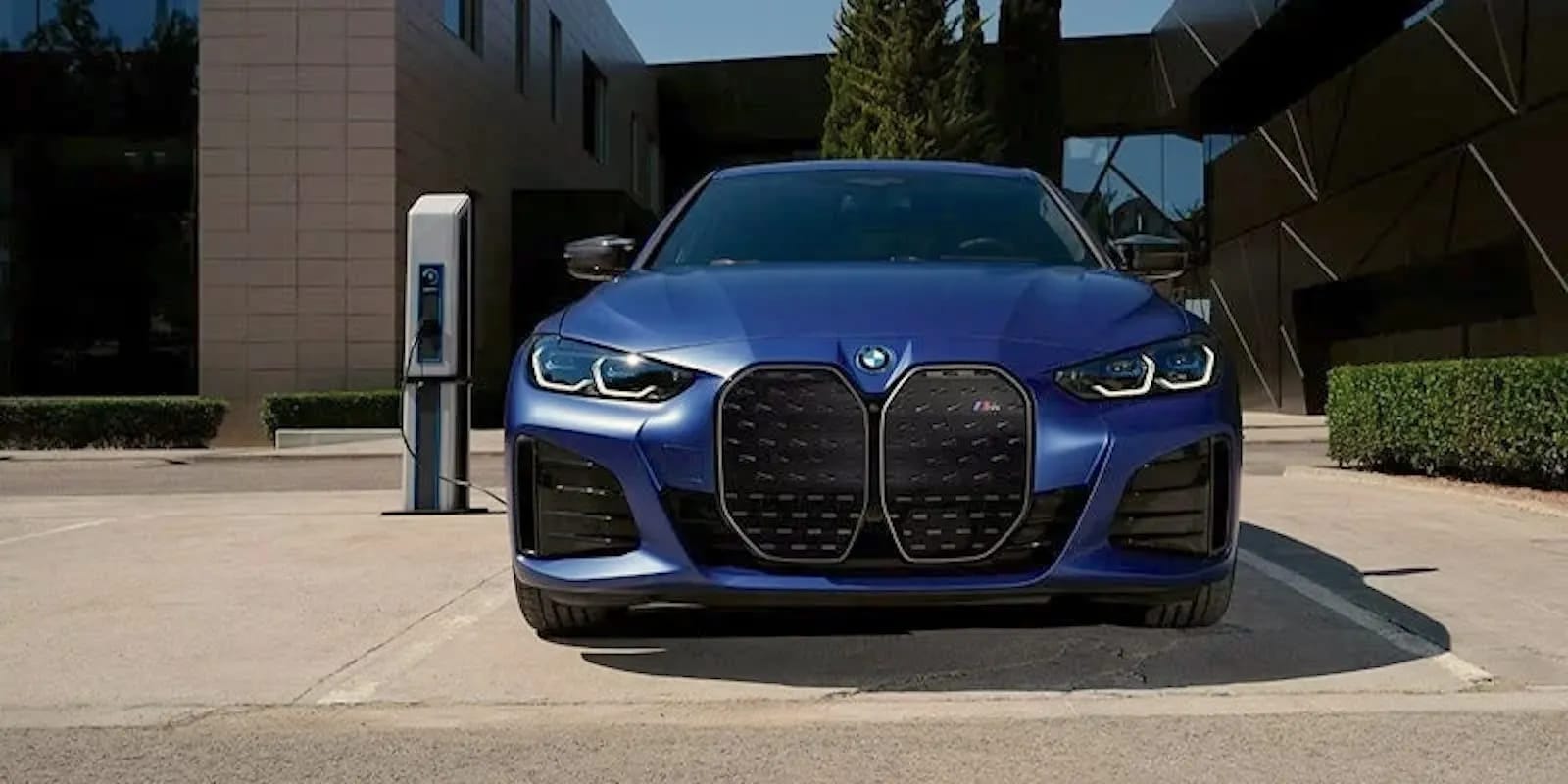
Analysts report that the average selling price for electric vehicles rose by 9.8% last month, while prices for internal combustion engine vehicles remained nearly stagnant, seeing an increase of only 0.3%. As of September 2026, the average price of a used electric vehicle was $32,533, which is nearly $3,000 higher compared to the same period last year.
What This Means for Consumers
Despite rising prices, demand for electric vehicles remains robust. This indicates that consumers are willing to pay a premium to avoid monthly fuel costs. While hybrid vehicles are also gaining popularity, the sales velocity of pure electric vehicles continues to outpace them.
This trend is increasingly relevant for the Georgian market, where the import of electric vehicles has grown significantly in recent years. While purchasing an EV was once viewed as a risk, it is now clear that these vehicles have become highly liquid assets in the secondary market. For buyers planning to purchase an electric vehicle, this means decisions must be made quickly, as the best options no longer stay on the market for long.