USB-C Charging Comes to E-Bikes: The Affordable ENGWE Zip
Universal charging is finally arriving in the electric bicycle market.

Universal Charging for Electric Transport
For years, e-bike owners have been accustomed to the necessity of carrying proprietary, model-specific chargers. While smartphones, laptops, and tablets have long transitioned to the USB-C standard, e-bike manufacturers have been cautious about adopting this trend. However, the landscape is shifting with the arrival of the ENGWE Zip, a model that addresses this issue with remarkable simplicity.
The ENGWE Zip is a compact, foldable electric bicycle priced at approximately €1,000. Its standout feature is the ability to charge using any standard USB-C cable. This eliminates the need for owners to lug around bulky, specialized power bricks, as a standard laptop or smartphone charger will suffice.
Why This Matters
Implementing the USB-C standard in e-bikes is about more than just convenience. Premium manufacturers like Rivian have already integrated this technology, yet their models can cost up to $4,500. ENGWE has successfully brought similar functionality to the mass market at a fraction of that price.
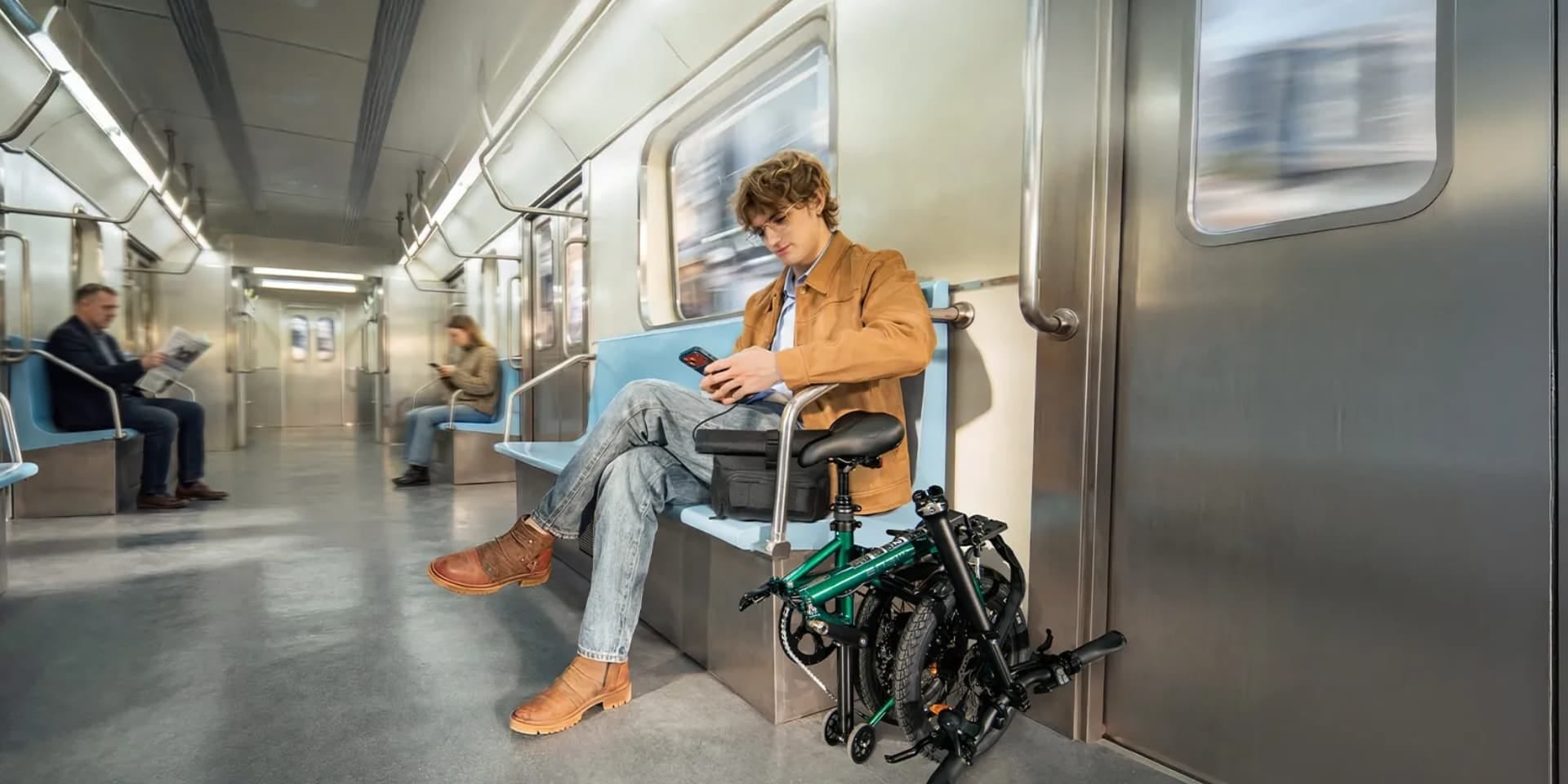
Beyond simple charging, the ENGWE Zip battery also functions as a portable power bank. It features two USB-C ports, allowing users to charge their laptops or smartphones directly from the bike's battery while on the move. The battery is housed in a dedicated bag that is easily detachable, making it simple to transport to any convenient charging point.
Technical Challenges and the Future
Why isn't USB-C universal yet? The challenge lies in the fact that e-bike batteries typically operate on 36V or 48V systems, whereas standard USB-C chargers provide a maximum of 20V. Consequently, manufacturers must integrate additional conversion circuitry within the battery. The ENGWE model proves that this is both technologically feasible and economically viable.
This does not mean that high-power, specialized chargers will disappear entirely; they remain essential for the rapid charging of large battery packs. However, offering USB-C as an additional option provides users with significant freedom. As the popularity of electric transport continues to grow, such universal solutions are likely to become the industry standard, making the daily operation of e-bikes significantly more convenient.