US Marines Deploy to Protect Baltic Sea Infrastructure
US troops join Finnish forces to secure subsea cables and pipelines against hybrid threats.
A New Mission in the Baltic Sea
Approximately 48 US Marines have been deployed to the Baltic Sea region. Members of the 2nd Intelligence Battalion are working alongside the Finnish Coastal Brigade as part of NATO’s Operation Baltic Sentry. Their primary mission is to monitor and protect critical seabed infrastructure, including fibre-optic cables and pipelines.
This move is vital for European security, following a series of suspicious incidents involving damage to subsea communications in the Baltic Sea. The American troops are serving in a support role, aiming to enhance the effectiveness of the operation led by NATO member states.
Technological Edge and Surveillance
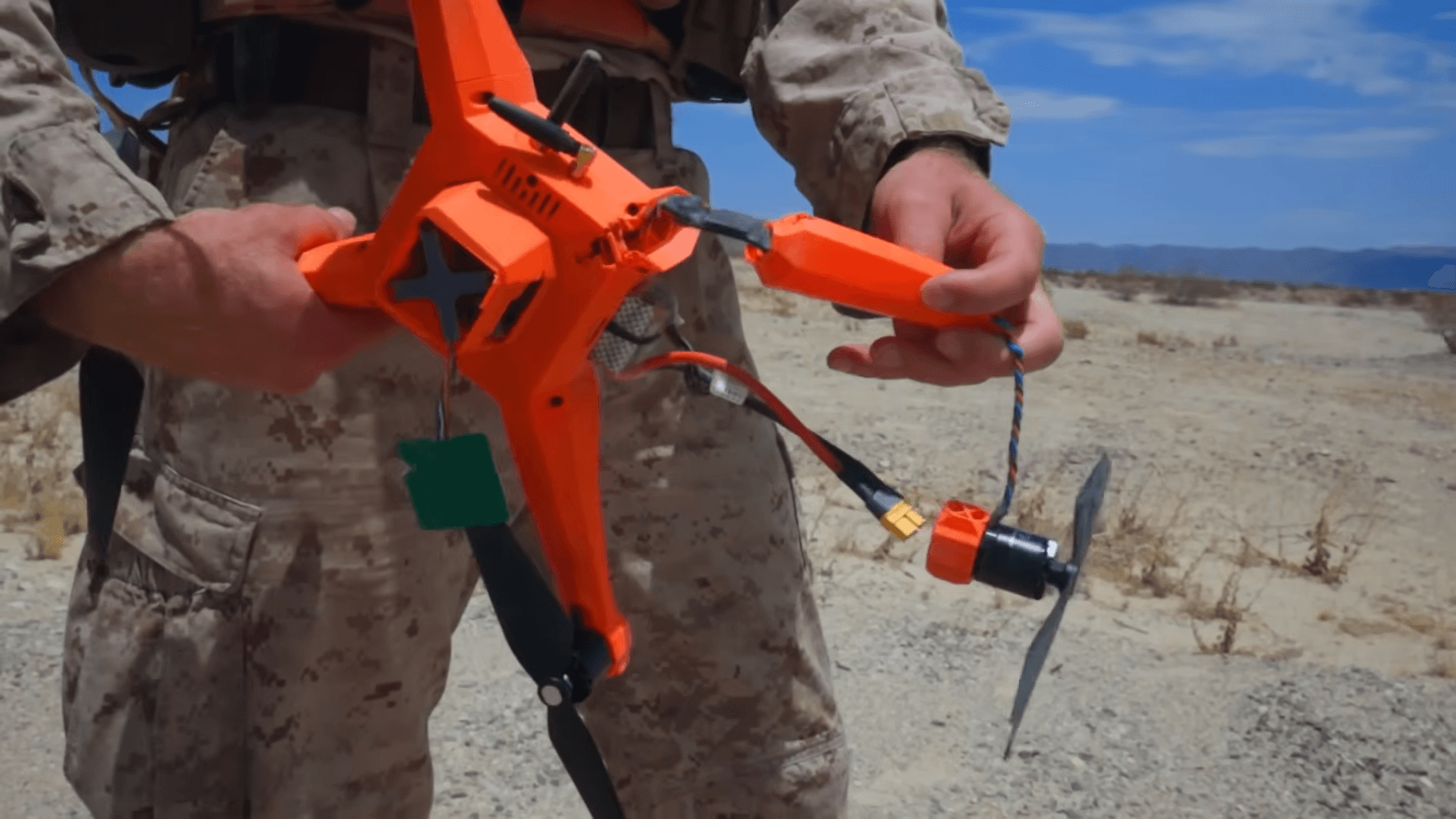
The Marines are utilising specialised equipment, including small unmanned aerial vehicles (drones) and coastal sensors. The data collected is integrated directly into NATO’s Common Operational Picture, allowing the alliance to monitor regional activities in real time.
Captain Johan Tillander, head of operations for the Finnish Navy, noted that the experience and technological equipment of the American troops perfectly complement Finland’s existing surveillance systems. According to US Marine Corps Major General Daniel Shipley, the collaboration aims to deter hybrid threats along the Baltic coastline.
Why It Matters
Tensions in the region have escalated since late 2024, when several fibre-optic cables were damaged in separate incidents. Subsequently, the Estlink 2 power cable between Finland and Estonia was also damaged, causing significant concern. Investigations suggest that Russian fishing vessels frequently operate in zones where international cables are laid, prompting increased caution among alliance members.
Although Washington is focused on avoiding escalation by prioritising European leadership, the presence of American troops in the Baltic Sea serves as a clear signal to Russia. Western forces continue to coordinate efforts to ensure the security of Europe’s digital and energy infrastructure. For readers in Georgia, these events highlight that protecting critical infrastructure against hybrid warfare remains a primary contemporary security challenge.