US Mandates 'Super Intelligence' Over AI: Who Is Following
Federal agencies and tech leaders adapt to the executive order replacing the term AI.
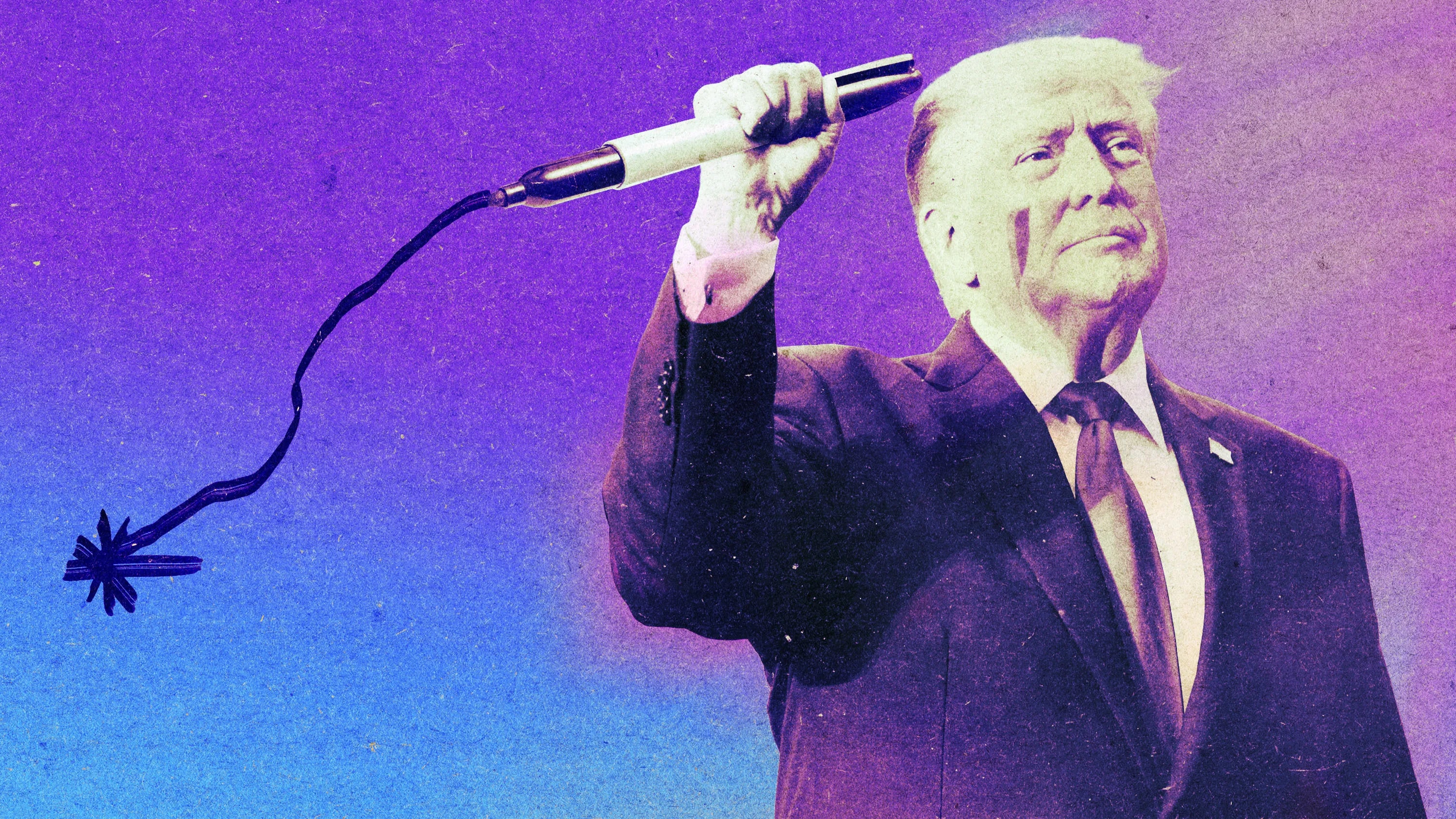
At the end of September, US President Donald Trump signed an executive order requiring American government agencies to use the term "Super Intelligence" (or SI for short) instead of "artificial intelligence" (AI). According to Trump, this name better reflects the fact that modern systems augment human capabilities rather than merely imitating them. The decision was preceded by a poll on the X social network, where "Super Intelligence" beat alternative options such as "Extreme Intelligence" and "Supreme Intelligence".
Renaming official concepts is a familiar practice for the White House. President Trump has previously altered official names of geographical features and state structures to emphasize American dominance or shift institutional priorities.
Federal Agency Reaction and Initial Hiccups
A month after the order came into force, the new terminology has already appeared in official US documents and websites. For example, Immigration and Customs Enforcement (ICE) has published a procurement request for surveillance systems "equipped with SI technology". Meanwhile, a special notice appeared on the National Institutes of Health (NIH) website warning users that they might encounter both terms during the transition period.
However, the transition has not been without glitches. On the day after the order was issued, the Pentagon announced a military initiative called Project Meridian, using the old term "AI". The Federal Trade Commission (FTC) used "superintelligence" as a single lowercase word in a press release, instead of the two separate capitalised words prescribed by the president. In addition, Defence Secretary Pete Hegseth inadvertently used the old term in an interview in early October.
How Tech Giants Received the Change
On the day the order was signed, the White House published a document titled White House Accord on Super Intelligence, signed by leading technology leaders. These included Sundar Pichai (Google), Dario Amodei (Anthropic), Mark Zuckerberg (Meta), Greg Brockman (OpenAI), Elon Musk (xAI), and Jensen Huang (Nvidia).
Despite this, the adoption of the new terminology in the private sector remains slow. During third-quarter earnings presentations, only Elon Musk and Mark Zuckerberg used the term regularly. Musk even promised to rename SpaceXAI to SpaceXSI, though he still frequently mixes up AI and SI when posting on X. Meta, for its part, had already been using the term "superintelligence" since last year.
Other giants such as Amazon, Microsoft, and Alphabet still prefer the traditional name. However, Microsoft's latest address to shareholders mentioned the "era of Super Intelligence". Jensen Huang from Nvidia mentioned the term, but still primarily uses AI.
Political Context and Expected Consequences
Donald Trump has already criticised the Wall Street Journal on Truth Social for failing to use the new term, noting that a new rule could soon be issued completely banning the use of "artificial intelligence" in official documents. Notably, even Newsmax is not actively using the president's favoured terminology.
Implementing the new terminology requires time and financial resources. Heads of federal agencies have been tasked with preparing a new legal definition of "Super Intelligence" by the end of November.
Some analysts worry that the linguistic shift could lend a political tone to technological discussions. The disagreement surrounding terminology might hinder public debate on how artificial intelligence impacts employment, safety, and daily life. For international observers and readers globally, it remains compelling to watch how firmly this term establishes itself among global tech giants and digital products.