US Law Enforcement Used Surveillance Tech to Monitor Activists
Newly disclosed documents expose a joint operation between local police and federal agents targeting political assembly.
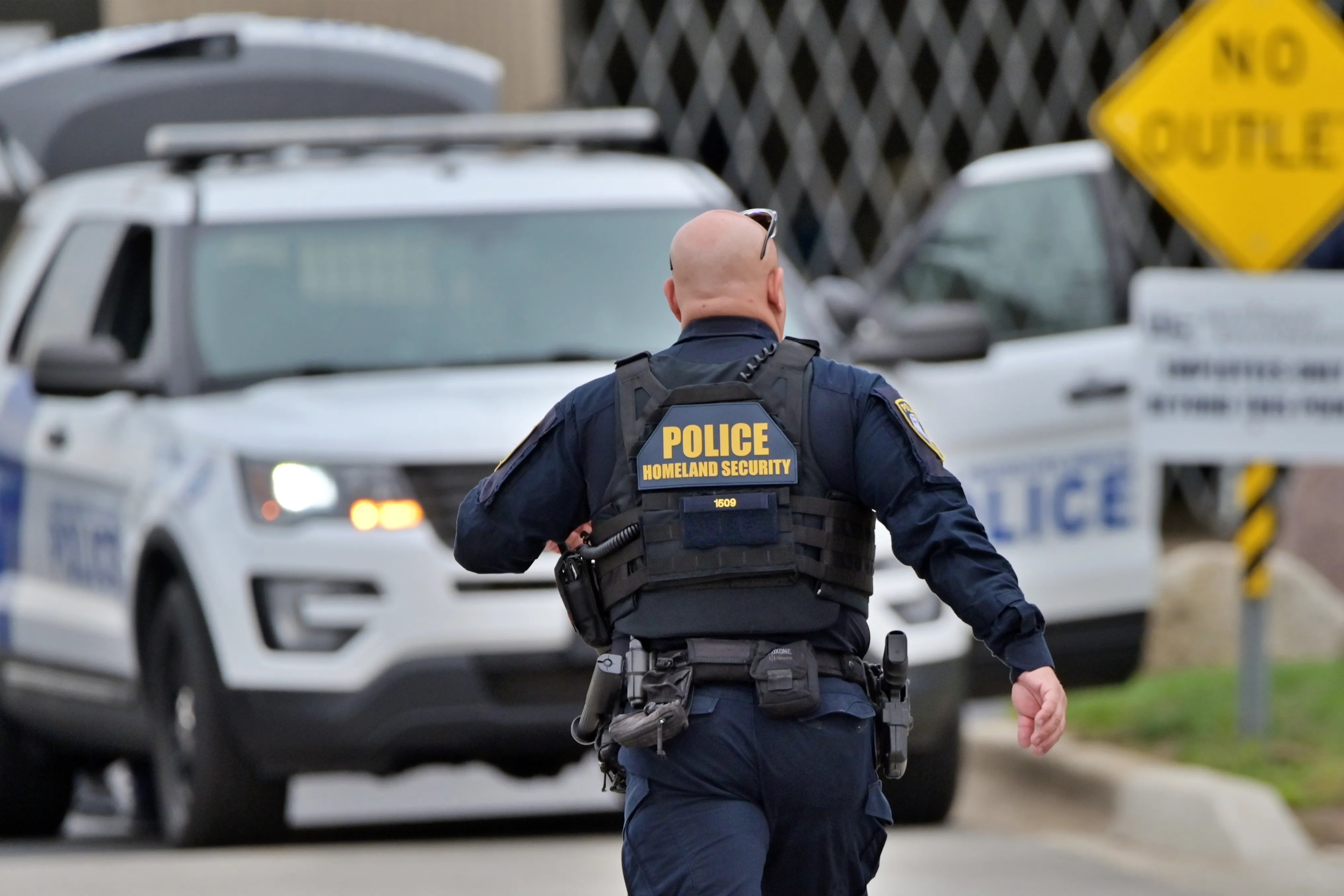
Methods used by US law enforcement to monitor citizens are facing renewed scrutiny. Newly released documents confirm that police in the Chicago region and agents from Homeland Security Investigations (HSI) participated in a joint operation to covertly monitor Minnesota activists. The operation targeted an event held in April, where activists gathered to discuss protests against immigration policies.
Technological Surveillance and Covert Operations
Details revealed during legal proceedings describe how law enforcement deployed advanced surveillance tools. A 14-person team, consisting of local police and federal agents, used audio recordings, undercover personnel, and Chicago’s extensive CCTV network to identify event attendees. Furthermore, the operation utilized automated license plate recognition systems, which logged data from 219 vehicles parked at the event.
According to the documents, agents livestreamed the event to gather intelligence on conversations. While framed as a criminal investigation, critics and rights advocates are labelling the action political repression. Notably, the Chicago Police Department stated that they did not follow internal protocols for such operations, as they classified the activity as part of a federal racketeering investigation.
Why This Matters
This case raises questions regarding the boundaries of cooperation between local police and federal agencies. Although Illinois law prohibits local law enforcement from participating in direct immigration raids, federal task forces often circumvent these restrictions under the guise of criminal investigations.
Representatives from the American Civil Liberties Union (ACLU) noted that monitoring citizens solely for their political views and public assembly is "deeply troubling." They argue that local police must re-evaluate their collaboration with federal agencies, particularly when such partnerships are used to suppress dissent.
This incident highlights how easily modern technological infrastructure—such as city video cameras and license plate sensors—can be repurposed as tools for invading privacy. While these technologies are intended to enhance public safety, their use against political opponents poses a significant threat to democratic principles.