US Government Issues Warning Over Cyberattacks on Industrial Refrigeration
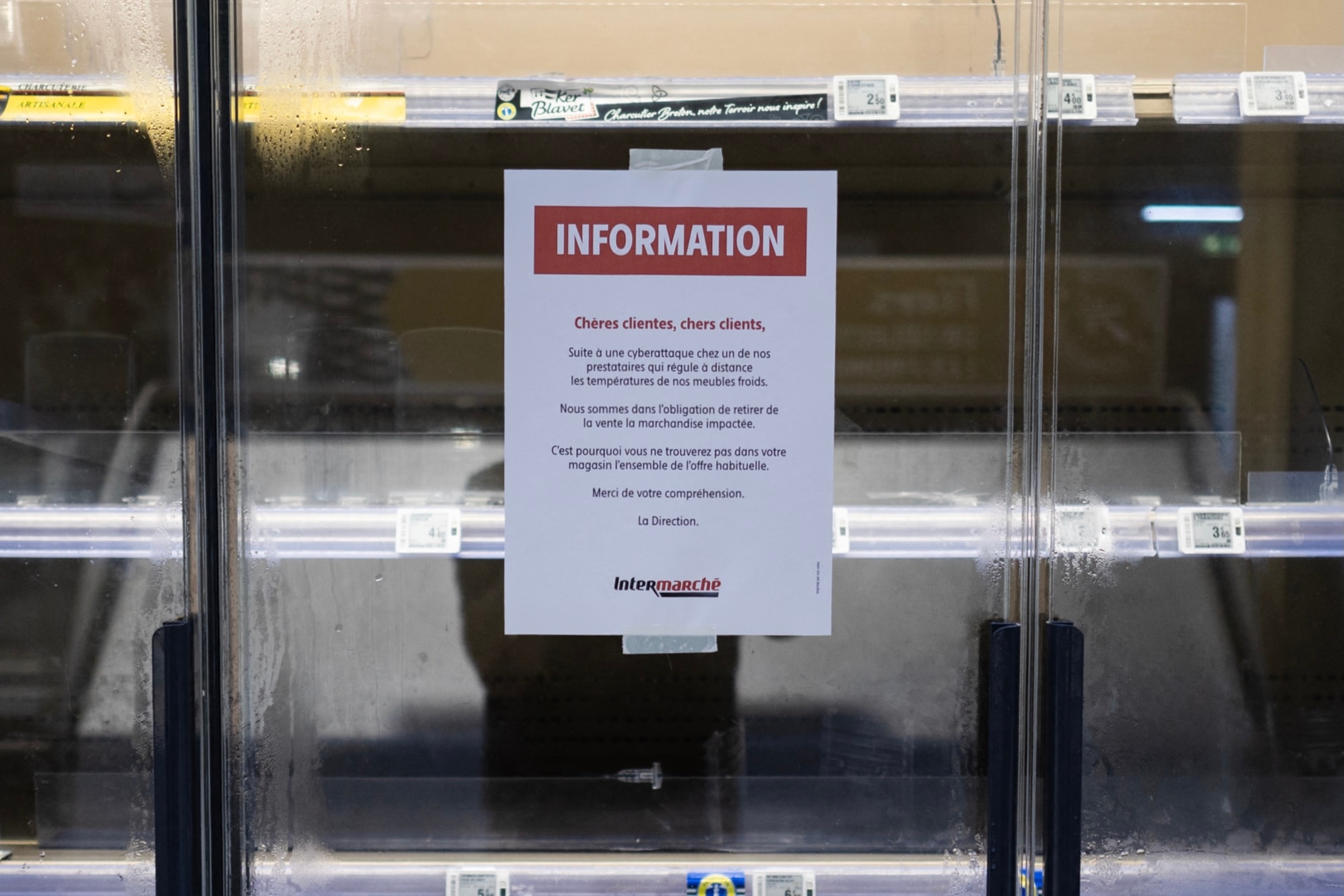
Federal agencies in the US, including CISA and the FBI, have issued an urgent warning regarding cyberattacks targeting internet-connected industrial refrigeration and cooling systems. The threat extends to supermarket chains, military bases, and medical facilities, including blood banks.
Scale and Consequences of Cyberattacks
Over the past few weeks, a series of cyberattacks has been reported across the UK and more than ten European countries. The attackers aimed to remotely manipulate the temperature settings of refrigeration units. These actions have already resulted in food spoilage and the destruction of significant supplies. In France, cybercriminals attempted to raise the temperature of a blood bank's refrigeration system, though the attempt to fully compromise the system was thwarted in time.
Experts state that hackers are exploiting vulnerabilities in systems from manufacturers—such as the Danish company Danfoss—that have already ceased providing security updates. The US Department of Defense is currently investigating attacks on refrigeration units at military facilities. While no official perpetrator has been named, security researchers and American officials have pointed toward Iran.
Threat to Critical Infrastructure
The primary risk of these cyberattacks goes beyond product spoilage. Hackers can force refrigeration units into constant heating and defrosting cycles, which could lead to equipment failure, fires, and large-scale inventory loss. Chris Butera, a cybersecurity lead at CISA, stated that all organizations reliant on refrigeration systems should assume they are potential targets.
How to Protect Systems
Federal agencies are advising affected industries to take immediate preventive measures:
- Disconnect refrigeration systems from the public internet by restricting remote access functions.
- Update and strengthen passwords.
- Install all available security patches.
- Retire and decommission legacy equipment that is no longer supported by manufacturers.
This incident highlights the vulnerability of Internet of Things (IoT) devices when used in critical infrastructure. For businesses and organizations relying on automated refrigeration, including those in Georgia, these technological risks must be prioritized. Maintaining cybersecurity hygiene and replacing outdated software are the only ways to prevent such incidents.