US Department of Defense Moves to Expand Access to Space Launch Vehicles
To mitigate future risks, the Pentagon is backing new industry players as demand for satellite launches surges.
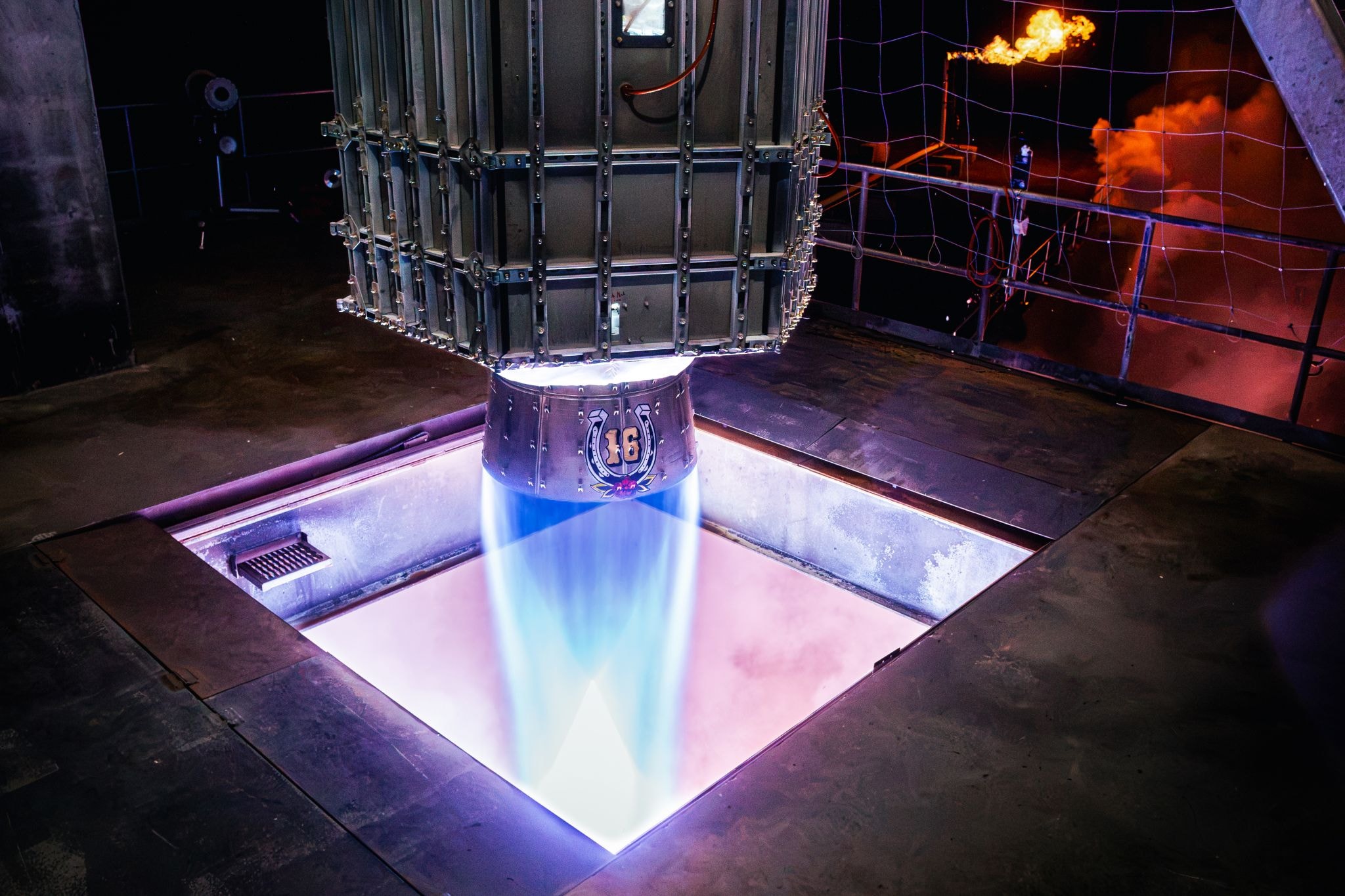
A New Strategy in the Space Race
The US Department of Defense is actively working to diversify the space launch market. Over the past two weeks, the Pentagon's Office of Strategic Capital (OSC) has awarded $150 million conditional loans to two companies: Stoke Space and Rocket Lab. This move aims to strengthen the critical infrastructure required for US national security missions.
The reason is straightforward: SpaceX, currently the Pentagon's primary partner, has stopped accepting commercial orders for its Falcon 9 series rockets beyond 2028. The company is shifting its focus entirely to the development of Starship. Although Falcon rockets will continue to fly for military purposes until 2033, the defense department already anticipates risks as the demand for space launches rises sharply.
Why Is This Important?
Since the 1990s, Pentagon policy has been based on the principle of "assured access to space." This means the US government always supports at least two companies capable of launching national security satellites into orbit. Today, this role is held by SpaceX and United Launch Alliance (ULA). However, ULA’s Vulcan rocket has recently been grounded twice due to technical issues, creating additional pressure.
The Space Force predicts that by the early 2030s, it will require up to 249 medium and heavy-class launches, double the figure from two years ago. To meet this demand, the government is funding new players.
What Are the Companies' Plans?
Stoke Space will use the funding to build a second launch pad at Cape Canaveral, Florida. This will allow them to accelerate testing of their new, fully reusable Nova Block 2 rocket. Meanwhile, Rocket Lab will invest in expanding production of its Neutron rocket and developing the maritime infrastructure needed for its recovery.
Rocket Lab management notes that launch capacity in the market is extremely limited. The company has already increased the launch cost for Neutron from $55 million to $70 million, driven by a record number of orders; they currently have 117 contracts in their portfolio.
This Pentagon strategy suggests that the space sector is entering a new phase where government subsidies and private capital combine to prevent a "launch crisis." For observers in Georgia, this means the space economy is becoming a cornerstone of not just technology, but geopolitical security, which directly impacts global satellite internet and data transmission services.