US Air Force Plans Major Modernisation for F-16 Fleet
Technological Upgrades and Artificial Intelligence
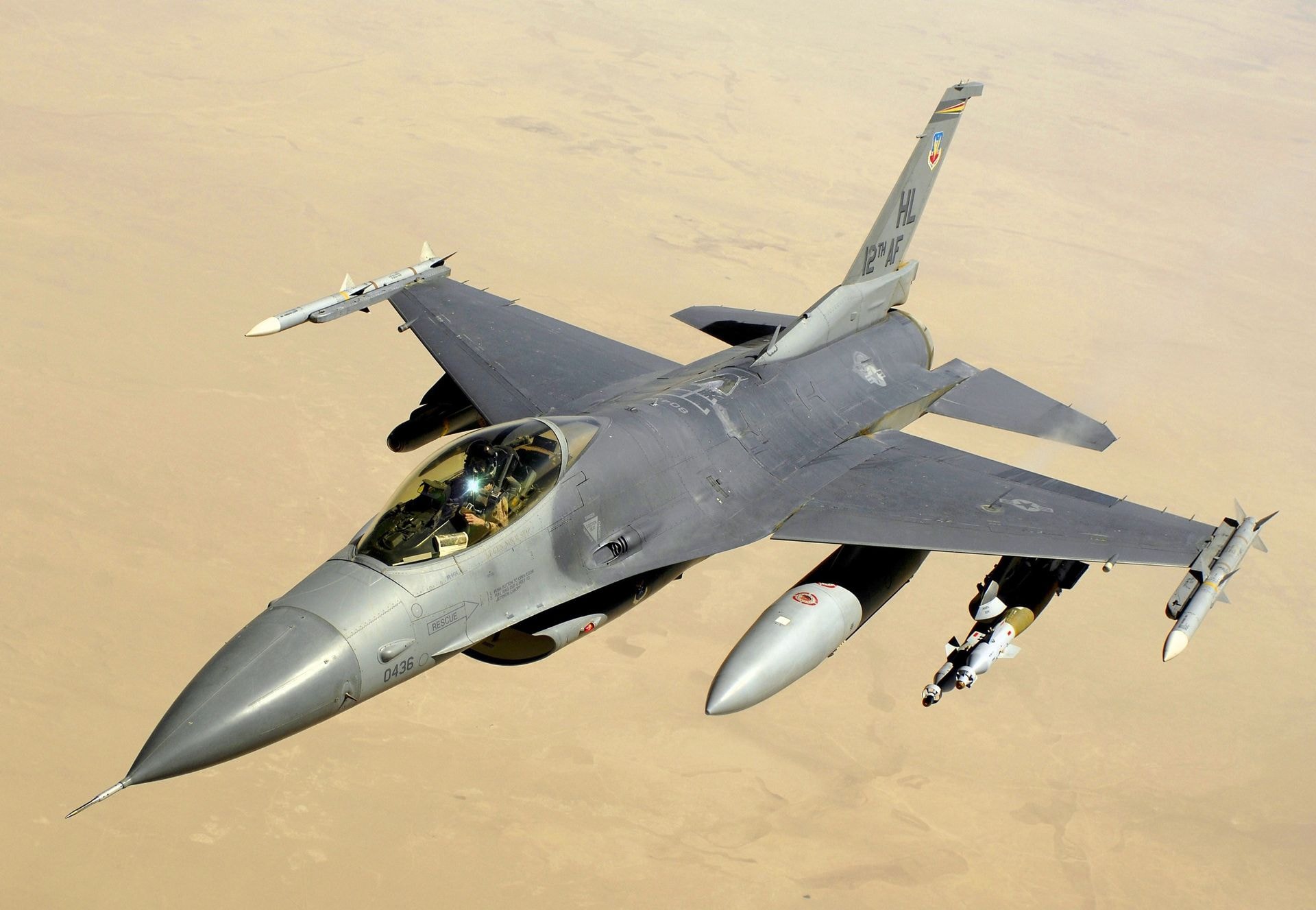
The United States Air Force is planning to develop a "Next-Generation Mission Computer" for its fleet of F-16 Fighting Falcon jets. The objective is to modernise the electronic systems of these aircraft, which have a 40-year history, and extend their operational lifespan into the 2040s.
The Air Force is currently seeking solutions to replace existing modular computers in Block 40, 42, 50, and 52 series aircraft. The new system must be based on open architecture, allowing the military to avoid "vendor lock." This shift will enable the future integration of components, memory, and processors from various companies rather than relying on a single manufacturer.
Of particular interest is the requirement for the integration of artificial intelligence (AI) and graphical processing units (GPUs). While specific details remain classified, the Air Force is demanding a system capable of utilising modern computing power. This is essential for the aircraft to meet the data processing requirements of next-generation sensors.
Why the F-16 Remains Relevant
The F-16 completed its maiden flight in 1974. By the time these jets are eventually retired, their history will span nearly seven decades. Despite its age, the Viper remains the backbone of the US fleet. As of early 2024, more than 900 of these fighters were in service, accounting for nearly half of the total US combat aircraft inventory.
The aircraft’s longevity is remarkable. In 2017, the Air Force extended its flight service life from 8,000 to 12,000 hours. This modernisation allows hundreds of units to remain operational until 2048 and beyond. With over 2,100 F-16s still in active use across 25 countries, it remains one of the most widely deployed combat aircraft in the world.
Future Outlook for the Project
At this stage, the Air Force is conducting market research and exploring technical possibilities. While official tender proposals have not yet been released, industry interest is significant. The military requires the new "brain" to be modular and compatible with existing wiring and space constraints to ensure installation with minimal interference.
The primary challenge will be adapting legacy software to new hardware. The F-16’s systems contain millions of lines of code, and any error during flight could be critical. Despite these complexities, the upgrade is inevitable, as modern air combat requires more data processing power than ever before. For international observers, this remains significant as the F-16 continues to serve as a fundamental element of NATO and allied air defence, with capabilities set to increase for decades to come.