Up to 13 Million Smart Meters in the UK Face Replacement
The phase-out of legacy mobile networks is set to trigger a massive infrastructure overhaul.
A Technological Deadlock: When 'Smart' Devices Lose Connection
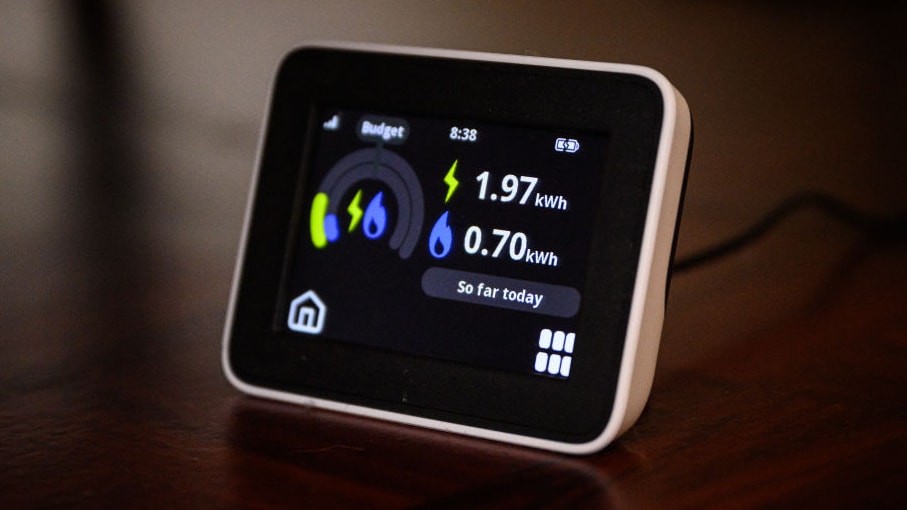
In an era where home management is possible via smartphone, smart meters have become essential tools for measuring energy efficiency. However, the UK now faces a significant challenge. It has emerged that up to 13 million smart meters installed across the country, which rely on 2G and 3G networks, will soon lose their functionality.
The root of the problem lies in the evolution of mobile connectivity standards. While the shutdown of 3G networks is already underway, 2G is set to follow. Although official data suggests a full sunset by 2033, telecommunications companies anticipate the process could begin as early as 2029 or 2030. Consequently, millions of devices will lose the ability to transmit energy usage data to providers, effectively stripping them of their 'smart' status.
A £4 Billion Bill for Consumers
This large-scale issue carries heavy financial consequences. Experts estimate that replacing these aging meters with modern 4G-compatible devices will cost approximately £4 billion. Most concerning is the prospect that these costs will ultimately be passed on to British households through already high energy bills.
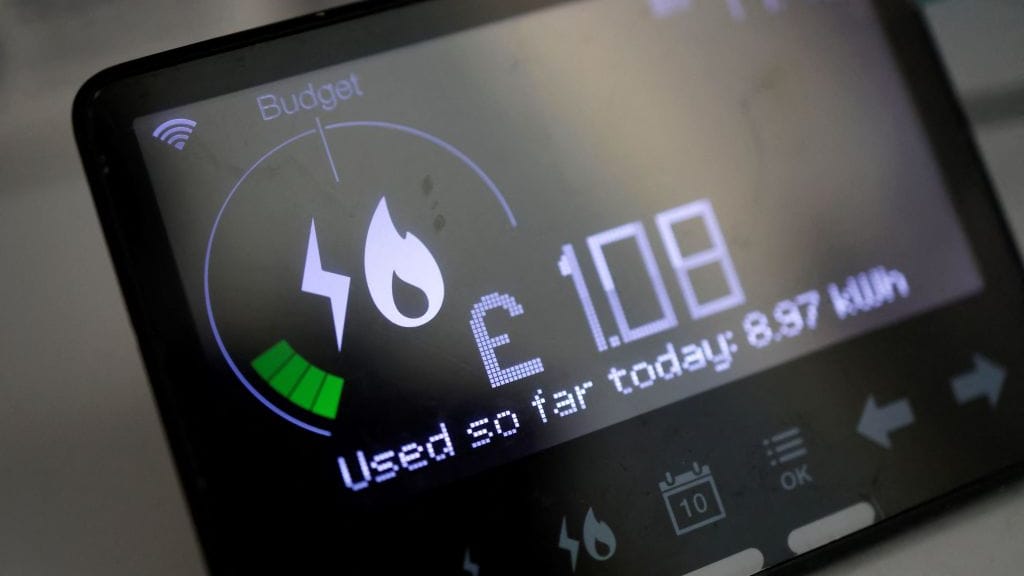
Critics point out that this situation was largely predictable. The government decided to phase out 2G and 3G networks back in 2021, yet in some instances, the installation of meters using this outdated technology continued. This indicates significant planning failures, the consequences of which are now being felt by both the public and the industry.
Is There Any Hope?
Fortunately, not every meter will require replacement. Some models installed in recent years already utilise 4G connectivity. Since there are no current plans to shut down 4G networks in the coming decades, these devices will continue to function without interruption. While this mitigates the scale of a total disaster, upgrading 13 million units remains an unprecedented infrastructure challenge.
For countries like Georgia, which are actively implementing smart metering systems, this serves as an important lesson. When deploying technological solutions, especially long-term infrastructure, the compatibility of connectivity standards and their future development vectors require much greater attention. Otherwise, an innovation intended to reduce costs may instead become an unexpected and expensive burden.