Ukraine Boosts Drone Range Using 240-Year-Old Technology
An Innovative Approach to Air Defence
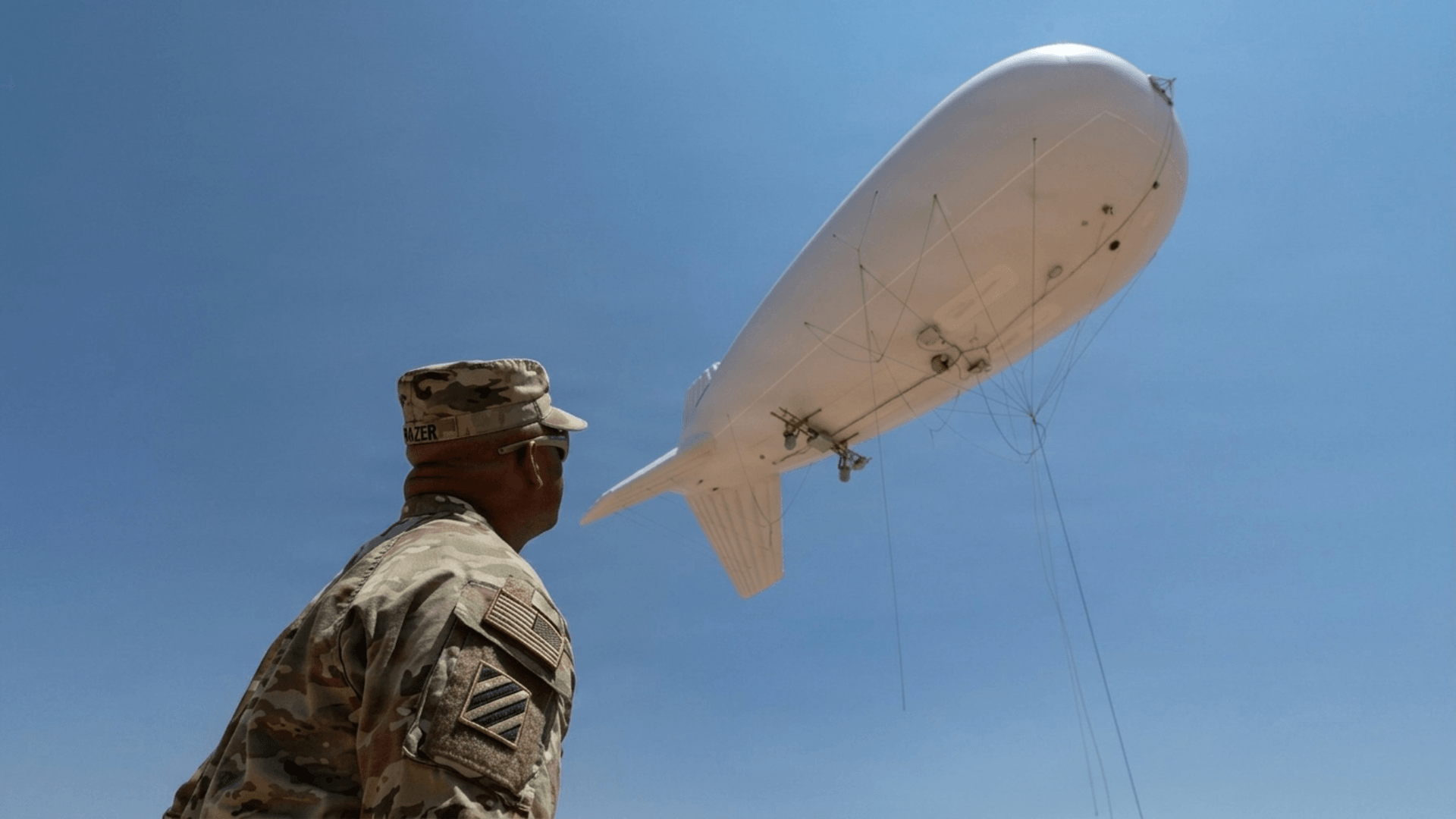
The Mariupol design bureau has developed an unconventional technological solution that combines 240-year-old aerostat technology with modern Mara-type drones. This integrated system, dubbed Balun, allows the unmanned aerial vehicle (UAV) to cover distances exceeding 1,000 kilometres, far surpassing the drone's standard capabilities.
The system's operating principle is simple yet effective: the Mara drone is attached to an aerostat via a special mechanism. The balloon carries the drone to an altitude of over 10 kilometres, where the UAV detaches to begin independent flight. Operating at this altitude protects the drone from small-calibre anti-aircraft guns and low-cost air defence systems, as targeting objects at such heights is both difficult and expensive.
Technical Details and Cost-Efficiency
Once the drone detaches from the aerostat, it travels an additional 60 kilometres independently, bringing the system's total range to 1,060 kilometres. The Balun system is equipped with navigation modules, data transmission systems, and ballast control devices. According to the manufacturer, the total cost of the system is approximately $6,000—an extremely low figure compared to the price of cruise missiles.
For comparison, a Tomahawk cruise missile, which covers a similar distance, costs between $1.3 million and $2.5 million. While the Mara system is not a direct equivalent to a missile, its low production cost makes it strategically attractive. The company has already begun serial production and plans to supply the drones to military units.
Challenges and Realistic Expectations
Despite optimistic claims, experts remain sceptical about the system's effectiveness in real combat conditions. One primary concern is the strong wind at high altitudes, which could push the aerostat off its intended trajectory, leaving the drone unable to reach its target. Furthermore, the drone's flight speed remains unknown, a factor that is critical to its survivability when entering an active air defence zone.
At this stage, the combination of Balun and Mara remains more of a manufacturer's proposal than a proven weapon. However, if the technology successfully passes full-scale combat testing, it could serve as a prime example of how ancient engineering solutions can reshape the rules of modern warfare.