TSMC Denies Reports of Producing 3D DRAM for Nvidia
The chipmaker confirms it will remain focused on its core logic semiconductor business.
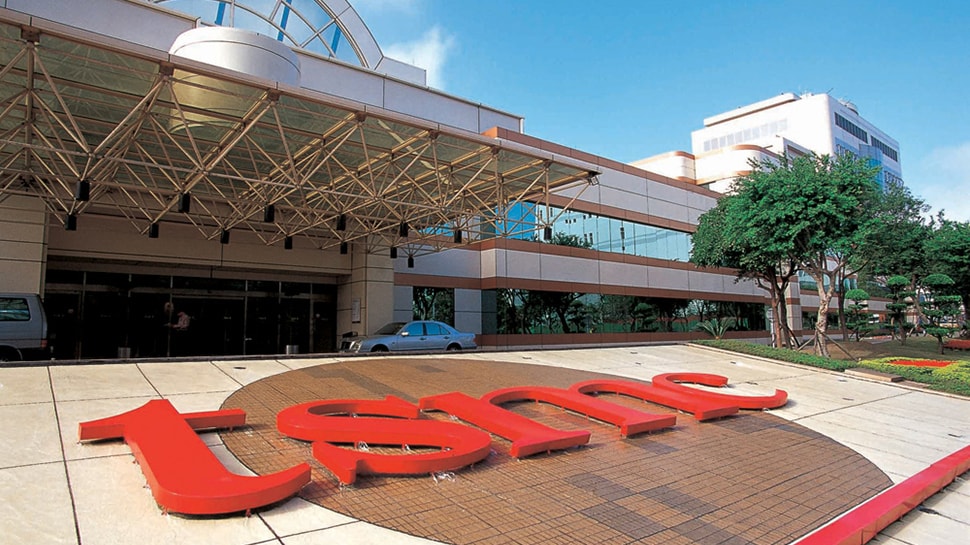
TSMC, the world's largest chip manufacturer, has officially denied recent reports suggesting it was considering producing 3D DRAM memory at the request of Nvidia. The rumors claimed that amid surging demand for artificial intelligence hardware, Nvidia was seeking to resolve memory shortages by leveraging its strategic partnership with the foundry.
TSMC's Position: Logic Chips Only
A spokesperson for TSMC emphasized that the company's mission remains unchanged: to serve as a reliable technology partner for the logic integrated circuit (IC) industry. The company defines itself as a "pure-play" logic foundry, a stance that precludes a large-scale entry into the memory market. Although reports cited TSMC vice president Hsu Kuo-chin, who oversees advanced packaging technologies, the company maintains that its focus remains firmly on its primary business operations.
The Challenges of 3D DRAM Production
3D DRAM technology, which involves the vertical stacking of memory cells, differs significantly from the manufacturing processes used for traditional logic chips. Despite its leadership in chip design and production, TSMC lacks the specific expertise and infrastructure required for memory fabrication. Launching such a project would necessitate billions of dollars in investment and years of research, as the 3D DRAM process is exceptionally complex and requires minimizing defects across multi-layered structures.
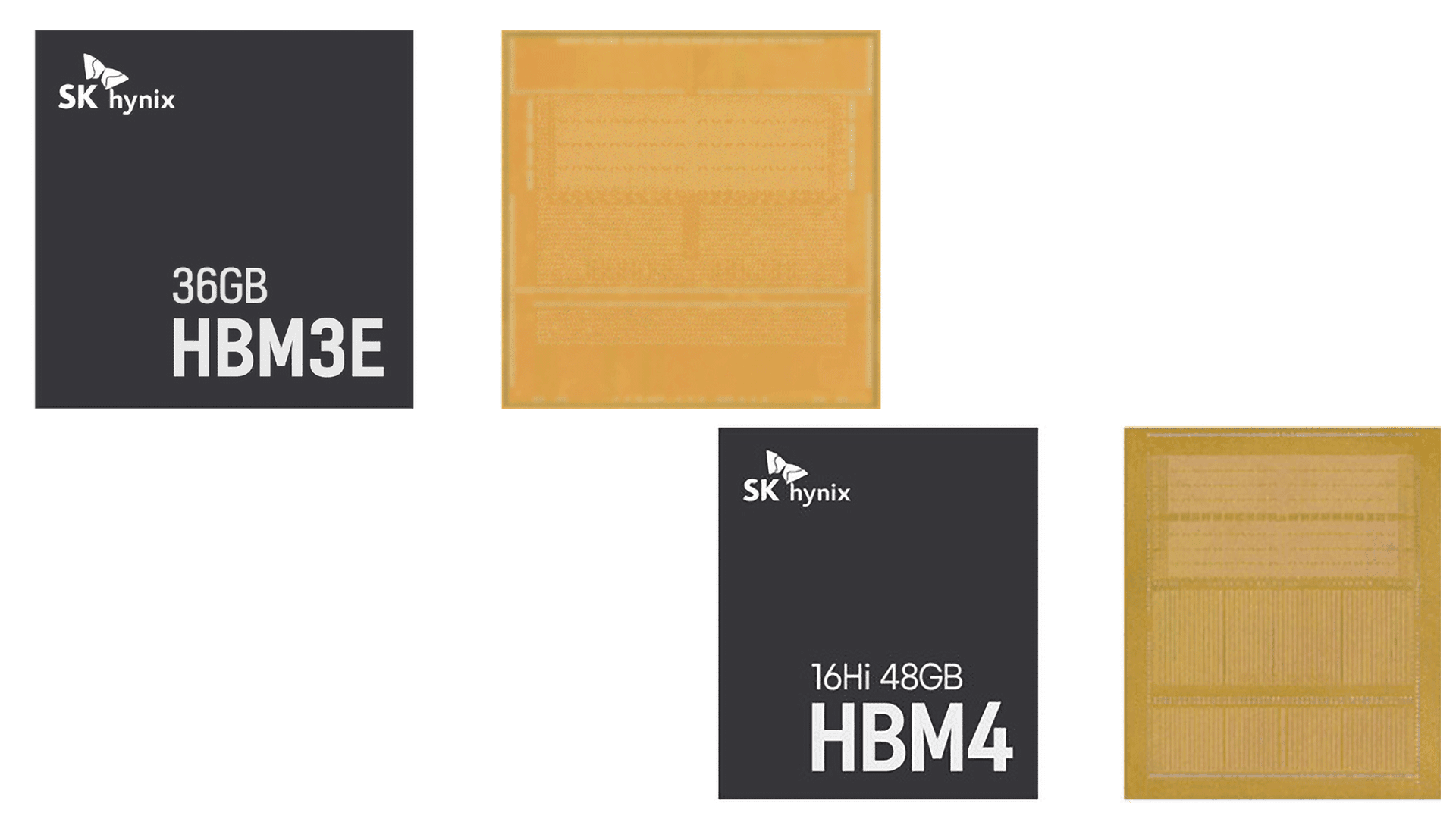
Beyond technical hurdles, the DRAM market is inherently cyclical, often shifting from shortages to oversupply, which would introduce undesirable financial risks for TSMC. Furthermore, entering this space could complicate relationships with existing partners like SK Hynix, with whom TSMC already collaborates on the development of High Bandwidth Memory (HBM) technologies.
The Path Forward for TSMC
Industry experts suggest that TSMC does not need to become a direct memory manufacturer to increase its share of the AI market. Instead, the company can continue to strengthen its position through advanced packaging technologies, such as SoIC hybrid bonding. This allows TSMC to integrate processors and memory modules into a unified system, maintaining a vital role in the memory market's value chain.
For the tech sector, this development underscores the strict specialization maintained by major chip manufacturers. Despite the intense hype surrounding AI, global players are exercising caution to avoid disrupting the delicate ecosystem upon which the modern technological world relies.