Trump Mobile T1: What is Really Behind the 'American' Smartphone?
Technical Identity: More Than Just a Resemblance
The hype surrounding the Trump Mobile T1 has entered a new phase. Popular tech blogger JerryRigEverything, known for his rigorous durability tests, disassembled the device to examine its internals. The results confirmed what the tech community had long suspected: the Trump Mobile T1 is not an independently developed American product, but rather a nearly identical copy of the Taiwanese company HTC's 2024 model, the HTC U24 Pro.
Research showed that the internal construction of both smartphones, including the number and placement of screws, is practically identical. During the experiment, specialists successfully swapped the motherboards between the Trump Mobile T1 and the HTC U24 Pro. In both cases, the devices continued to function perfectly. This fact finally shatters the myth regarding the device's 'American origin.'
Design and Durability: What Has Changed?
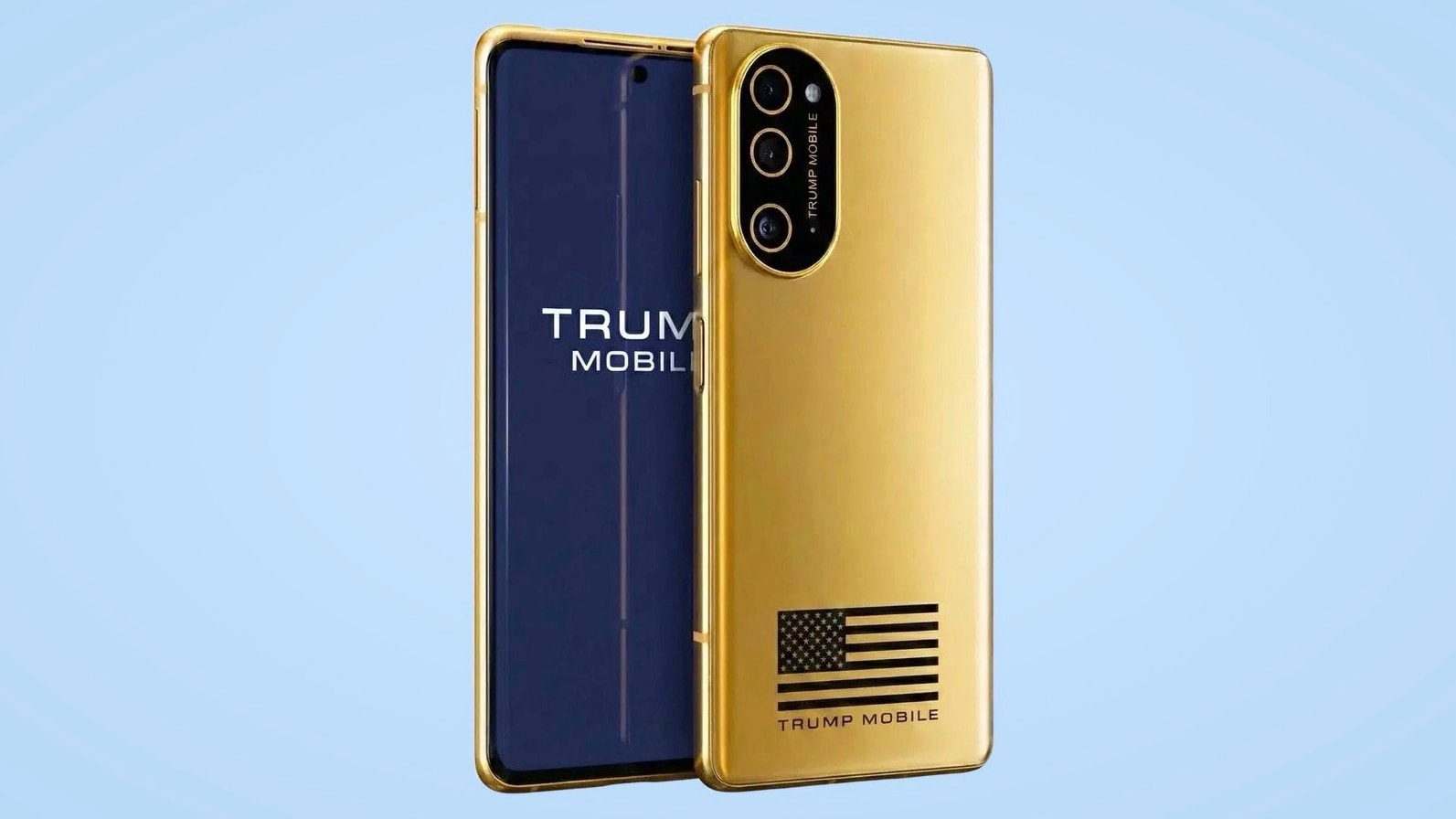
Although the internal components are identical, the Trump Mobile T1 has undergone some visual changes. The device features a gold-toned finish and a modified camera module design. However, the smartphone's dimensions and physical parameters remain unchanged, confirming that these are merely cosmetic adjustments.
The positive side is that thanks to HTC's high-quality engineering, the Trump Mobile T1 proved to be durable. The device successfully passed JerryRigEverything's tests, including scratch resistance and structural rigidity tests. It also meets standard requirements for water resistance. Consequently, anyone choosing to purchase this device will receive a fairly durable phone, though its reliability is due to Taiwanese engineers rather than American manufacturing.
What Does This Mean for the Consumer?
Rebranding, where the same manufacturer's device is sold under different names, is common in the smartphone market. However, in the case of the Trump Mobile T1, the issue lies more in its political and marketing messaging. The smartphone, marketed as an 'American product,' is actually based on Asian technology.
For consumers, this serves as a reminder that when evaluating technical specifications, it is always worth looking into the details rather than relying solely on brand names or marketing campaigns. While devices like the Trump Mobile T1 are not widely available in Georgia, such cases clearly demonstrate how companies utilize global supply chains for their own purposes. Ultimately, the consumer receives HTC technology, albeit in different packaging and with significantly higher expectations.