Tripwire Interactive Lays Off 36 Employees
The studio behind Killing Floor is undergoing a major restructuring.
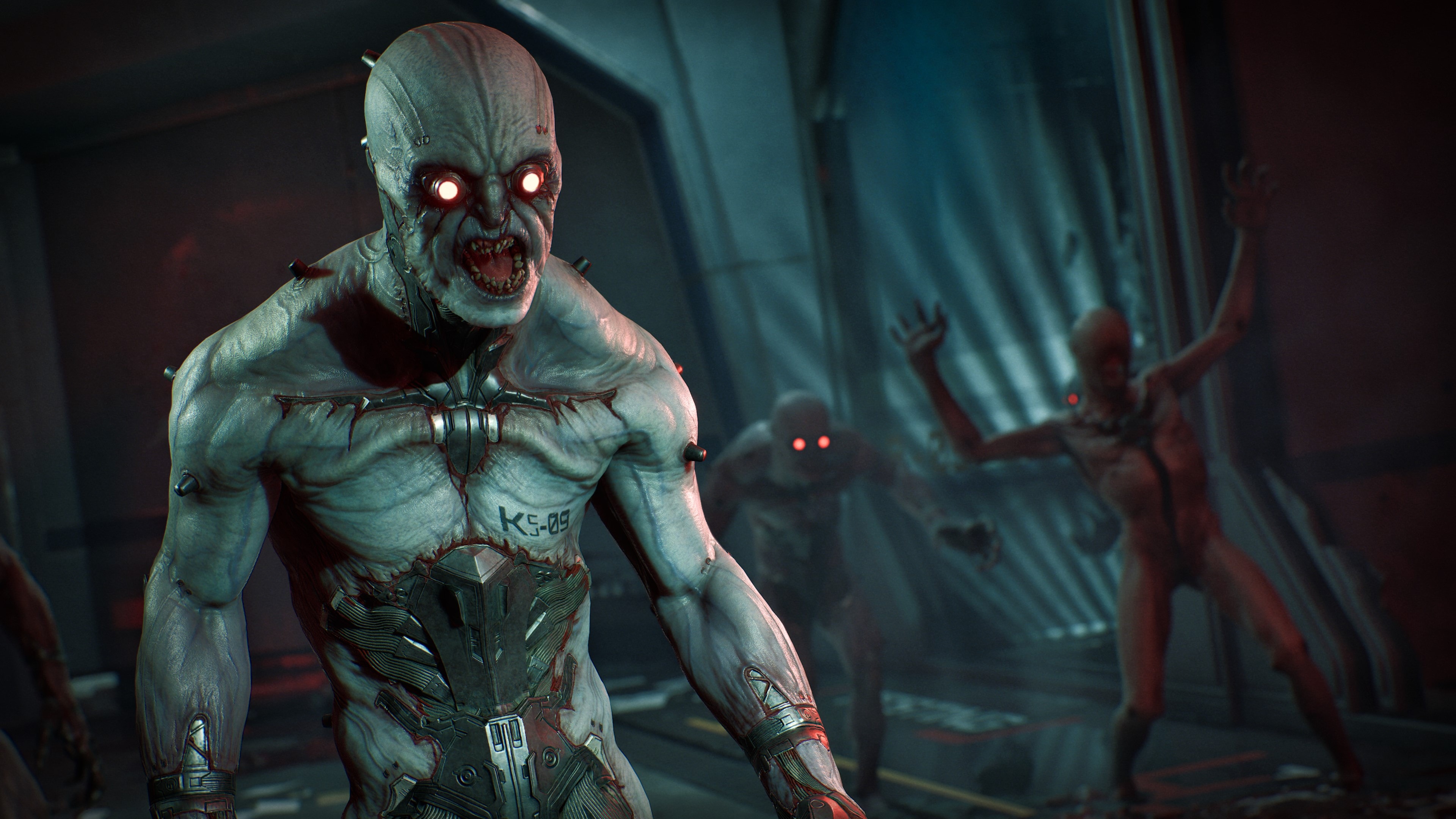
Tripwire Interactive, the studio best known for the Killing Floor series, is facing a difficult period. The company has officially confirmed the layoff of 36 employees. Management stated that while the decision was extremely difficult, it was necessary for the organization's continued operation. Reports indicate that those leaving represent nearly half of the studio's total staff, leaving the company with only 40 to 50 employees.
Changes Amid Expansion
Interestingly, these cuts are occurring in parallel with the company's strategic expansion. Just one week prior, Tripwire publicly announced the expansion of its publishing arm, Tripwire Presents. Under the new initiative, the studio offers support and services to small independent developers to bring their games to market. Despite these ambitious plans, the internal reorganization has significantly altered the company's operational structure.
What Happens to Current Projects?
Studio management insists that despite the reductions, they will continue working on all active projects. This includes Maneater 2, which was announced in September of this year, and Killing Floor 3, set for release in 2025. The company promises to continue supporting players and maintaining its commitment to its gaming community.

However, the future of these projects remains uncertain. Killing Floor 3, the latest in the series, has failed to meet expectations. On Steam, the game currently holds a "mixed" rating, and the number of active players is significantly lower than the popularity of the second installment released in 2016. The studio is struggling to replicate the success of the first game, which industry experts believe is a key factor in the financial difficulties that ultimately led to mass layoffs.
What This Means for the Gaming Industry
Trends in the gaming sector indicate that studios are increasingly looking to optimize costs and reallocate resources. The Tripwire example confirms once again that even when a company attempts to strengthen its market position and introduce new services, the failure of internal products can deal a serious blow to team stability. For players who actively follow the development of the modern gaming industry, this event serves as another warning of how unpredictable the game development process can be and how market reactions impact the internal structures of studios.