TP-Link Unveils the Archer 8 Ultra, the First Wi-Fi 8 Router
TP-Link is pushing the boundaries of connectivity with its latest flagship router, setting the stage for the next generation of wireless standards.
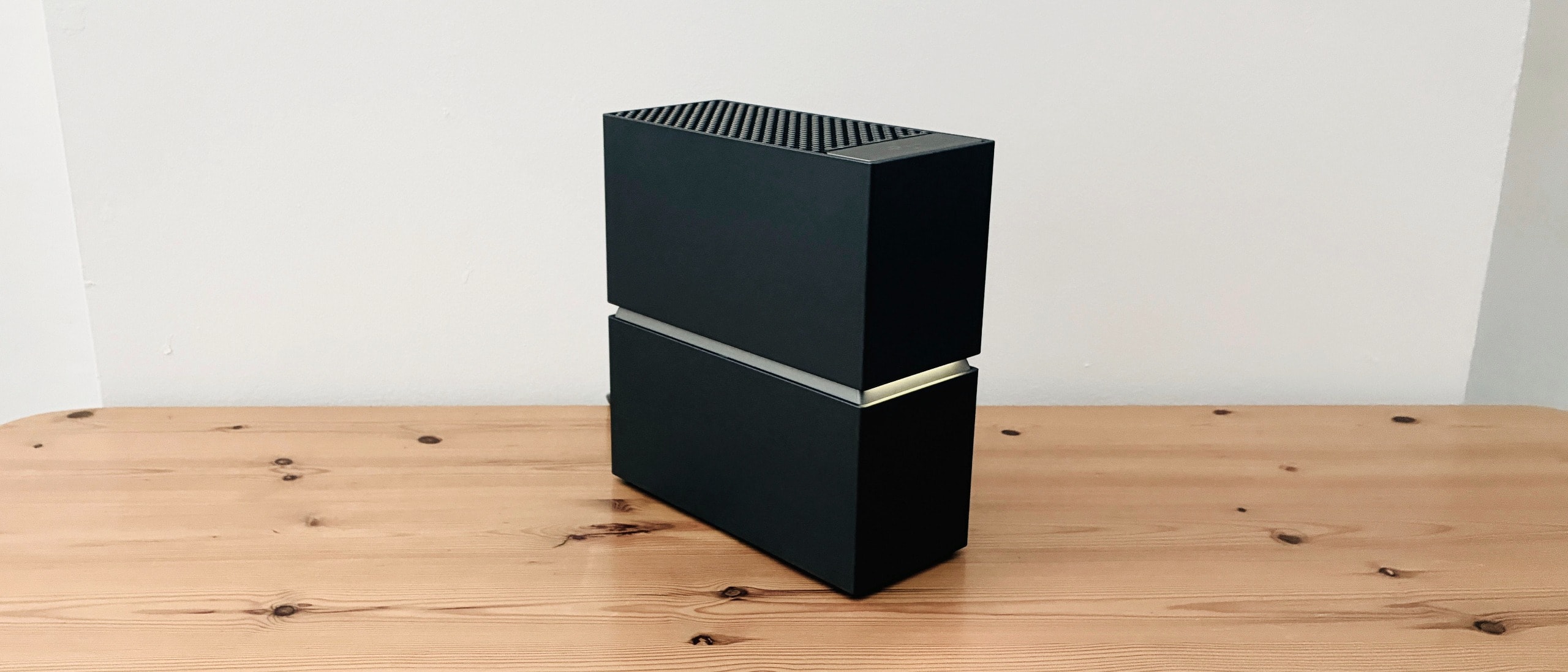
While the Wi-Fi 7 standard is still in the early stages of widespread adoption, TP-Link has made a significant technological jump by announcing the Archer 8 Ultra, the world's first Wi-Fi 8 router. The device is scheduled for release on November 15, 2026, and serves as a practical implementation of next-generation standards, even though full technical specifications are not expected to be officially finalized until 2028.## What is the main innovation of Wi-Fi 8?The primary focus of Wi-Fi 8 is not just raw speed, but signal reliability and expanded coverage. The Archer 8 Ultra is equipped with 18 internal antennas, allowing it to provide a stable connection across an area of approximately 335 square metres. The device utilizes advanced technologies such as MAPC (Multi-Access Point Coordination) and ELR (Enhanced Long Range), making it suitable for large homes, office spaces, and public venues where hundreds of devices may be connected simultaneously.Although the router offers a potential speed of 19Gbps, it remains backwards-compatible with Wi-Fi 7 devices. This means users can continue to use their current smartphones and laptops, though the full potential of Wi-Fi 8 will only be realized with future hardware.## Design and Technical SpecificationsThe Archer 8 Ultra features a substantial design, resembling a 245mm tall black obelisk. Its port configuration is impressive, offering two 10Gbps ports for high-speed fibre-optic internet, along with four 2.5Gbps ports and one 1Gbps port. Built on a Broadcom processor, the system is managed via the TP-Link Tether app, which provides a user-friendly interface and quick connectivity via QR code.## Is it worth buying?At this stage, the Archer 8 Ultra serves more as a demonstration of the technological future than a necessary purchase for the average user. With a price tag expected to be around $1,200 at launch, it costs twice as much as high-end Wi-Fi 7 routers. According to the manufacturer, the device is aimed at enthusiasts, large households, or the business sector, where connection stability under heavy load is critical.As internet services continue to evolve, such technology will play a vital role in the seamless operation of smart home systems. However, in the current reality, until Wi-Fi 8-compatible gadgets become mainstream, existing Wi-Fi 7 models remain the optimal choice.