TP-Link Shifts Production to the US as Wi-Fi 8 Era Begins
The company is partnering with Key Tronic to meet new US regulatory requirements and launch next-generation hardware.
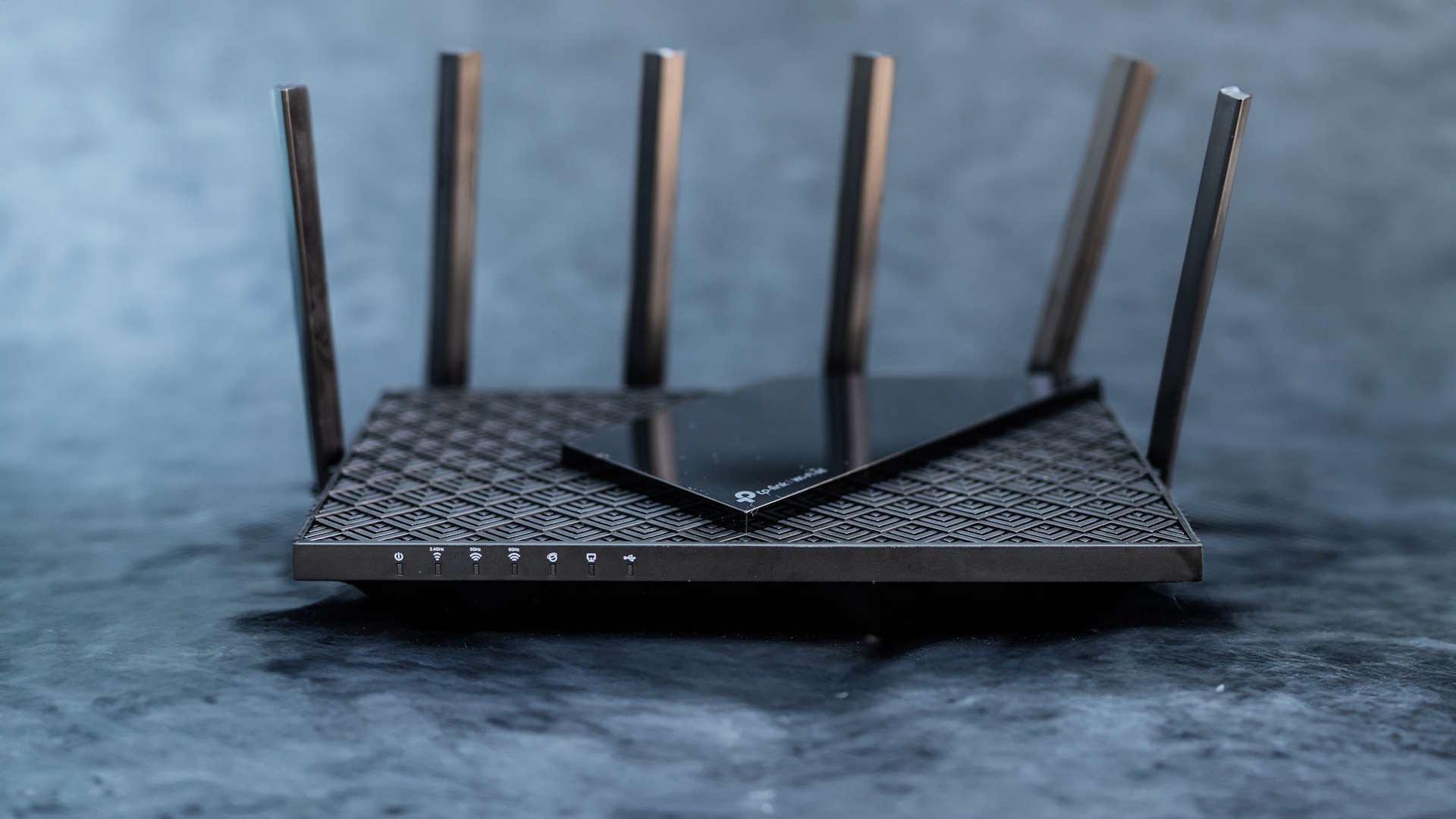
Chinese networking equipment manufacturer TP-Link is making a strategic move by relocating part of its production to the United States. The company has officially signed a letter of intent with electronics manufacturer Key Tronic to begin assembling routers in Mississippi. This decision is directly linked to new regulations from the U.S. Federal Communications Commission (FCC), which require special permits for network devices manufactured abroad.## Security and Technological AdvancementTP-Link CEO Jeffrey Chao stated that this move highlights the company's commitment to developing an advanced manufacturing base in the US. The company plans for America to become its primary platform for delivering secure and reliable connectivity solutions for both private consumers and the business sector. Key Tronic CEO Brett Larsen noted that their experience in manufacturing high-reliability electronics will be crucial in the implementation of Wi-Fi 8 technologies.The primary focus of Wi-Fi 8 is not merely on increasing speed, but on connection stability, reducing latency, and minimizing interference. This technology makes network environments significantly more efficient, which is critical for modern smart homes and offices. The new production line is scheduled to be operational by early 2027.## Why Is This Important?Restrictions imposed by the US government on foreign-made routers are primarily driven by national security interests. There are concerns that compromised technology embedded in network infrastructure could pose cybersecurity threats. However, this move is also part of a large-scale US strategy aimed at on-shoring technology manufacturing.A similar trend has been observed in other sectors recently, such as the multibillion-dollar investments by TSMC in US chip production. TP-Link's decision confirms that global technology companies are being forced to adapt to new geopolitical and economic realities to maintain access to the American market.For international consumers, this shift in the geography of production by tech giants influences both product security standards and supply chains. The adoption of the Wi-Fi 8 standard is expected to introduce a new generation of network devices to the global market in the coming years, making internet access more stable.