Toyota Electric Crossovers to Join Waymo’s Robotaxi Fleet
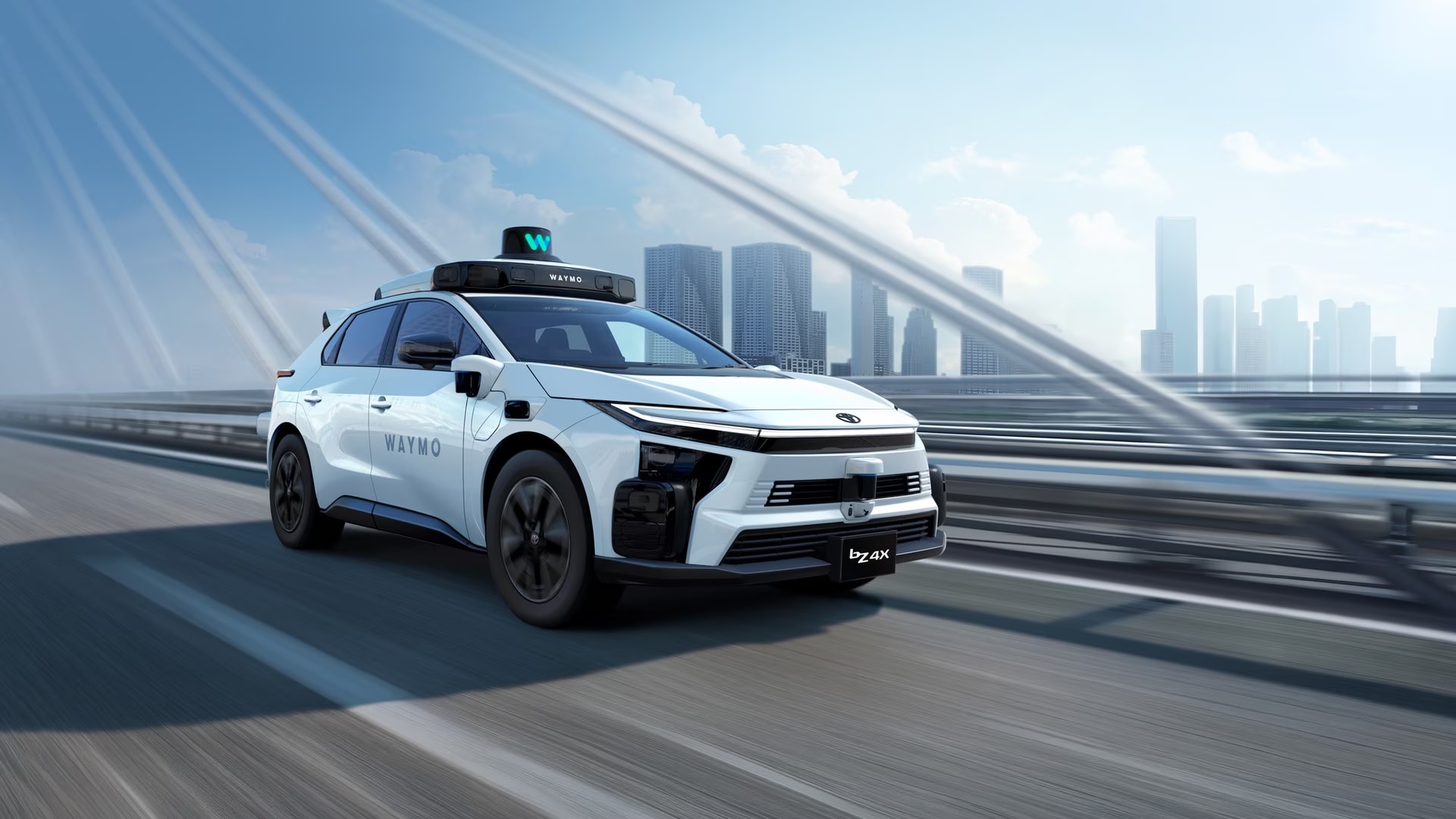
Autonomous transport leader Waymo and automotive giant Toyota are expanding their strategic partnership. Starting in 2027, special versions of Toyota electric crossovers equipped with fully autonomous driving systems will hit the market, operating as robotaxis. This move marks a significant step for Waymo as it seeks to scale its fleet across various regions.
Production and Technical Details
The vehicles will be manufactured at Toyota’s Takaoka plant in the Aichi Prefecture, Japan. These robotaxis will be built on the same production line as standard bZ series models (known as the bZ4X in Japan). The Waymo-developed autonomous hardware will be integrated directly at the factory, enabling the vehicles to navigate independently.
Beyond driving systems, the cars will feature amenities designed for passenger comfort, including automatic doors and an electronic trunk, streamlining the taxi experience. While the companies have not disclosed specific production numbers, the project is described as large-scale.
Geographical Expansion and Markets
Waymo co-CEO Dmitri Dolgov stated that the partnership will initially focus on countries with left-hand traffic. Testing will begin in Japan in 2027, with the United Kingdom to follow. While no specific timelines for other countries were provided, strengthening its position in international markets remains a priority for Waymo.
Waymo is already conducting tests in Tokyo, though safety drivers are currently present in the vehicles. Meanwhile, the process of obtaining permits to operate in London is underway. This collaboration with Toyota will allow the company to accelerate fleet growth, as Waymo has previously relied on modifying Jaguar and Zeekr vehicles in its own facilities.
Competition and Future Outlook
Competition in the robotaxi sector is intensifying. In the Japanese market, companies including Uber, Wayve, and Nissan are also planning pilot projects. Simultaneously, Waymo is actively working in North America, with plans to enter Toronto by 2028.
For readers in Georgia, where the automotive market is evolving rapidly and interest in technological innovation is high, these global trends are significant. Although autonomous taxi services are still in the development phase, the involvement of giants like Toyota signals that we will see a new type of transport ecosystem take shape in cities around the world in the coming years.