Time Travel: Why a YouTuber Built a 1996 PC
An enthusiast recreates a classic 90s machine to escape the complexities of modern computing.
In today’s tech landscape, where artificial intelligence is everywhere and acquiring new hardware is increasingly complex, many users are feeling burnt out. This trend has not escaped tech bloggers, including the YouTuber known as TrashBench, who decided to escape modern complications by turning to 1996 technology. His goal was to build an exact replica of the computer his parents bought him decades ago, specifically to play the iconic game, The Need for Speed: Special Edition.
Technical Challenges from the 90s
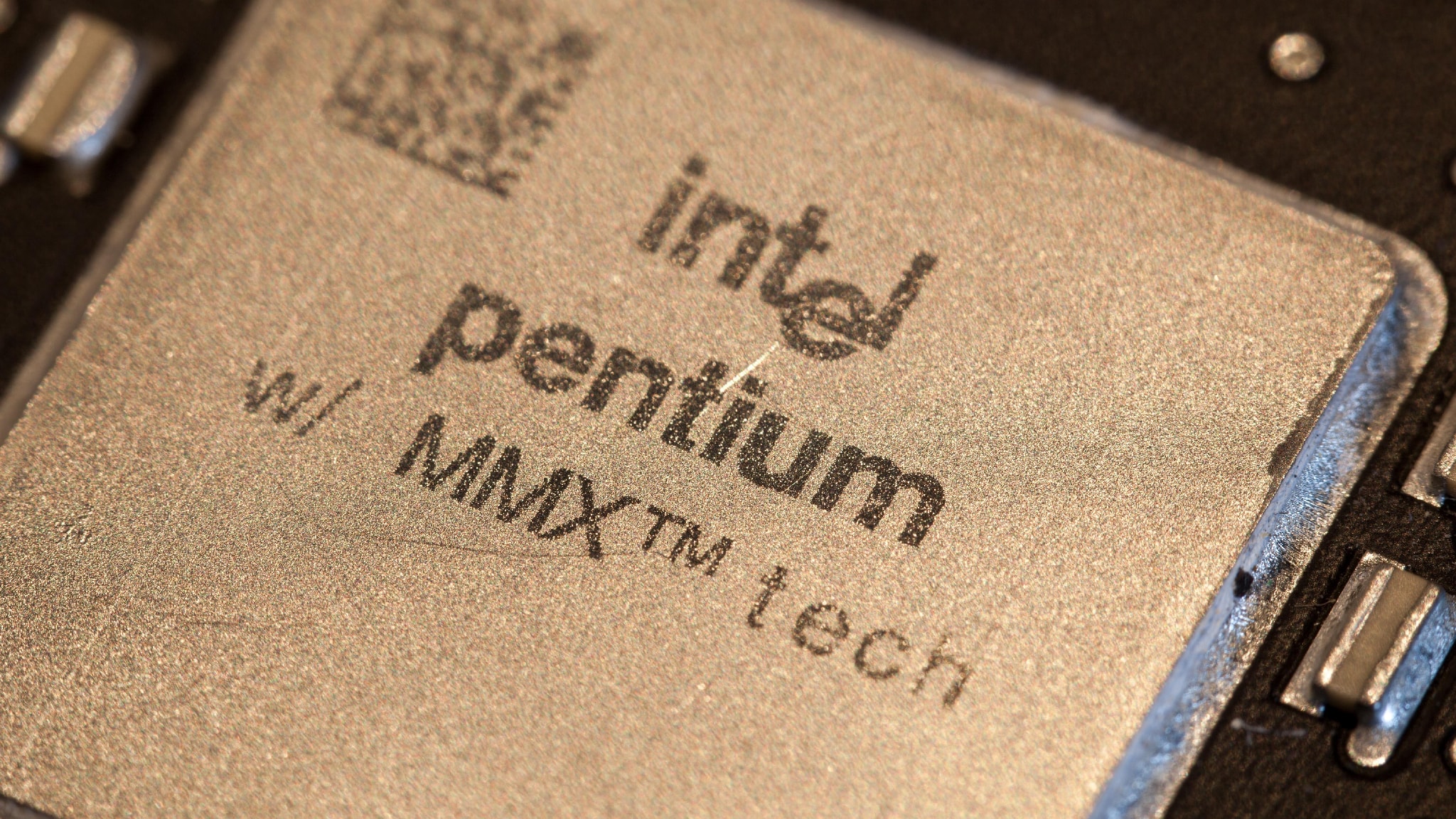
Building the PC was no simple task, as devices from that era required a completely different approach. At its heart lies an Intel Pentium MMX 200 MHz processor, mounted on an Epox motherboard. Computer technology at the time was in a transitional phase, which is evident in the motherboard's RAM slots—a mix of both older SIMM and more modern DIMM modules. The blogger used 32 MB of RAM, which was a significant figure for 1996.
One of the most difficult parts was correctly configuring the motherboard jumpers. Computers back then lacked automatic detection features, meaning an incorrect configuration could potentially burn out the processor. Cooling was minimal; a 40mm fan was sufficient, though the blogger recalls that these components became quite noisy during intensive operation.
The Dawn of 3D Graphics and Memory Limits
The choice of graphics card reflected the reality of the time: the initially used S3 Trio32 had no 3D rendering capabilities at all. He later replaced it with a Matrox Mystique 3D, which was a real luxury for the period. The storage device was equally interesting: a 2 GB Western Digital Caviar hard drive, which made as much noise as a drill while running.
Interestingly, due to the BIOS limitations of that era, installing a larger drive was impossible. Specific settings had to be configured for the system to recognize the memory limits. The build was completed with a legendary Sound Blaster 16 sound card and a CD-ROM drive, creating a perfect retro experience.
Why This Matters
TrashBench’s experiment is more than just nostalgia. It serves as a reminder of how far technology has advanced and how much the processes have been simplified. Even though our smartphones today are thousands of times more powerful than the best computers of the 90s, the restoration of old hardware by enthusiasts shows that the roots of the computer industry still hold great interest. For readers in Georgia, many of whom had similar devices as their first computers, this story is a genuine trip back in time.