The US Navy to Install a Portable Nuclear Reactor
The 1-megawatt 'Kaleidos' microreactor aims to provide backup power for critical military infrastructure.
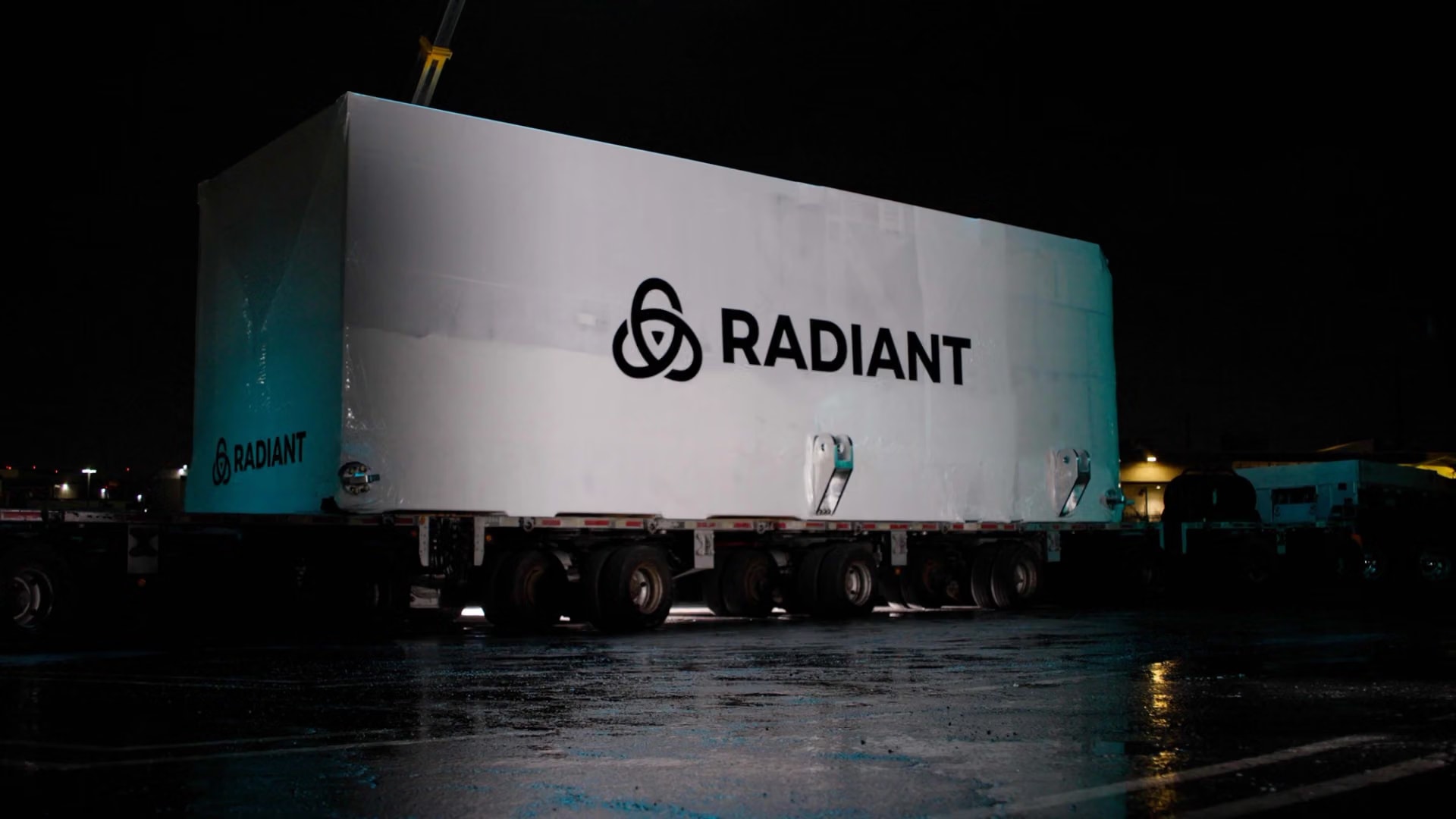
The US Navy has decided to strengthen the energy security of its infrastructure through an innovative approach. The agency has selected the "Kaleidos" microreactor, developed by Radiant Industries, which combines portability with high efficiency. The project aims to ensure the continuous operation of critical systems at the Naval Weapons Station Crane in Indiana, even if the primary power grid fails.## Technology That MovesThe Radiant "Kaleidos" is a factory-assembled, helium-cooled reactor that generates 1 megawatt of electricity. Its primary advantage is transportability: the unit can be moved by truck, ship, or air. It does not require complex engineering or large water reservoirs for cooling, which are characteristic of traditional nuclear power plants.The reactor uses TRISO fuel and, according to the company, can operate for up to five years on a single charge. Radiant has taken responsibility for fuel supply and radioactive waste management, meaning long-term on-site waste storage will not be necessary. Under a special US Army program, radioactive materials must be removed from the site within two years of the unit's decommissioning.## Why Is This Important?Naval Weapons Station Crane is no ordinary military facility. It integrates research and development centres for weaponry, electromagnetic warfare units, and ammunition production lines. Brendan Rodgers, a senior Navy official, noted that such an autonomous power source would protect critical military systems from "blackouts."However, the project has not been without criticism. Some experts and anti-nuclear organisations have expressed concerns that transporting reactors loaded with radioactive fuel via public roads carries certain risks. Furthermore, the "Kaleidos" has not yet been fully tested in real-world conditions, making upcoming trials at the Idaho National Laboratory crucial in determining the viability of the plan.## Historical Context and the FutureThe US military has attempted to use nuclear energy on land in the past. In the 1960s, a portable PM-3A reactor operated at McMurdo Station in Antarctica, but it was eventually shut down due to technical problems and environmental risks. Today's project is being planned with these lessons in mind, adhering to strict safety standards.The Pentagon aims to have the prototype operational by September 2028. While the reactor is not intended to replace the base's entire power supply, its implementation is a significant step toward energy independence in the US defence sector. This development serves as an interesting example of technological progress that could eventually be applied to broader, civilian purposes in remote regions where power grids are unstable.